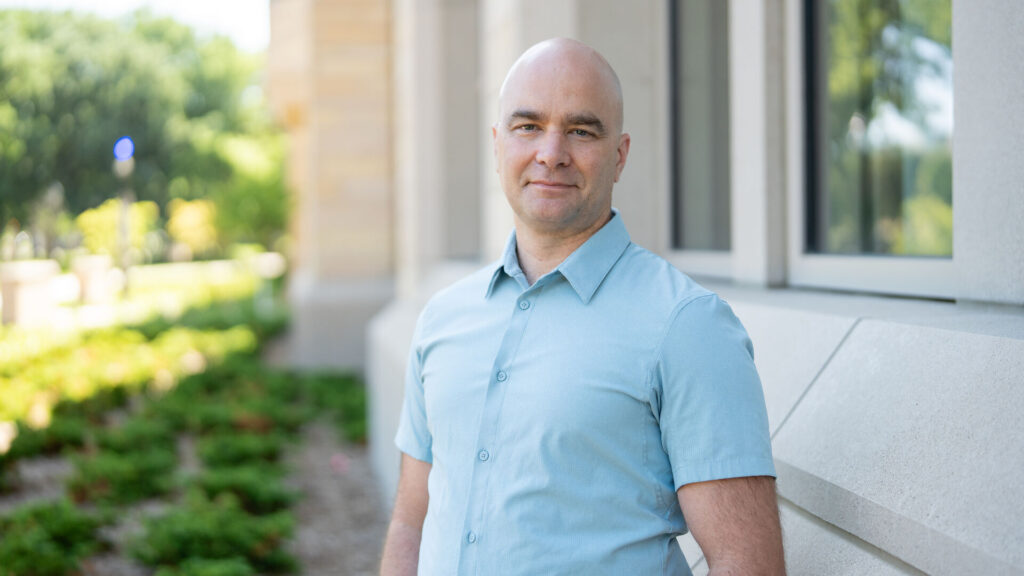
Melinda Mattox, director of security operations at the University of St. Thomas, spoke with FOX 9 about how artificial intelligence is changing cybersecurity threats and making scams and cyberattacks more sophisticated. Mattox shared steps people can take to protect themselves, including using multifactor authentication, passkeys and password managers and keeping track of where their personal data is stored.

From the conversation:
Lauren Andrego: We’ve talked about cyberattacks, we’ve talked about scams. That’s not necessarily new, but what role is AI playing in some of these attacks now that is maybe different?
Melinda Mattox: AI is able to not only increase the number of attacks. So just this year alone, we’ve seen an 89% increase in AI-assisted attacks, but it also makes those attacks more efficient. Once an attacker gets through the network initially, it might take 30 minutes for a hacker to do something that it would take agentic AI 30 seconds to do. So, it’s coming at us fast and furiously.
Shayne Wells: And then when it comes to staying on top of that for not only companies but us, it almost feels kind of impossible.
Mattox: It can be pretty overwhelming. The good news is there are some technologies out there and some practices that can help, and a lot of those practices haven’t changed yet. One of the things you can do is secure your identity, and that doesn’t just mean having a super long password and changing it up anymore. That’s the bare minimum, or at least it has been for a long time. But now we’re looking at things like multifactor authentication, or MFA, and a lot of people will grumble about it, but it really is now the standard for getting into your account, setting up MFA.
Andrego: Obviously, if all of a sudden your bank account is drained, or you get an email demanding a ransom, it is very obvious that something happened. But are there little red flags that you should be monitoring that maybe alert you ahead of time that something is going on?
Mattox: Yes, anything unusual that you might get. Even before something happens, pay attention to your email and your text messages. Question them, because now AI can create even more convincing scams. They’ve even gotten to the point where they will have AI bot callers, so you might get a phone call from an AI bot and not know it. So those are things to be aware of.