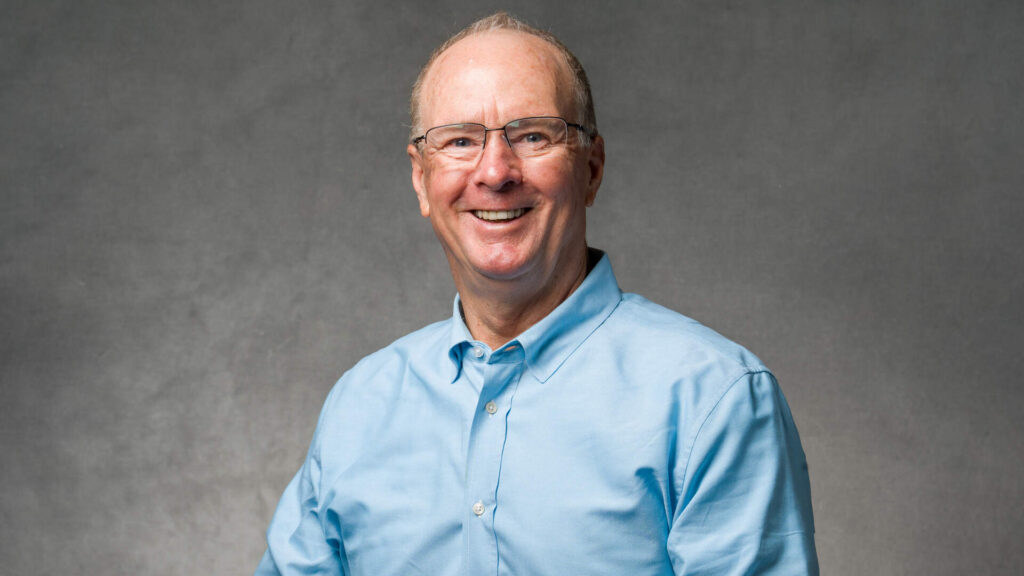
Virgil Wiebe, professor at the University of St. Thomas School of Law, spoke with WCCO Radio about how recent election results could affect immigration enforcement, ongoing deportation cases and potential changes to immigration policy.

From the conversation:
Vineeta Sawkar: What does a blue wave across the state, across the nation, mean for immigration cases that are underway right now, that are still being resolved, and future ones? Joining us now on the John Schuster Coldwell Banker Hotline is Professor of Law at the University of St. Thomas School of Law, Professor Virgil Wiebe. Good morning, professor. Thanks so much for joining us. You join us occasionally to talk about immigration cases. Tell me what your perspective is. You deal with this on a day-in and day-out basis. You teach it. What could this mean for some of the immigration cases that are going on right now, and ones still yet to come, ones that are not resolved yet?
Wiebe: I’m not sure there’ll be a big difference in cases going on right now. The mass deportation flywheel is spinning, and slowing it down is difficult to do. Attorneys are trying to do that every day on behalf of their clients. The president on Sunday night said he might be willing to work out a deal with Democrats on immigration. Hopefully, something could come out of that. At the state level, there is legislation that was introduced last year. It will be reintroduced again this session to protect immigrants, and with a trifecta, those measures have a much better chance of being enacted.
Sawkar: So, as the results were coming in, and a lot of people went to the voting booth with the vision of Operation Metro Surge in their minds, and some of the immigration crackdowns across the country. And President Trump even talked about on “60 Minutes” about the fact that maybe some of that enforcement was too much. Do you think with this new Congress and moving forward, there could be some big changes?
Wiebe: I think that depends entirely on pressure. The president does respond to pressure, and after that interview with “60 Minutes” on Sunday night, he got a huge pushback and then kind of walked the statement back the next day. It was interesting. He said, ‘There’s no amnesty, no anything. We keep them.’ It was ambiguous. He was sort of speaking present tense, not ruling out future tense. But the reaction from the right was so strong, he walked things back.