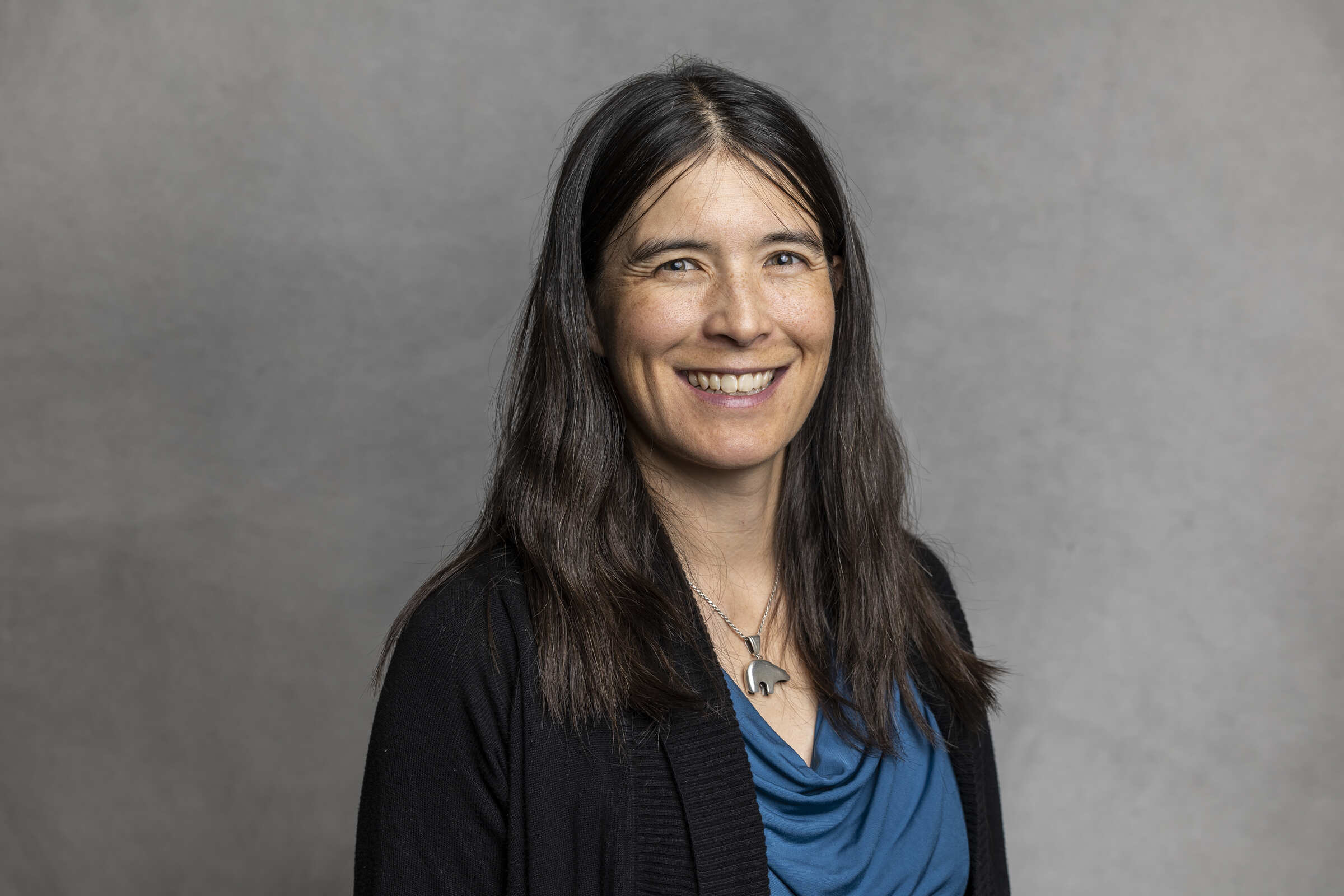
Dr. Ali Ling, assistant professor of civil engineering and water expert at the University of St. Thomas, has published findings on the regulation of forever chemicals in water supplies across Europe in Nature Water.
Per- and polyfluoroalkyls substances, or PFAS, include substances such as PFOS, PFOA, and TFA and accumulate in our environment and water supplies. Some of these chemicals can affect health at certain concentrations, but all pose an existential threat of irreversible environmental accumulation. Over the last five years, countries all over the world have been developing models for guidance and regulations on how much PFAS is acceptable in drinking water.
Not all countries develop these regulations with the same regulatory priorities and risk assessments, she said. Ling references a previous analysis of four European Union countries with different approaches to setting PFAS limits in drinking water: Denmark, The Netherlands, Germany, and Sweden.
Ling expands the study from four countries to other EU countries as well as western countries, such as the United States and Australia. She finds that many countries regulate with a 'total PFAS' number when measuring water samples, however, there remains no actual method to measure total PFAS.
She concludes her findings with a new approach to regulations: combing source control with risk-based prioritization across drinking water priorities. Ling suggests that instead of prioritizing the same contaminants everywhere, there should be a shift to a localized approach that maintains infrastructure and targets containments that most impact health in each geographical area.