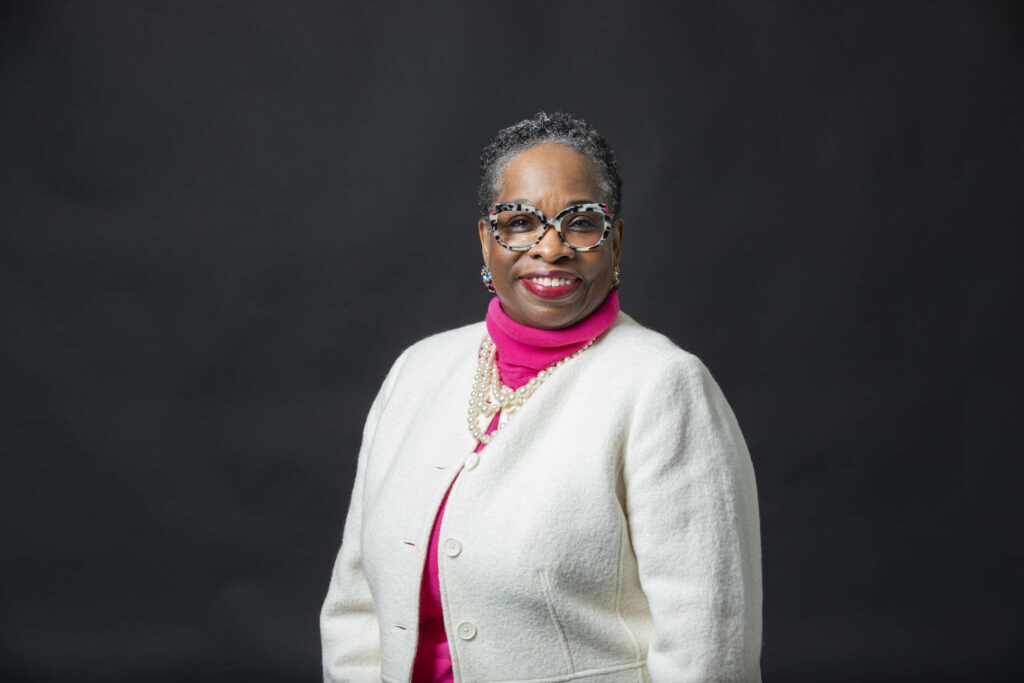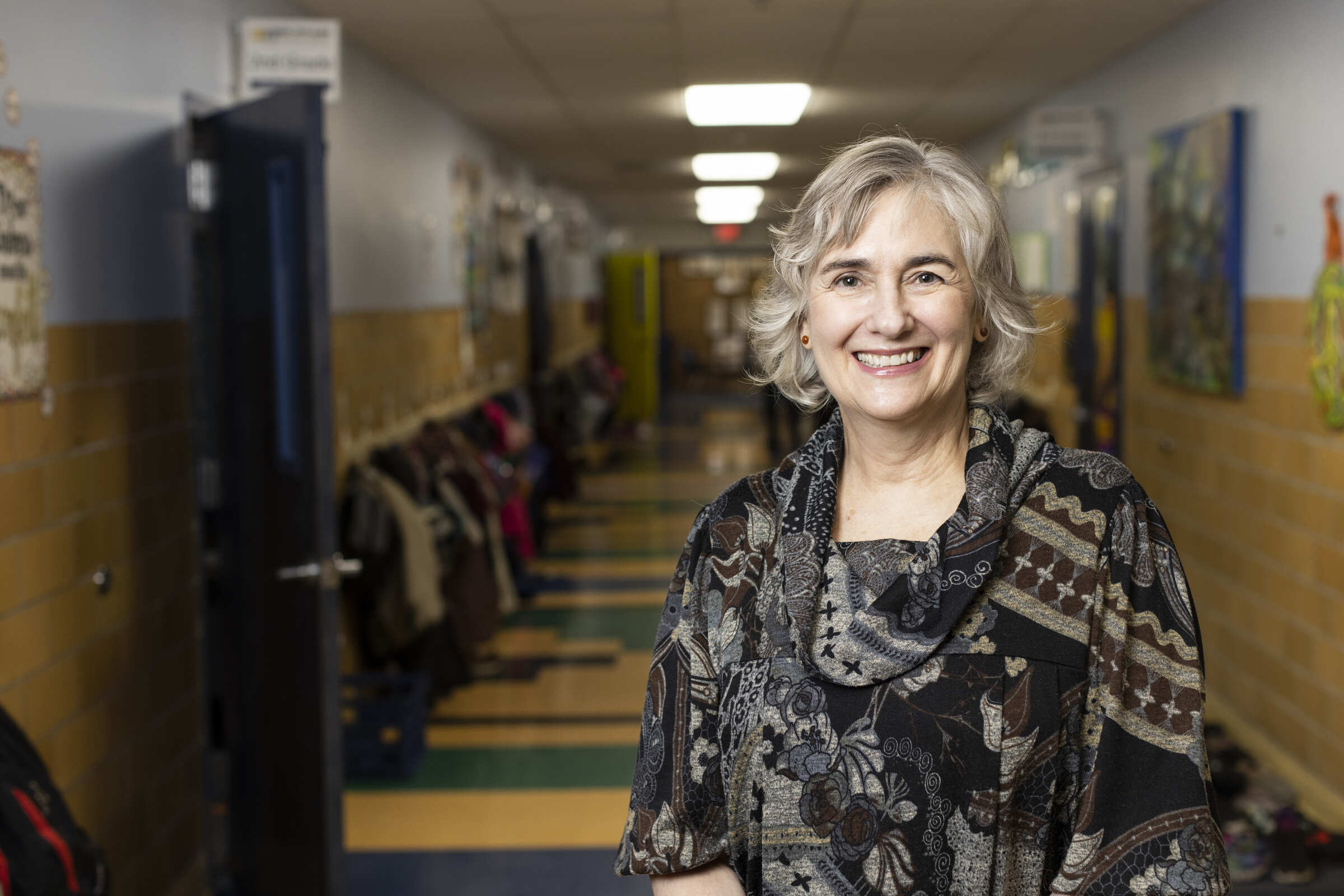
Elizabeth Schiltz, a professor at the University of St. Thomas School of Law, wrote an opinion piece for the Minnesota Star Tribune examining the debate over legalizing medical aid in dying ahead of the 2027 legislative session. Drawing on her personal experiences and scholarship in disability law, Schiltz emphasized the importance of protecting human dignity and expanding access to care for people living with disabilities and serious illnesses.

From the op-ed:
When I learned that my third child would be born with Down syndrome, I called my mother. She knew better than most what lay ahead. My older brother, Jim, had an intellectual disability, and my parents had raised him at home despite advice from professionals who believed he belonged in an institution.
My mother’s response surprised me. “Oh, Lisa! You’re going to meet such wonderful people!”
She was right. Raising my son, Peter, has introduced me to extraordinary people who have helped our family navigate the challenges of living with a disability. It has also taught me something about human dignity that I believe is missing from Minnesota’s debate over physician-assisted suicide.
We tend to associate dignity with independence. We admire people who can make their own decisions, care for themselves and control the direction of their lives. But what happens when illness, disability or age takes those abilities away? Does a person become less worthy of our care?
I confronted that question again as my mother struggled with Parkinson’s disease during the final years of her life. My mother was intelligent, adventurous and fiercely independent. She loved reading, cooking and traveling. Parkinson’s gradually took away her ability to do those things. Eventually she struggled to speak, eat and walk.
Most of her daily care fell to my siblings, and their responsibilities were enormous. Our family experienced firsthand how difficult it can be to find adequate support for someone whose needs continually change.
Near the end of my mother’s life, I visited her in a rehabilitation facility. One day, she was barely responsive. I was frustrated by the inattentive care she was receiving and spent hours searching for better options. The following day was remarkably different. An occupational therapist and a physical therapist helped her regain some mobility. A hairdresser and her assistant treated her with tenderness and patience. My mother became animated, sharing family stories and enjoying activities she had seemed incapable of just the day before.
She died a few days later.