Iran is running out water. But artificial intelligence is providing solutions, according to research from University of St. Thomas Professor John Abraham and his Iranian colleagues. They have partnered on 50 studies over six years to provide solutions to address the crisis.
Abraham has co-authored two studies with Dr. Farzin Salmasi, a water engineering professor at the University of Tabriz in Iran. He works closely with Salmasi and credits the team of 20 Iranian researchers as the boots on the ground. These researchers operate at water structures and run the experiments.
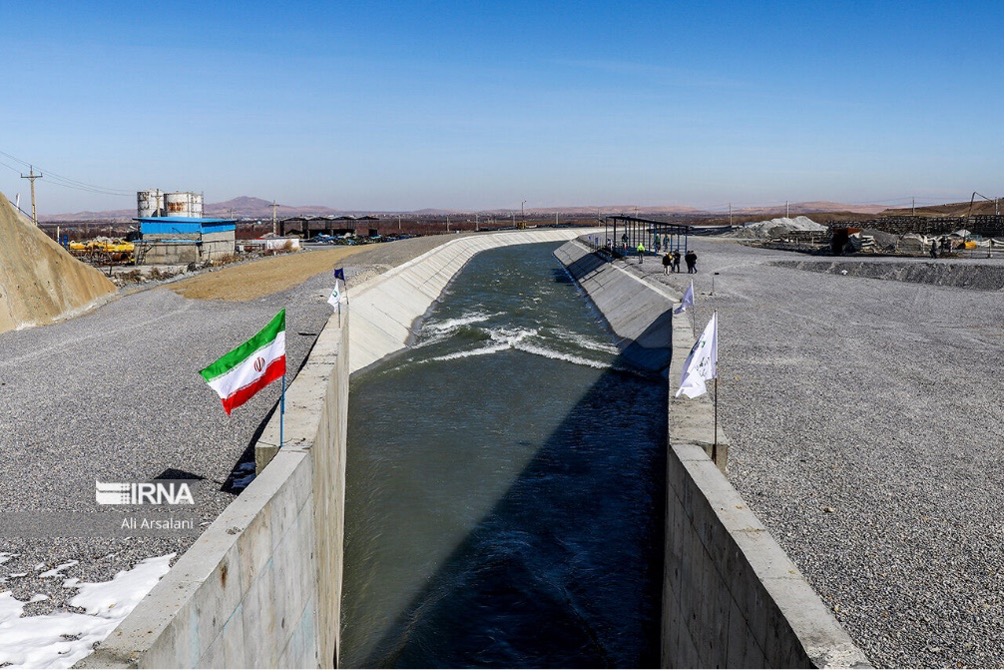
Their research, published in the Iranian Journal of Science And Technology and IWA, demonstrates how artificial intelligence can help Iran’s engineers improve water structures designs and better protect them.
Abraham, a climate expert and mechanical engineering professor in the School of Engineering, said the team is examining two issues: “How do we get the water to the agricultural centers and the cities in a way that maximizes that water use? The other thing we’re looking at is the safety of the structures that get it there.”
Those issues are important, he said, because “we want to build those structures in a way where they are safe, they’ll last indefinitely into the future and they’re not going to undergo catastrophic failure like we’ve seen elsewhere around the world.”
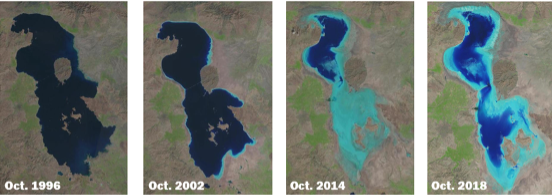
Iran is in one of the most arid regions in the world. According to Abraham’s research team, the average rainfall in Iran is 260 millimeters per year while the average rainfall in the world is about 800 millimeters. Additionally, 90 percent of the water volume in Iran is used for agriculture. Therefore, proper management of water consumption in Iran’s agriculture is crucial.
“Because Professor Abraham specializes in the field of fluid mechanics, which is closely related to water engineering, we have developed a good collaboration,” Salmasi said. “In our joint research work, we’ve optimized the spillway of a storage dam, an important part of the dam that discharges water in excess of the dam's capacity during river floods. I think our research will greatly contribute to these designs.”
Abraham and his team use computer models to train AI to analyze thousands of different designs and determine which designs will help Iranian engineers improve their water structures.
“What AI does is it takes our ideas that we start out with and it makes them better,” he said. “We come up with a basic design and then we use AI techniques like the ones in these studies to figure out if our design is the best. If it’s not the best, how can we change it to make it more effective?”
Salmasi said using AI will also help engineers design more economical water structures.
“In our joint research work, we optimized the stepped spillway of a storage dam with the aim of maximizing energy dissipation, which I think will greatly contribute to the economization of the designs,” he said.
Abraham, who contributes to the research by sifting through the data and sharing data analysis, is confident that the encouraging data analysis results from their research will enable the team’s work to have positive, long-term effects in Iran for years to come.
“Right now, the information that we’re coming up with is being fed to the designers of the next generation of water structures,” he said. “They’re able to make that next generation better, stronger, cheaper and able to sustain themselves and last indefinitely into the future.”
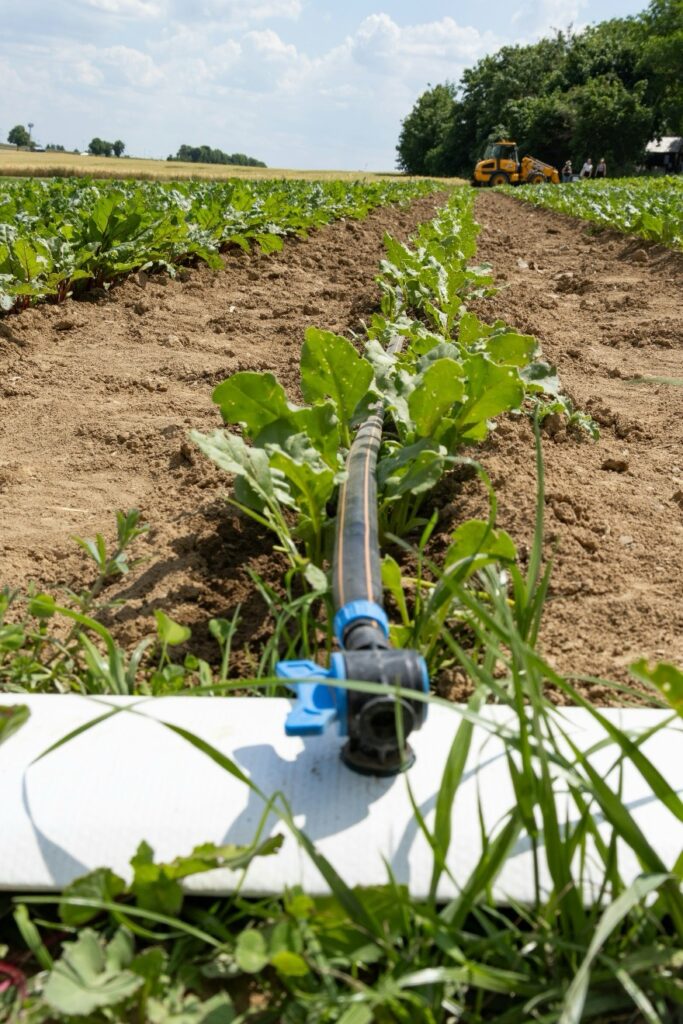
Abraham said the world is in a race to improve the global water crisis because climate change is adversely affecting the planet’s precipitation patterns.
Despite water becoming scarcer in some regions of the world, Abraham said they are hopeful their work will help Iran win its race to improving water management faster than the climate is changing.
“I think we are going to win this race because we have jet power called AI,” Abraham said. “What gives me hope is we are using these new AI techniques to speed up the optimization process.”
Abraham said one reason he works on these projects is it makes him a better teacher. This fall, he is training undergraduate students at St. Thomas how to solve similar problems. They are being trained using state-of-the-art virtual reality software and AI to improve water flow.
Then, students use their knowledge to design piping systems for buildings, catheters for heart disease therapy, and calculate drag forces for vehicles traveling through water.
“That’s how we change futures—not just for our students, but for the world facing critical resource challenges,” he said. “AI gives us the momentum we need for hope, progress, and a sustainable tomorrow.”
The importance of Abraham’s research extends beyond water, arming the school’s students with the best possible skills so they can land their dream jobs.
“My job is to make sure my students can outcompete their peers at other universities, get those dwindling number of entry-level white collar jobs and launch their career trajectories,” he said. "When these students graduate and apply for jobs, they will show their future employers how they have taken their learning outside of the classroom and into the real world.”
About the Researchers
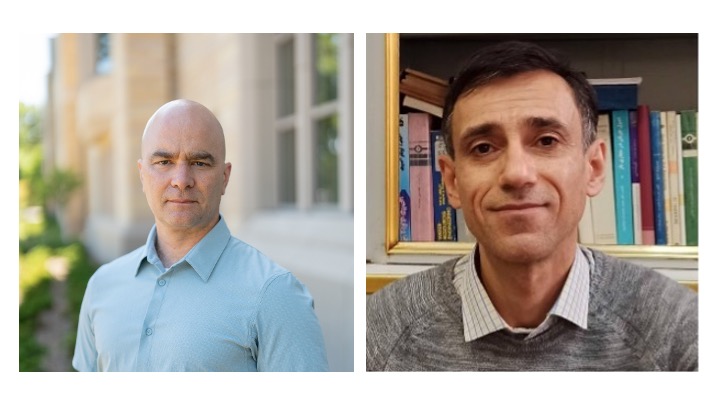
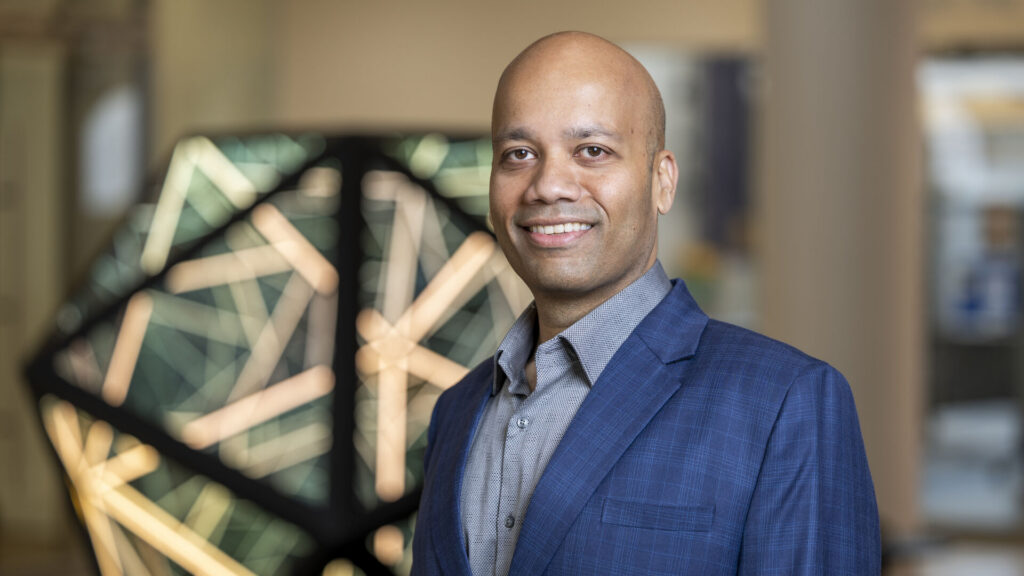
John P. Abraham is a professor of thermal sciences in the School of Engineering at the University of St. Thomas in Minnesota. He teaches and conducts research in mechanical engineering with a focus on thermal sciences, biomedical engineering, renewable energy, climate change and engineered devices.
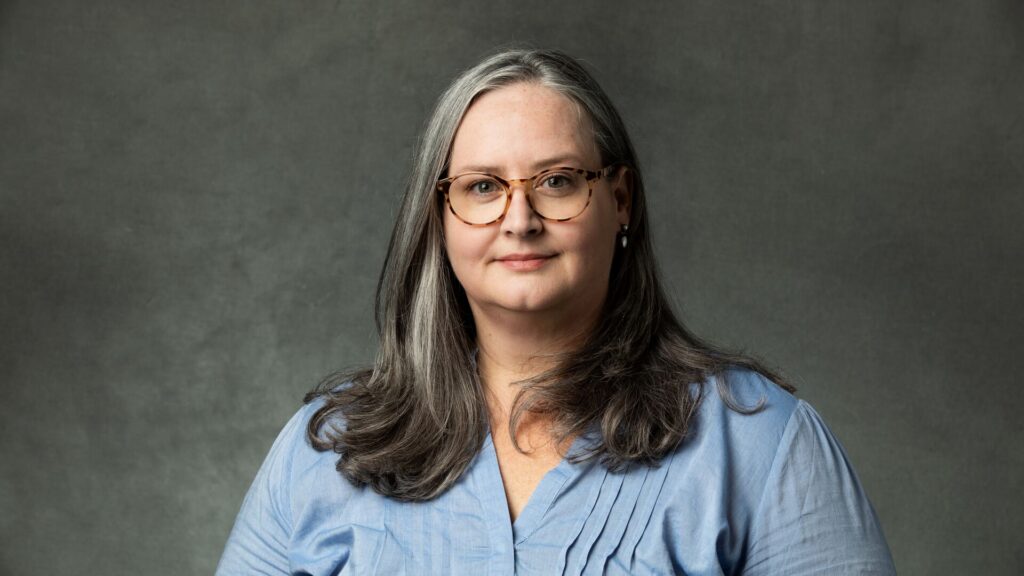
Farzin Salmasi is a professor in the Department of Water Engineering at the University of Tabriz in Iran. Born in Tehran in 1970, he specializes in hydraulic structures engineering, with expertise in modeling spillways, dams, and irrigation systems. He has authored more than 150 journal articles, presented at international conference,s and serves as a reviewer for leading journals in engineering and hydrology.