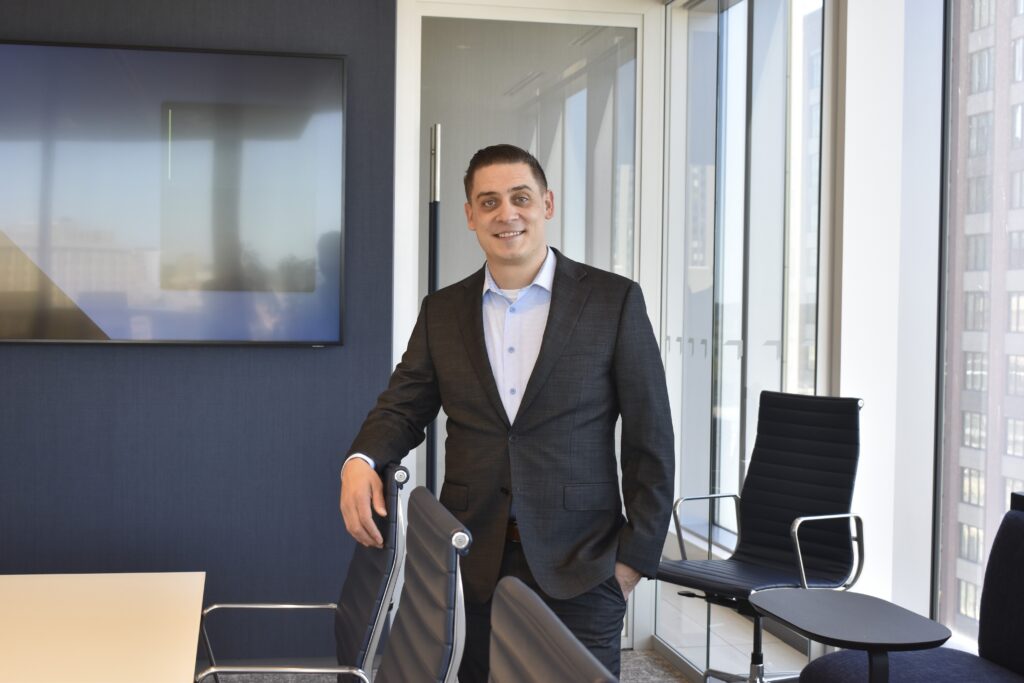
As a fleet supervisor, Chuck Primas Jr. spends his workdays making sure products get where they need to be safely and on time. In his current role at Ruan Transportation, one of the largest family-owned transportation companies in the country, he oversees operations for a team of drivers and manages scheduling, compliance, and logistics.
“Supply chain is at the heart of what I do, and my MBA program is helping me connect the dots between operational efficiency and strategic decision-making,” said Primas, a Part-time Flex MBA student at the Opus College of Business at the University of St. Thomas.
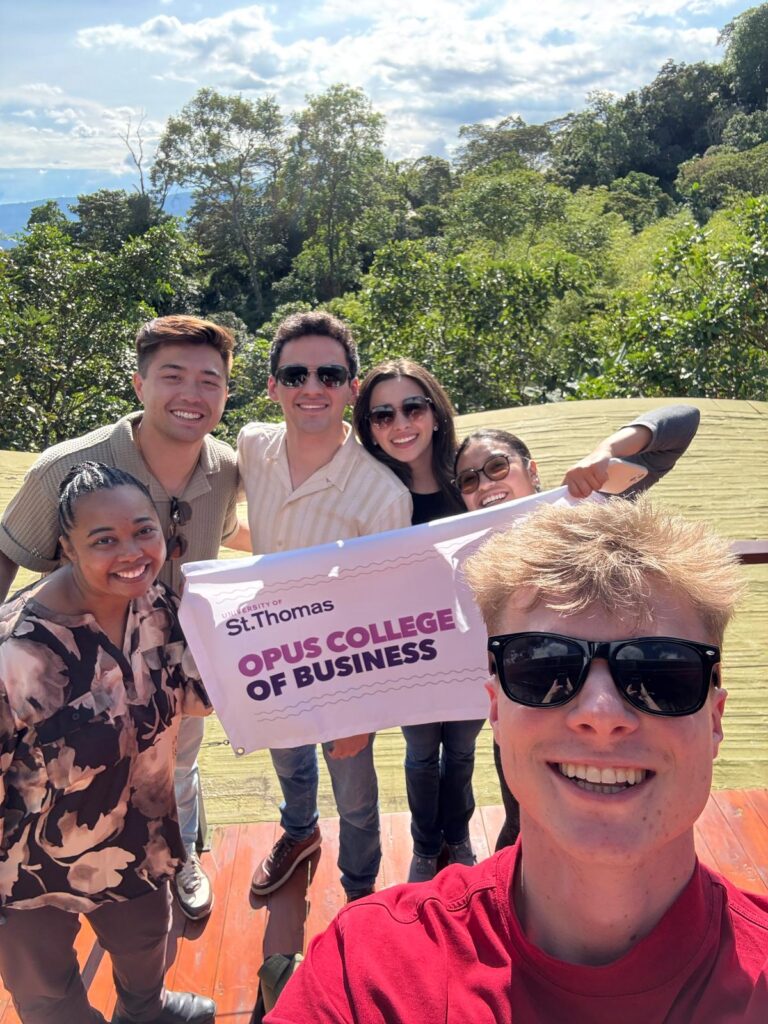
This spring, he and several students from different graduate programs and professional backgrounds stepped out of their routine to travel thousands of miles away to Colombia, South America, for a new study abroad offering from the Opus College.
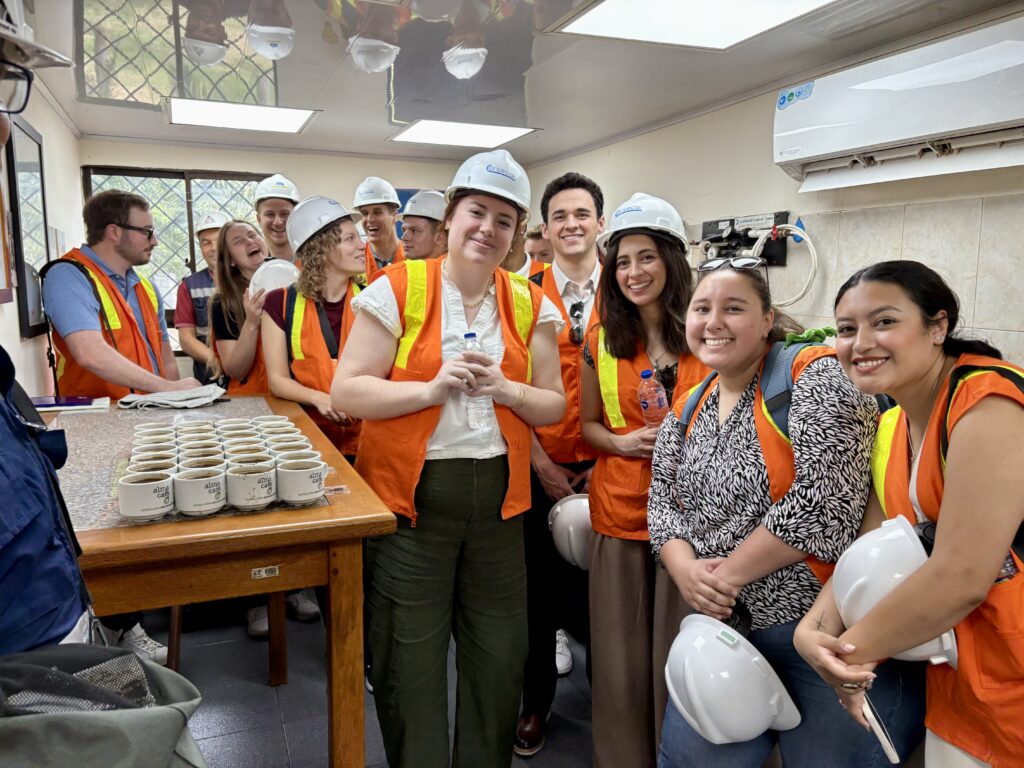
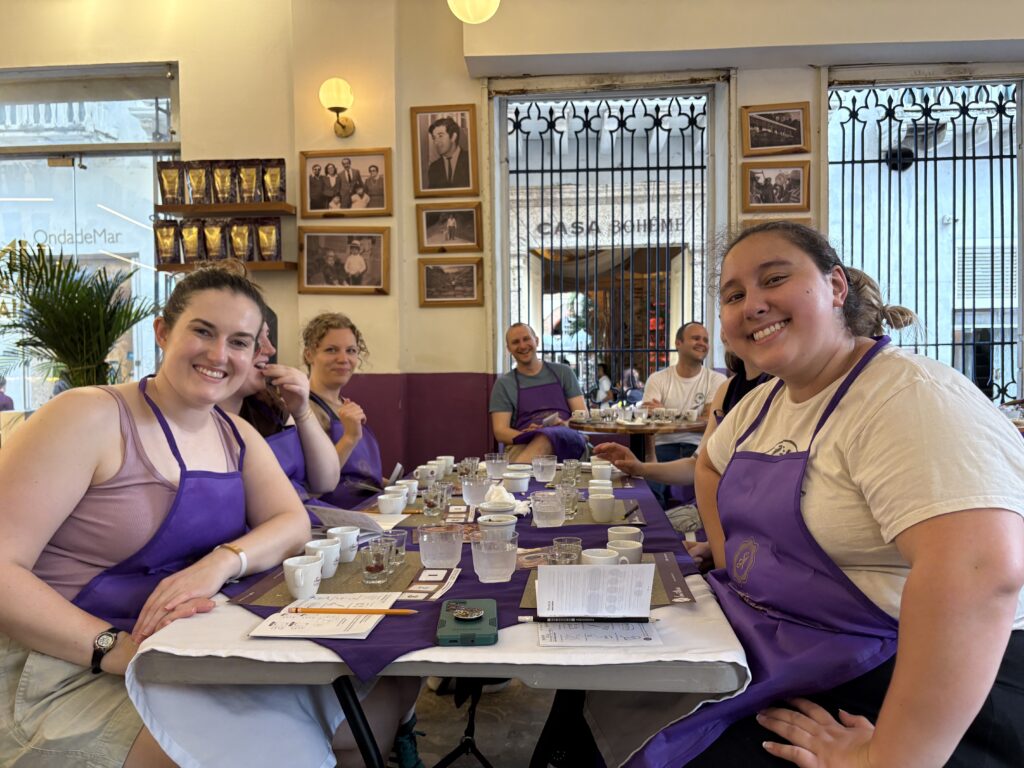
The group of MBA and MS students experienced an up-close look at the country’s coffee supply chain from farm to port. Over 10 days, they learned how a simple cup connects climates, cities, and global markets.
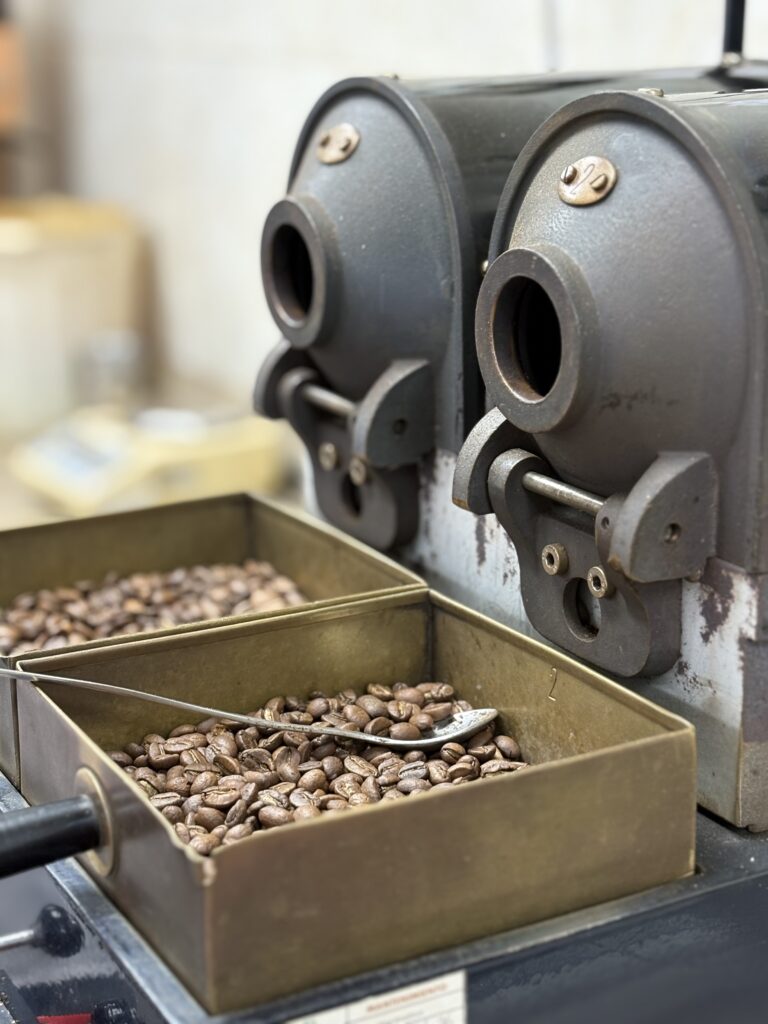
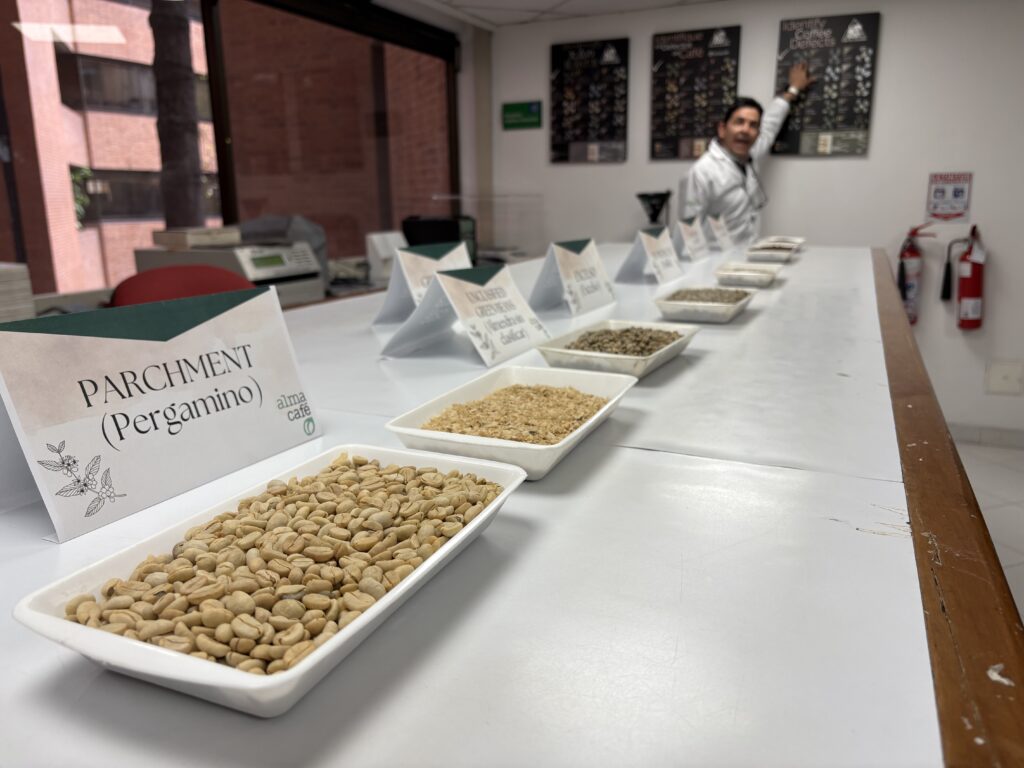
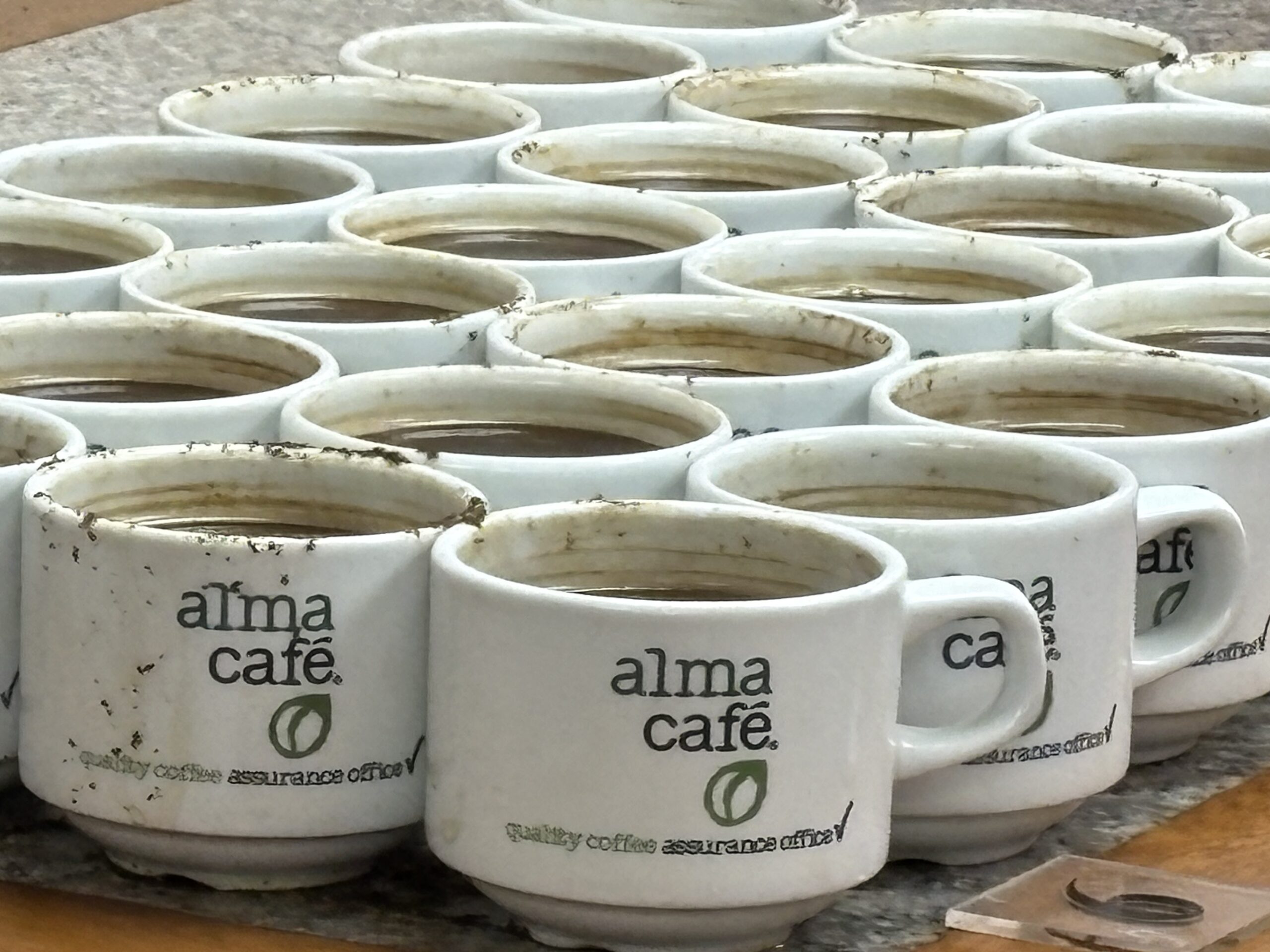
They toured a roasting plant, participated in a “coffee baptism” of the taste buds, and saw how every coffee shipment is tested for quality before being lifted onto giant container ships bound for global markets. Discussions with local farmers, business owners, and executive leaders gave them a layered view of the political, economic, and environmental forces shaping Colombia’s most famous export.
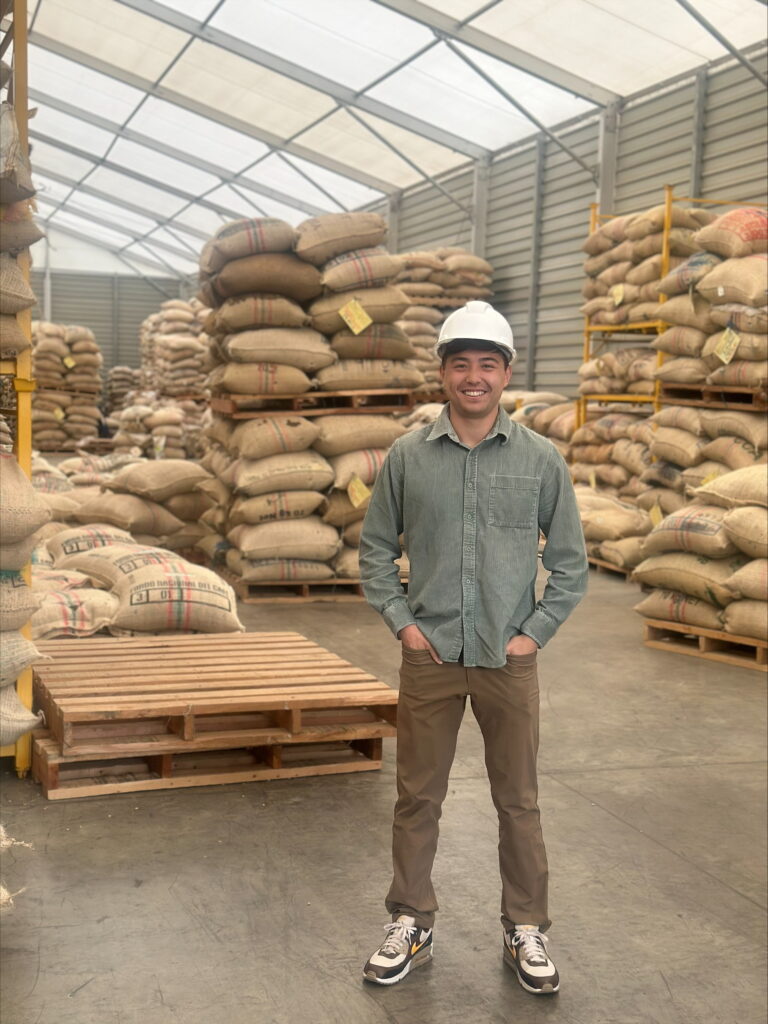
Liz Thielen, an MS student in supply chain management who is a procurement manager at Ecolab, views operations through a continuous improvement lens. At the National Federation of Coffee Growers of Colombia warehouse, she found herself analyzing packaging inefficiencies and spotting movement waste.
“It was a fun reminder that the background you bring shapes what you see,” she said. “It’s one thing to read about supply chains; it’s another to stand in the middle of one and see how every step impacts the next.”
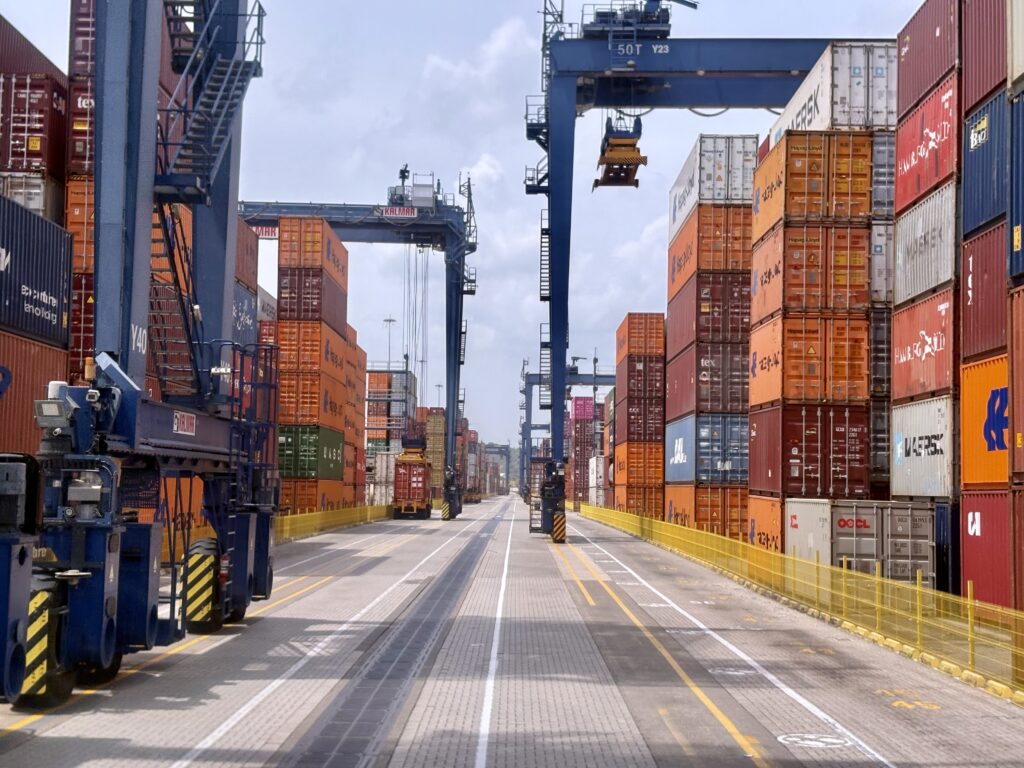
She also saw the ripple effects of container shortages at the international shipping port in Cartagena and its impact on long wait times on global trade. The situation reminded her of similar issues companies face in U.S. ports. It also reinforced the importance of factoring in external risks when making sourcing and logistics decisions.
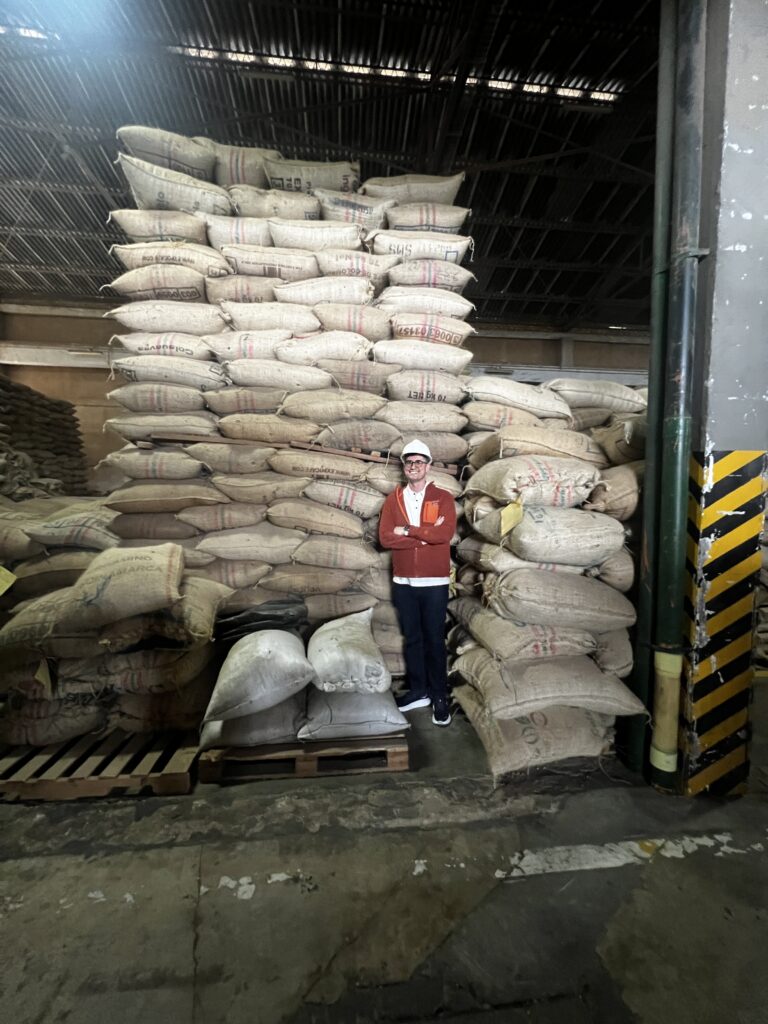
“Even the best internal plans can be disrupted by what’s happening miles away,” she said.
The students also visited La Palma y El Tucán, a boutique coffee farm deeply focused on sustainability. For Thielen, it was a standout moment on the trip.
“I loved seeing how they used coffee cherry skins for fertilizer and minimized water usage. It was a full-circle operation, everything from growing to roasting was done at the farm, and it showed how innovation and environmental stewardship can go hand-in-hand.”
Colombian economist Juan Daniel Oviedo provided students with a socio-political and economic overview.
“His insights into Colombia’s economic landscape helped students connect the dots between global markets and the country’s deep economic and cultural ties to coffee,” said Kyle Goldschmidt, faculty lead and professor of operations and supply chain management.
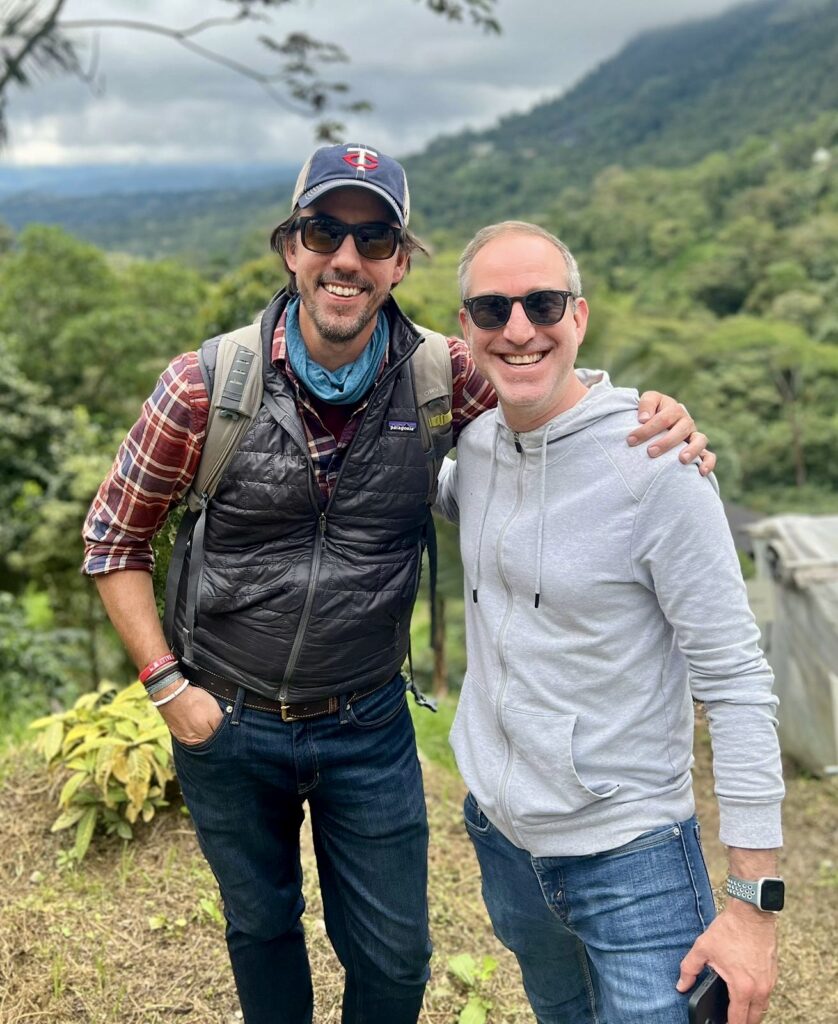
At mountainside coffee farms, the students watched workers pick beans by hand, a process that has been used for centuries. At a shipping port, they saw how thousands of coffee bags sourced from those same farms began their journey worldwide.
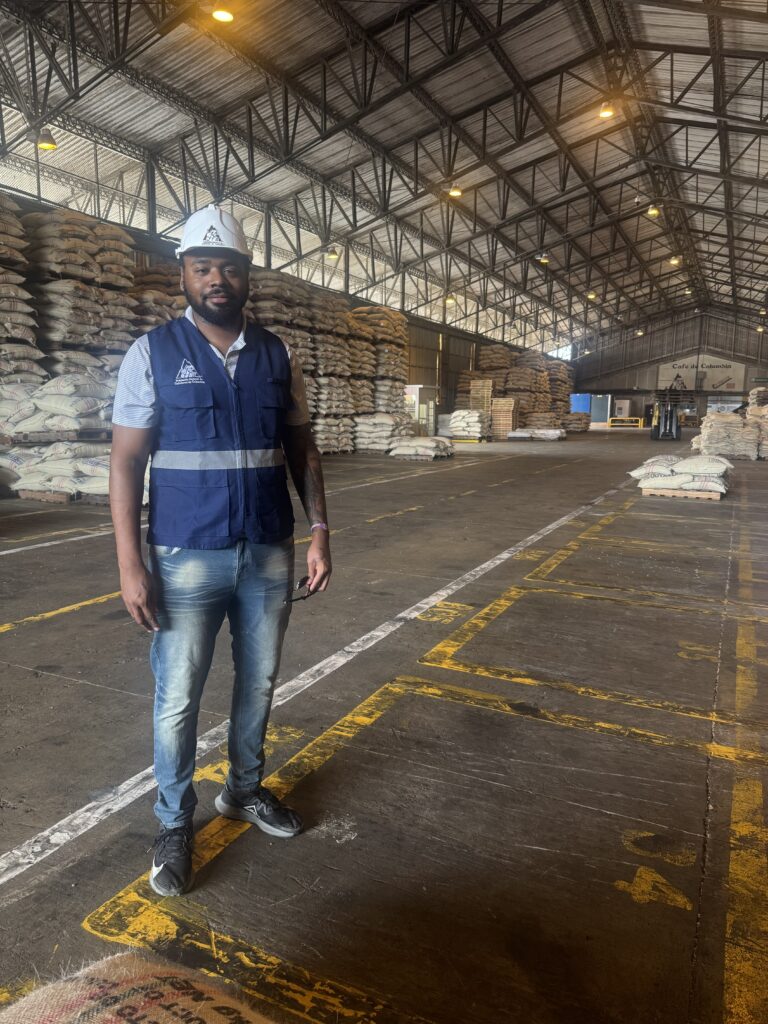
“I usually think about trucks, warehouses, and final delivery,” Primas said. “But being in Colombia helped me see how deeply culture, environment, and community values shape the very beginning of the supply chain.”
Goldschmidt sees study abroad experiences at St. Thomas like this as an opportunity for students to step out of their comfort zones and ask bold questions in a real-world setting.
“The classroom comes alive when you are surrounded by the people, places, and industries you’ve only read about,” he said. “Just as importantly, these experiences challenge the preconceived notions we often carry about countries like Colombia.”
For Kellen Bergs, an account manager with manufacturer Kimberly-Clark managing its baby care business, the experience made him reflect on the complexities behind consumer packaged goods like diapers and wipes.
“When you realize how many hands go into a single cup, it makes you rethink the unseen steps behind every product,” he said. “There are so many small steps that go into the products that are crucial to the final outcome. If any of these steps are mismanaged, it can make the product completely unusable.”
On the trip, Jeremy Cunningham, a senior project manager in construction at Opus Design Build, saw a parallel to his own company, which attempts to differentiate itself from other contractors and developers by focusing on sustainability.
Cunningham, who had backpacked through 26 developing countries around the world, found this trip especially meaningful.
“I think the majority of what you learn on a study abroad trip can’t be taught in a classroom,” Cunningham said. “Because of that engagement I learned much more than I would have if I were on my own.”
Hearing perspectives from each other also added another layer of learning.
“It pushed me to step outside my usual way of analyzing problems and appreciate the bigger picture of how different disciplines shape global industries,” Primas said. “It reminded me why I pursued an MBA in the first place -- to broaden my perspective and grow as a leader.”