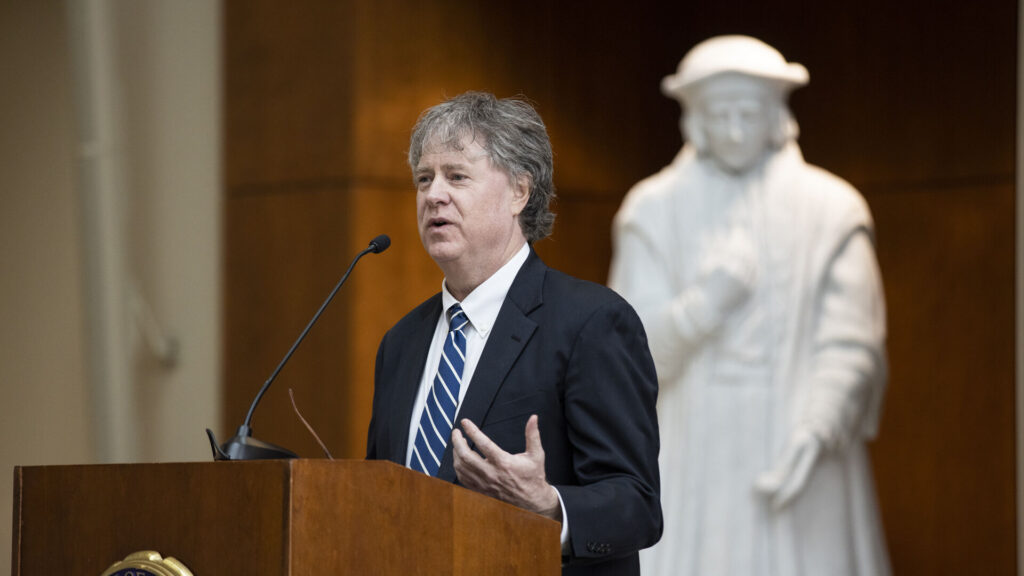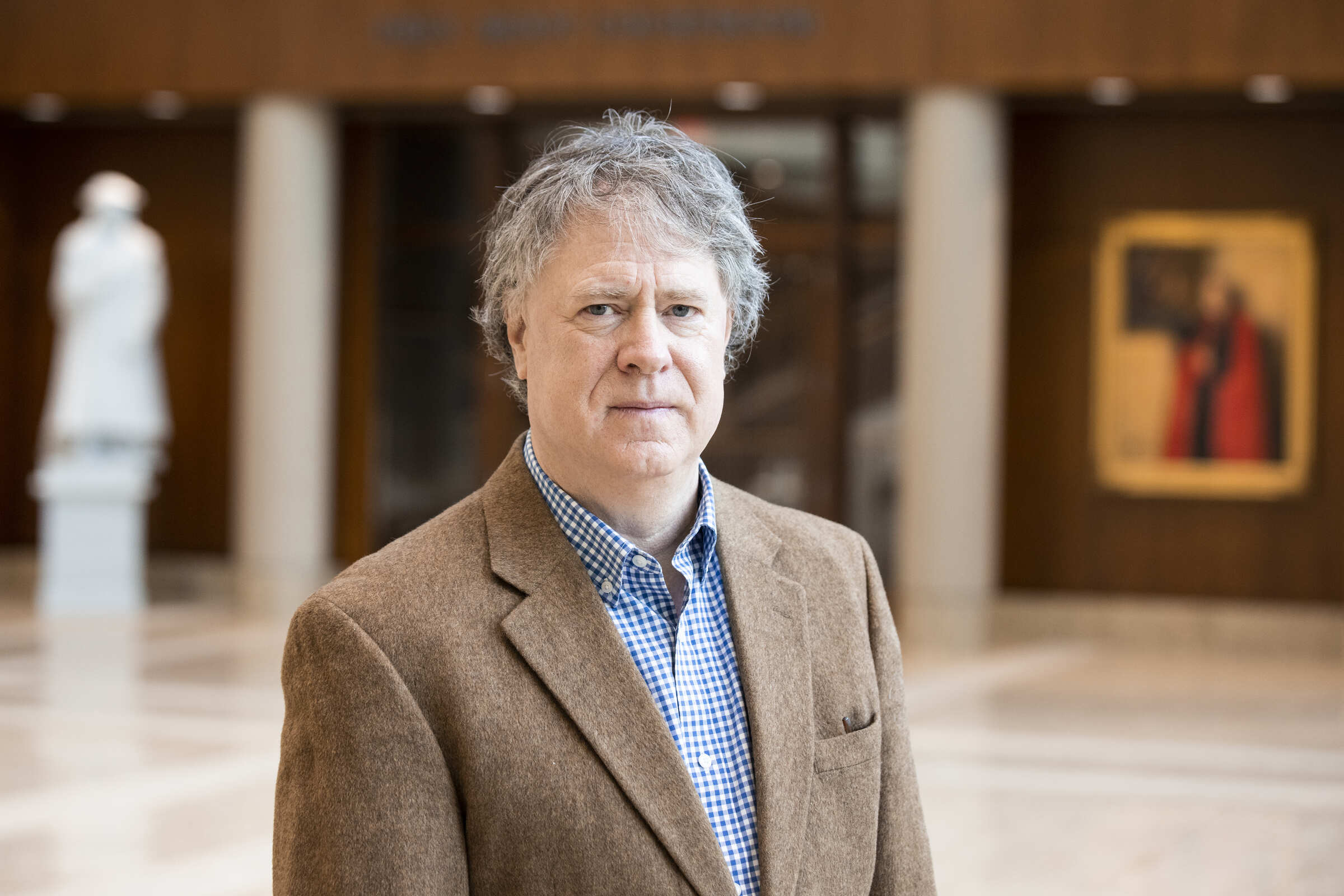
Mark Osler, a professor at the University of St. Thomas School of Law, spoke with “60 Minutes” as part of an investigation into lawyers and lobbyists charging large fees to help clients seek presidential pardons. Osler discussed how the clemency process has changed and raised concerns that people without the resources to pay for access may be disadvantaged.

From the conversation:
Osler: There’s definitely a lot of money flowing around. And that makes a petri dish for corruption.
Law Professor Mark Osler of the University of St. Thomas in Minnesota has spent the past 15 years helping indigent felons apply for pardons. Now, he says, they’re locked out of the system.
Osler: People think, “Well, if I can get to this person who can find the president at Mar-a-Lago,” “If I can pay a million dollars to this friend of a White House counsel then I will have a shot.” And that is not a system. That’s something different entirely. It’s anarchy.
Lesley Stahl: In the new system no expression of remorse that you know of?
Osler: Well, in fact, what seems to have been a winning tactic for some people is exactly the opposite, saying, “The people who were wrong were the people who accused me, that I have been a victim of a weaponized Department of Justice.”
Burkman and Wohl told the Covinos to tap into the president’s grievances and say that Ammon was a victim of a weaponized prosecution.
Jack: It’s a question of reminding the president this is an Obama prosecution that never should have happened.
He told them this White House vets cases differently.
Jake: So, like Trump makes his own decisions. He relies very little on DOJ. So with Trump, DOJ is ...
Jacob: It’s an afterthought.
Until nine days ago, Ed Martin, a Trump appointee, ran the pardon office at DOJ, where 16,000 applications are awaiting a decision.
Stahl: People pay $300,000, $1 million, $3 million to these brokers to get the application before the president. Meanwhile, all these other people that you look at the Department of Justice, they are not getting their pardons. And is that a fair system?
Ed: I’m not seeing – I reject your characterization of the system. I’ve not seen it. I’ve not heard it. I sat with a thousand people in the last year in my office, and I listened to them tell – some of them ended up with clemency. Some of them were pardoned.
We checked: About 70% of President Trump’s clemencies in his second term have not gone through DOJ. If you include the Jan. 6 rioters, that goes up to 92%. And we noticed that some pardons came after well-timed donations or a business deal.