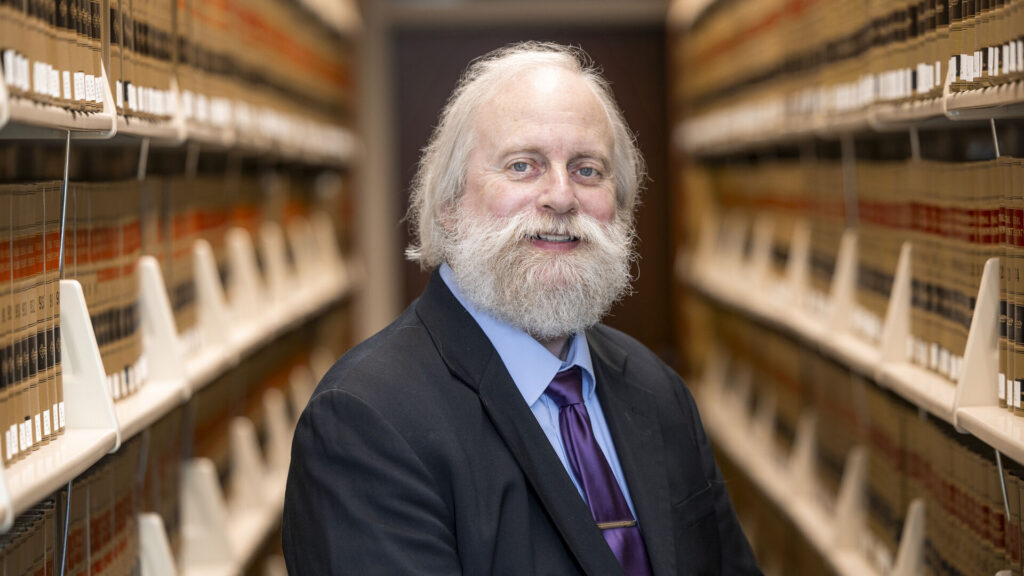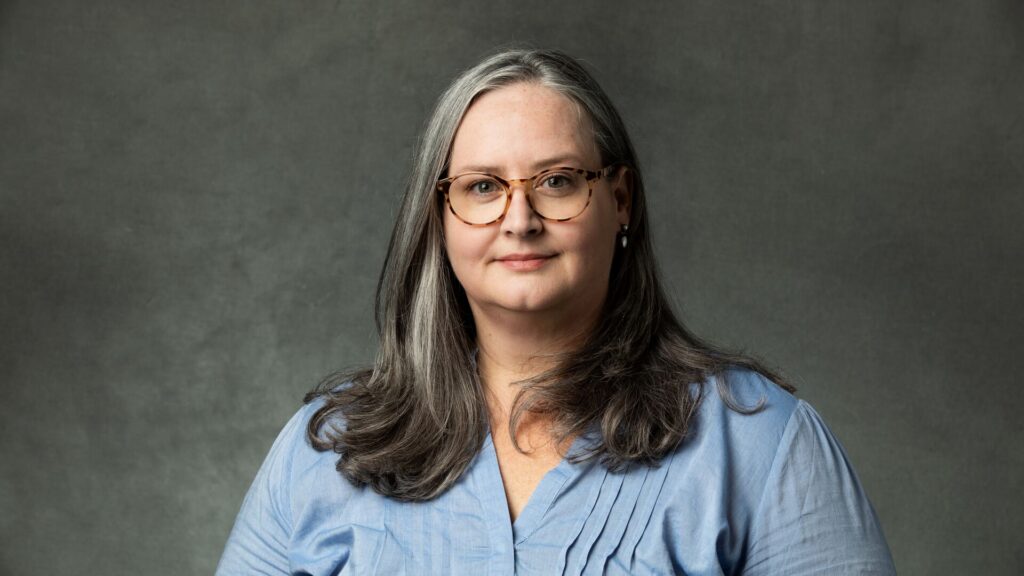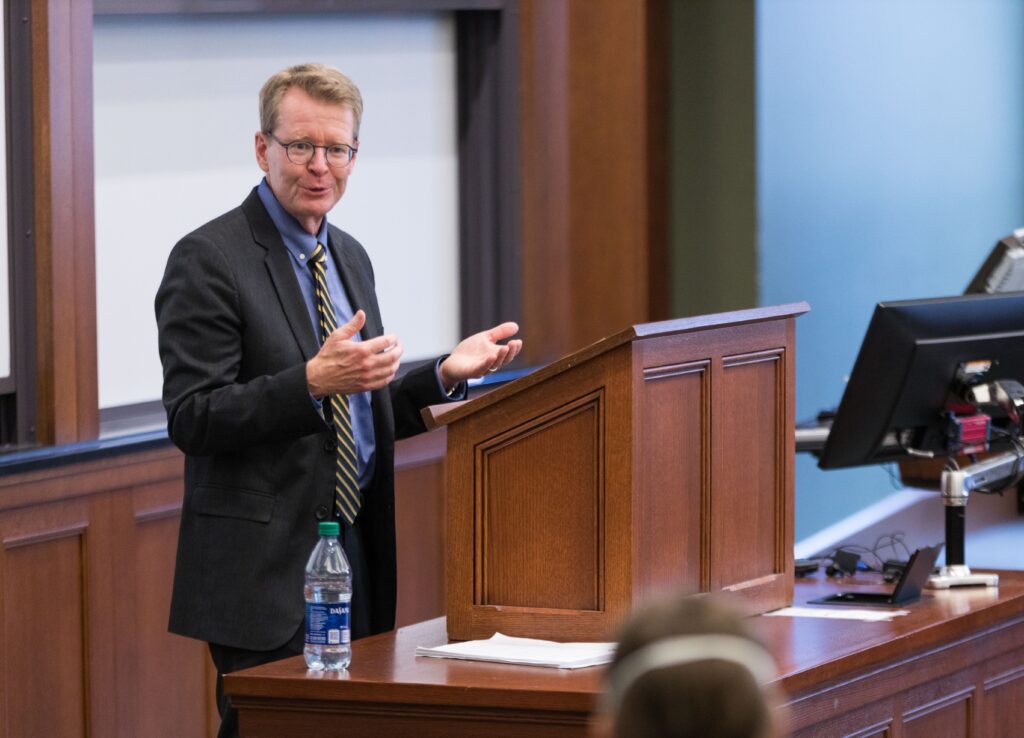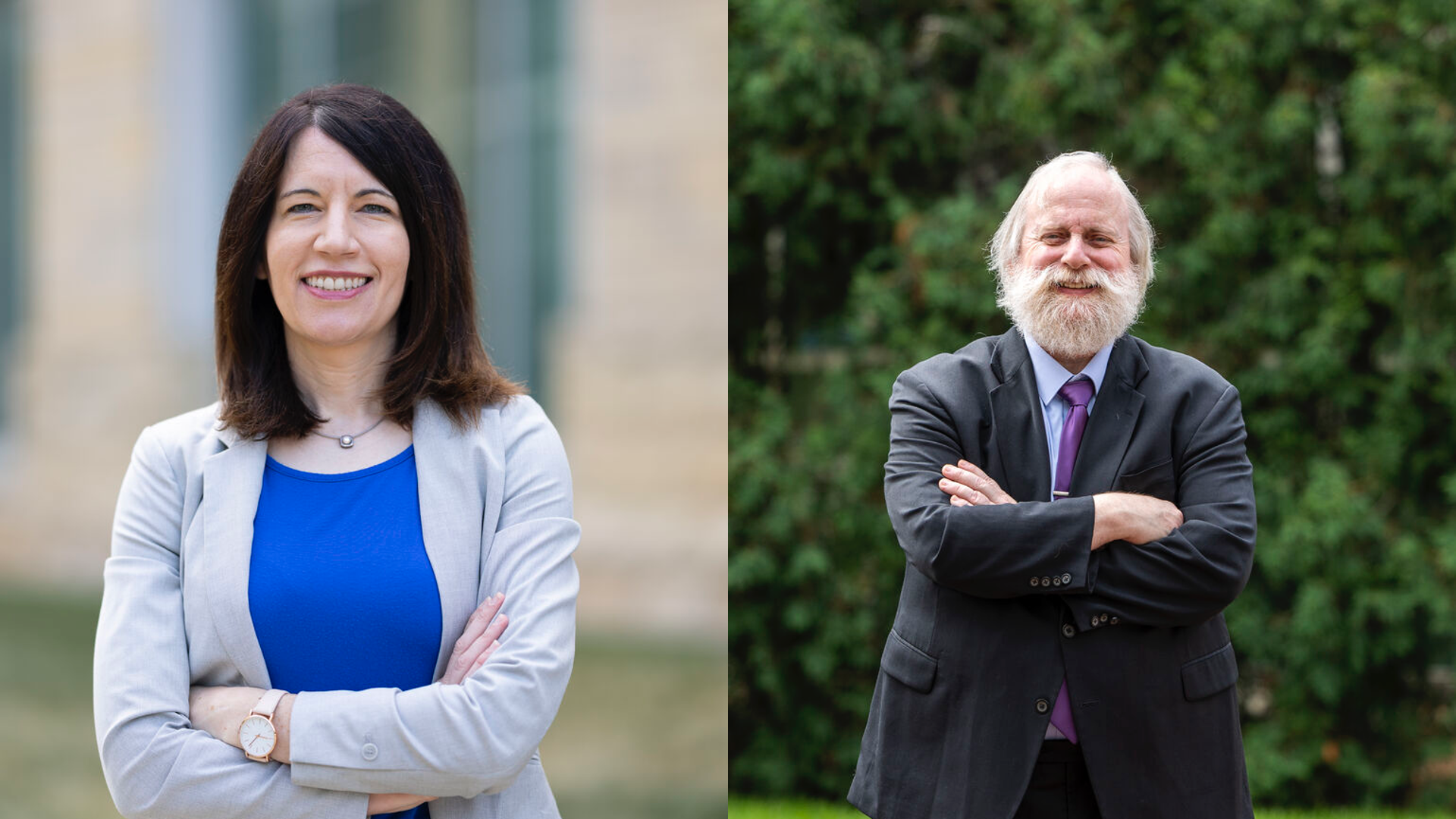
Rachel Moran and Gregory Sisk, professors at the University of St. Thomas School of Law, spoke with multiple media outlets about lawsuits filed by the family of Renee Good following her death during federal immigration enforcement in Minneapolis. The professors discussed the legal arguments behind the cases, including a wrongful death claim and a separate civil rights lawsuit involving federal officials.

From NPR:
In making that argument, the lawyers, with the firm Romanucci & Blandin, relied on the Ku Klux Klan Act of 1871, which was used to combat the terrorism wrought by the KKK during the Reconstruction era.
"I would say the second lawsuit is very unusual," Rachel Moran, a law professor at the University of St. Thomas, told NPR. "It was immediately striking to me because the Trump administration has been aggressively using conspiracy charges, including here in Minnesota, against people involved in protesting the administration's immigration tactics."
Moran said the lawyers in the Good lawsuits seem to be "turning that tactic on its head" by arguing that administration officials are involved in an illegal conspiracy themselves.
According to Ben Berkman, one of the lawyers representing Good's family, the first lawsuit is about what federal officers did to Renee Good on a Minneapolis street last winter. The second is about why those officers were on that street in the first place.

From WCCO-AM:
Jordana Green: Are you saying that the president's past words of some people coming from (expletive) countries, or Minnesota being poorly run and being a sanctuary city, are you saying those words could be used against the federal government in this lawsuit?”
Gregory Sisk: Absolutely. It doesn't mean that it will in the end be successful, but they certainly would be relevant to indicate that this was not a legitimate law enforcement investigation that was neutral and targeting, as they said officially, the worst of the worst among undocumented aliens who had committed crimes, but that it was for another purpose, which was to intimidate and bully an entire group of individuals, Somali individuals, Latino individuals.
So yes, it is certainly relevant. Now, whether that will persuade a judge to allow it to go to a jury or persuade a jury that those extreme statements made by the president himself actually influence those underneath the president, within the Department of Homeland Security and otherwise, to take these steps with a malicious purpose, that goes to the merits of the case.
But I think it is an unusual circumstance in which you have so many statements made by high-level officials that struck many of us observing this as surprising, shocking kinds of things to say. Whereas typically when federal officials are accused of having engaged in some conspiracy, there's a lot of speculation involved. Not so much here.