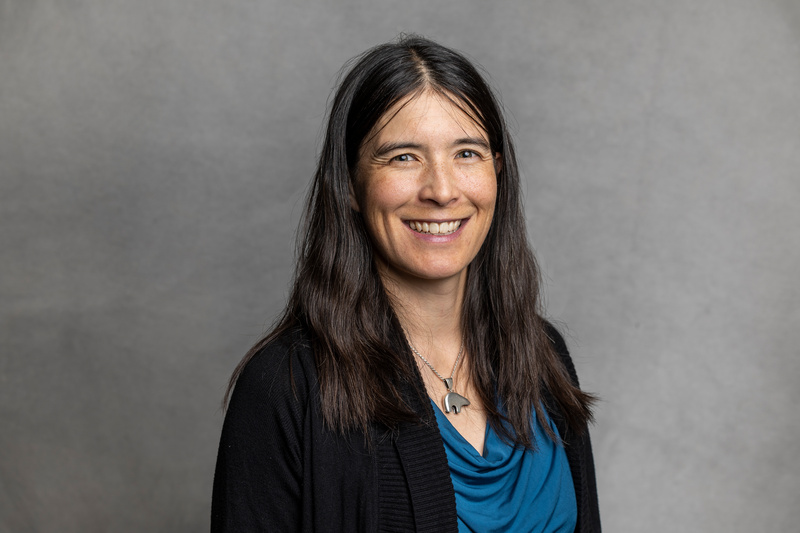
Ali Ling, associate professor at the University of St. Thomas College of Engineering, spoke with the journal Science about emerging technologies designed to destroy PFAS, commonly known as “forever chemicals,” and the challenges of addressing widespread contamination. Ling discussed the need for standardized testing of cleanup technologies and shared research examining the high costs of PFAS remediation, emphasizing the importance of preventing new pollution and prioritizing areas that pose the greatest risks to human health.
From the article:
“To me, the biggest question in PFAS remediation is not what technology to use,” Ling says. “It’s where do we actually use it, and when do we stop?” ...
In a July study, Ling compared the cost of two possible futures for PFAS remediation in Europe. The first, dubbed the “legacy scenario,” would tackle existing contamination, removing only long-chain PFAS with the strongest evidence of harm. She estimates this approach would cost €37 billion over 20 years.
The second, the “emerging scenario,” would take the maximalist approach being considered by ECA, scrubbing contaminated water and soil of virtually all PFAS, including stubborn TFA. The estimated cost was startling: €100 billion per year. And the cleanup would continue as long as industry continued to emit PFAS.
The numbers changed Ling’s thinking. Once an advocate for removing PFAS wherever they were found, she now believes finite resources would be better spent preventing fresh industrial pollution and targeting contamination hot spots that pose a clear danger to health.