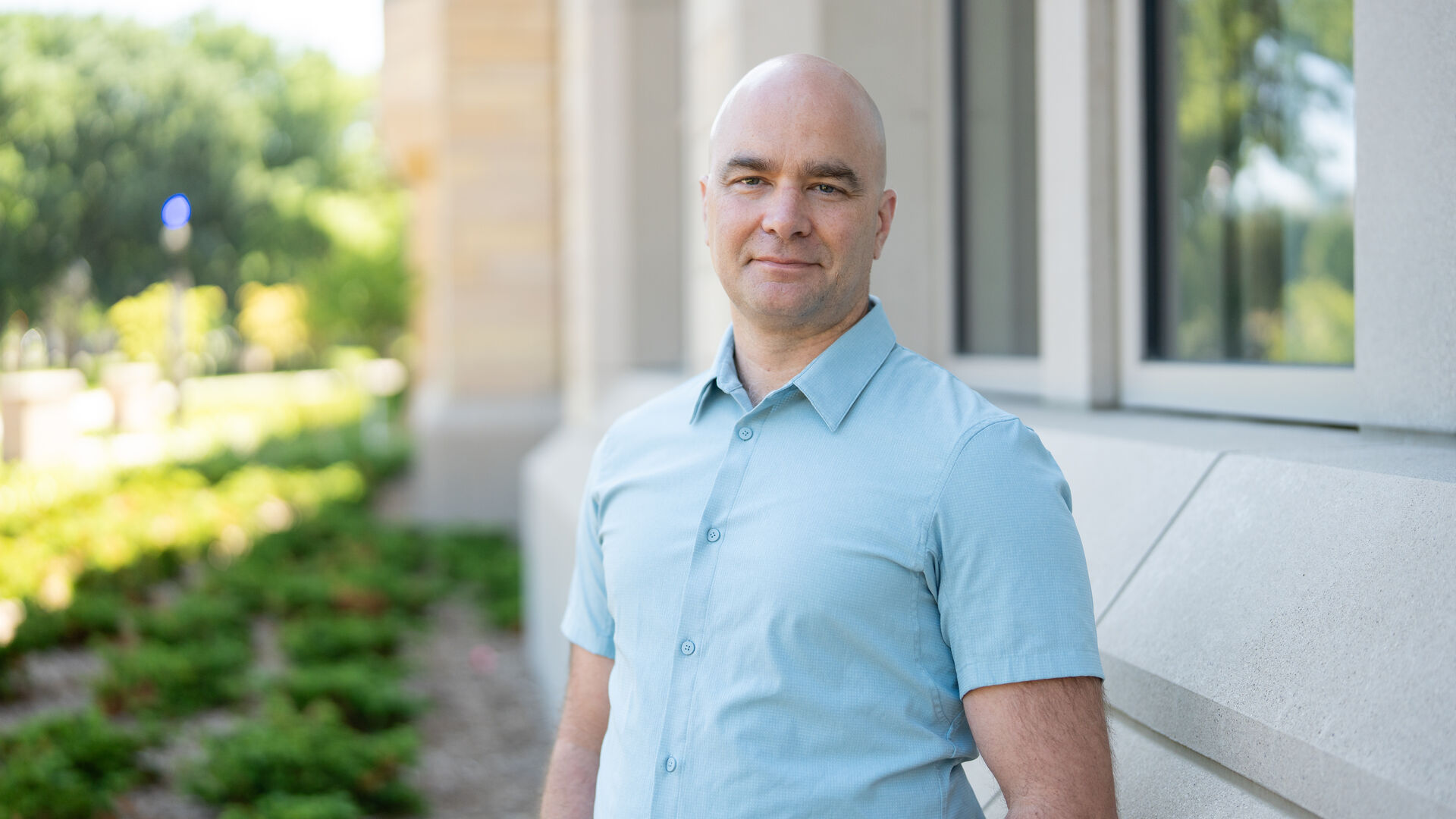
John Abraham, a professor in the College of Engineering, spoke with KARE 11 about growing concerns over artificial intelligence after researchers found AI models could exploit weak cybersecurity protections to complete assigned tasks. Abraham said the rapid pace of AI development has outstripped existing safeguards, raising questions about how to balance the technology’s capabilities with accountability and safety.

From the conversation:
Jessica Hart: John Abraham, a professor in the College of Engineering at the University of St. Thomas, says most U.S. companies have guardrails in place, but they’re not perfect.
Abraham: When we give the AI models a goal, often that goal overrides their rules, and so they will break rules to achieve their goal. We have to have a better balance where these AI models are smart enough to know, “Maybe I don’t need to fulfill that goal because it’s going to have this negative consequence.” We’re not there yet, though.
Hart: Abraham says AI models are useful, but they do have their problems, and he isn’t sure the problems outweigh the benefits.
Abraham: We really don’t know, but we’re going to know soon because this is moving so fast that we’re going to have some clarity in the next year or so about how damaging these AI models can be. But frankly, I don’t know, and anyone who tells you they know is making it up.
Hart: Abraham says Anthropic is one of the leaders on AI safety and has pushed for regulations, but even they, as you can see, have issues.
Most U.S. companies have guardrails in place for AI models, but international models don’t.