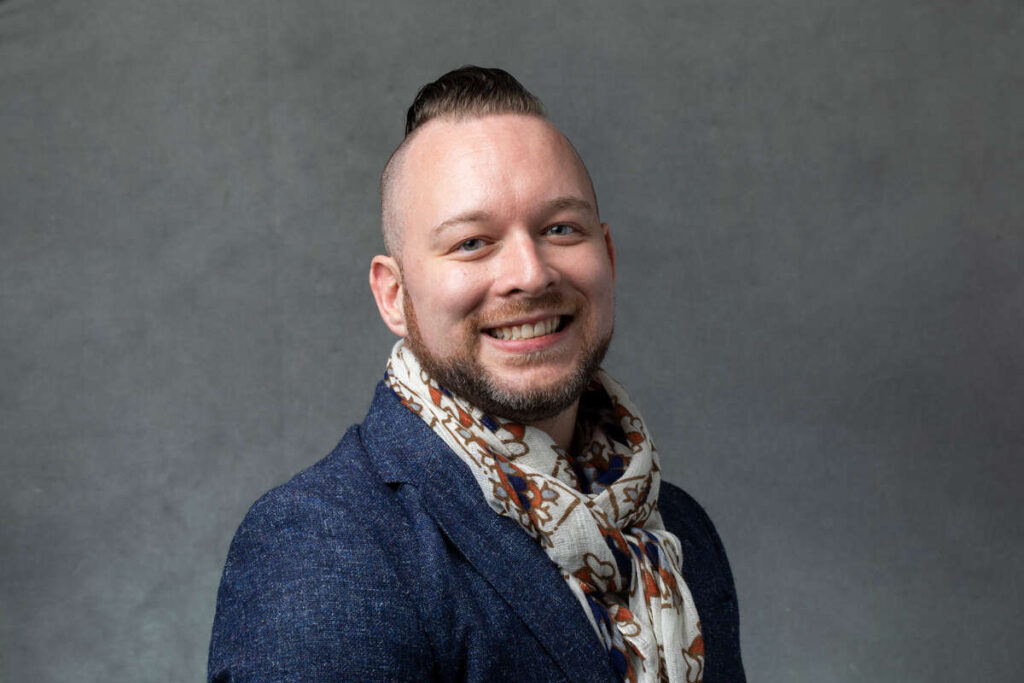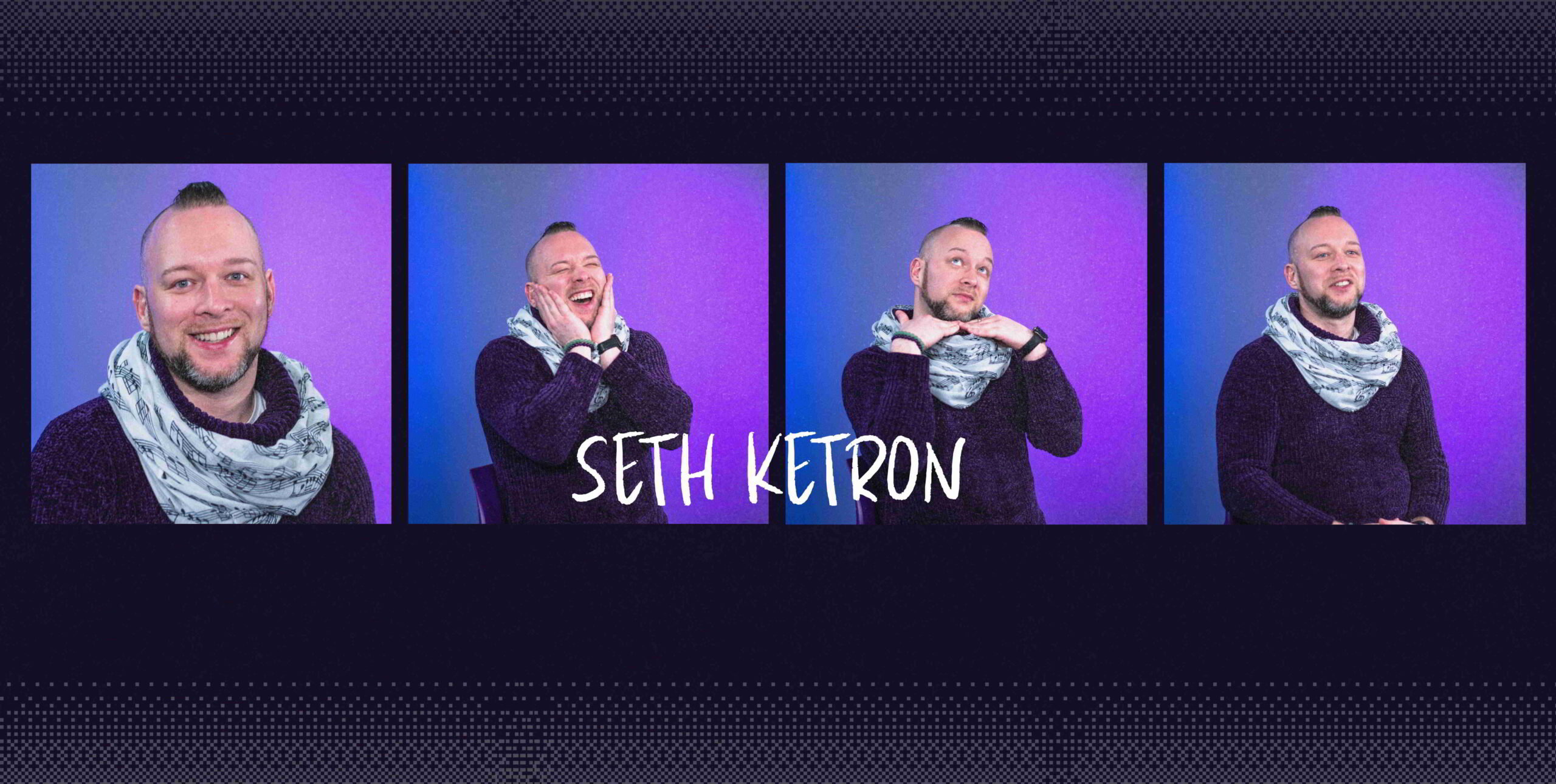
With experience that spans beyond the classroom, including years in corporate retail at Gap Inc., JCPenney, Belk and The TJX Companies, Seth Ketron has built a career around noticing the small cures that shape how people move through the world.
Now as associate professor of marketing at the University of St. Thomas' Opus College of Business, Ketron studies consumer behavior through the lenses of sensory marketing and emerging technology. Much of that work explores how tools like virtual, mixed and augmented reality can change what people perceive, and how they decide.
In conversation, Ketron's research can sound futuristic, but the throughline stays practical: how real people respond to environments that are increasingly designed to persuade.
One area he's watching closely is the shift from scripted virtual experiences to ones that respond in real time. In the next five years, Ketron expects artificial intelligence to help build "adaptable environments" in virtual reality—spaces that can "develop of shift based on their inputs and their actions." In retail, that could mean shopping experiences that go beyond showing products, subtly reshaping the environment around consumers as they browse.
"It's a really cool thought," he said.
Artificial intelligence is emerging rapidly. When asked whether consumers will lean more on AI to make purchasing decisions, Ketron said that's likely, similar to how people rely on tools like Google. Trust, he said, will be the deciding factor.
"If AI provides inaccurate or misleading information, people may hesitate to rely on it. Over time, as AI improves, resistance may decrease, but it will depend on reliability and user experience."
That rapid growth also raises ethical questions for both users and companies building and deploying the technology. Ketron said those boundaries touch everything from privacy and consent to transparency and the real-world costs of scaling AI.
"The ethical boundaries of AI depend on several factors, including privacy, data usage and transparency," said Ketron, who, in 2026, received the Provost’s Emerging Scholar Award for how he demonstrates outstanding achievement and potential in scholarly endeavors exemplifying the mission and values of the University of St. Thomas.
"When you feed data into an AI, you're giving people's data that they may not have consented to be given... You need to make sure that you are not giving it data that is protected or should be protected."
"There are concerns about using consumer data without consent, environmental impacts from data centers, and the effect on jobs. As AI becomes more integrated into society, these ethical discussions will become even more important. It's essential that we maintain human oversight and critical thinking when using AI."
How is artificial intelligence already shaping the retail experience?
AI is already being used in several ways, including chatbots, customer service tools and emerging technologies like service robots. Some of these tools are improving quickly, but they still have limitations, especially when situations become more complex.
I think consumers may become more reliant on AI overtime, similar to how people rely on search engines or other digital tools now. As AI and large language models continue to improve, some of the psychological resistance people have towards using AI may weaken.
What interests you most about the future of virtual and augmented reality?
One of the things I find most interesting is the possibility of adaptable environments in virtual reality. As AI continues to grow, virtual experience could eventually develop or shift based on someone's inputs and actions in real time.
In retail, that could mean more personalized shopping experiences where consumers interact with products and brands in immersive virtual spaces.
Augmented reality is already being used more widely because it only requires a smartphone. Consumers can use AR to try on products digitally or visualize furniture in their homes before making a purchase. Those experiences help reduce uncertainty when people are shopping online.
How do sensory cues influence consumer behavior?
Sensory inputs can have a major impact on how consumers experience environments and brands.
Music is one example. Generally, the faster the tempo of the music, the faster people move. Some stores may use slower music to encourage shoppers to stay longer because the longer someone stays in a store, the more likely they are to buy something.
Smell is also especially important because it connects strongly to memory and emotion. In some of virtual reality research, we've looked at how real or even imagined smells can make experiences feel more immersive.
Simply describing smells in a virtual environment can make people feel more connected to the experience and more engaged with it.
Where do the ethical concerns surrounding AI become most important?
There are several ethical concerns that go into AI, including privacy, transparency and the use of consumer data.
When people feed information into AI systems, there are questions about whether that data was shared with consent or whether it should be protected. There are also concerns about environmental impact, misinformation and how AI may affect jobs and industries over time.
We have to make sure we maintain the human element and continue using critical thinking rather than simply relying on AI without human oversight.
How does your industry experience influence the way you work with students?
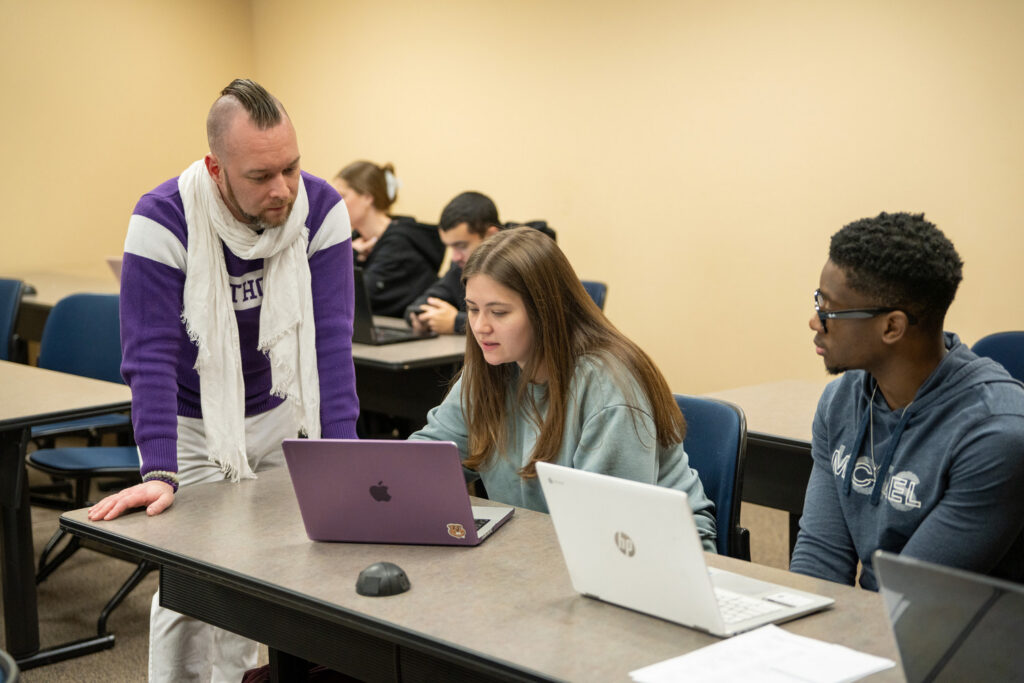
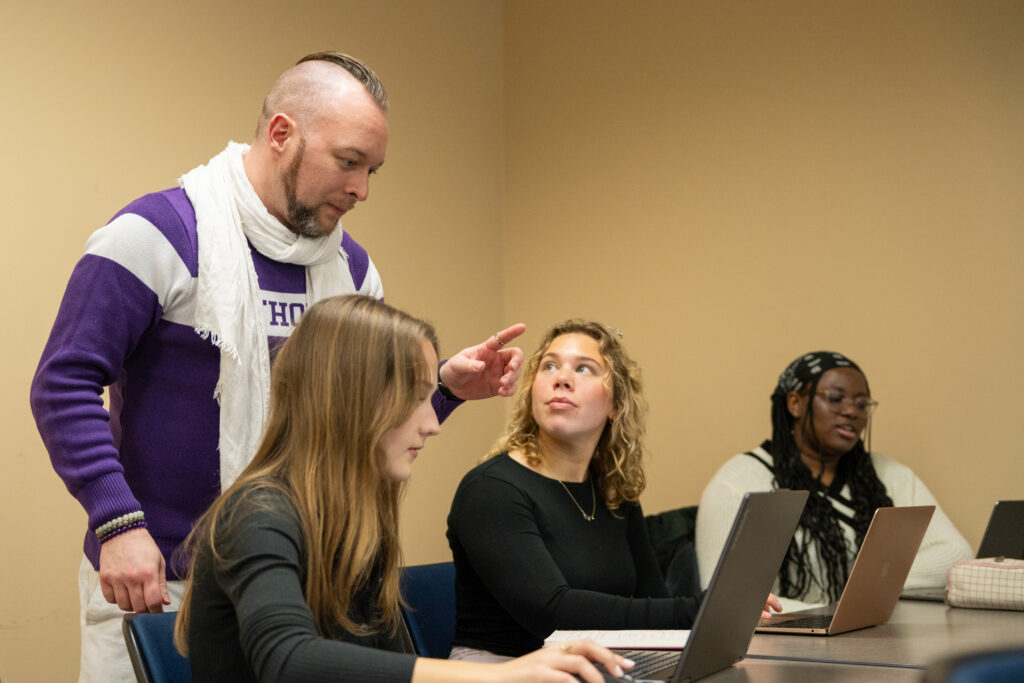
My experience in corporate retail influences how I advise students.
I encourage students to find work they are passionate about while also building practical skills in areas like analytics and emerging technology. Companies are looking for more and more people who understand tools like AI and can apply them in thoughtful ways.
I also emphasize experiential learning. At the Opus College of Business, students have opportunities to work on real client projects, internships and applied experiences that help them think critically and solve complex problems before they graduate. Through programs like the GHR Fellows Program, students also gain additional opportunities to collaborate and apply what they learn beyond the classroom.
What makes the University of St. Thomas the right fit for you?
"The University of St. Thomas feels like home to me," Ketron said. "Helping students discover what they are passionate about and helping them work toward those goals is incredibly rewarding. It truly feels like the best job in the world."