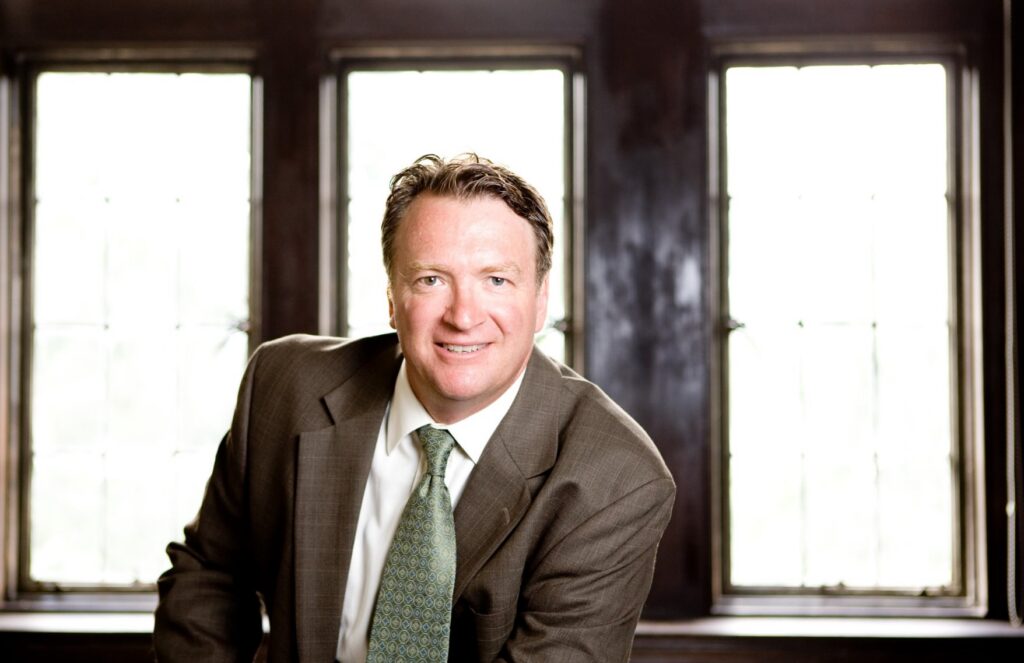
Asked to explain the 40-year history of engineering education at the University of St. Thomas, Don Weinkauf, who has served as Engineering dean since 2008, starts with the unexpected.
“We taught our first engineering courses in a strip mall in Chaska,” Weinkauf said from his office overlooking the neatly manicured south quad outside O’Shaughnessy Science Hall and the Schoenecker Center.
It’s a stark contrast from the mid-1980s. Back then, St. Thomas’ Department of Engineering served working engineers and manufacturing leaders in the evenings and weekends. Shortly after, they moved from their Chaska start-up operation (20 miles from campus) to establish a humble presence in a house on Portland Ave. just off campus.
Today, it has grown into the newly named College of Engineering – officially changing its previous School of Engineering designation – and one of the region's largest engineering programs.
More important than a name change, though, is reflecting on engineering's history (and future) at Minnesota's largest private university. Over four decades, the college has awarded more than 8,000 degrees and expanded its footprint across some of the university's most prominent academic spaces.
And the growth of engineering at St. Thomas mirrors that of the university. What began as a single graduate program now encompasses undergraduate and graduate degrees across multiple disciplines, serving thousands of students and partnering with organizations throughout the region.
Evolving with industry
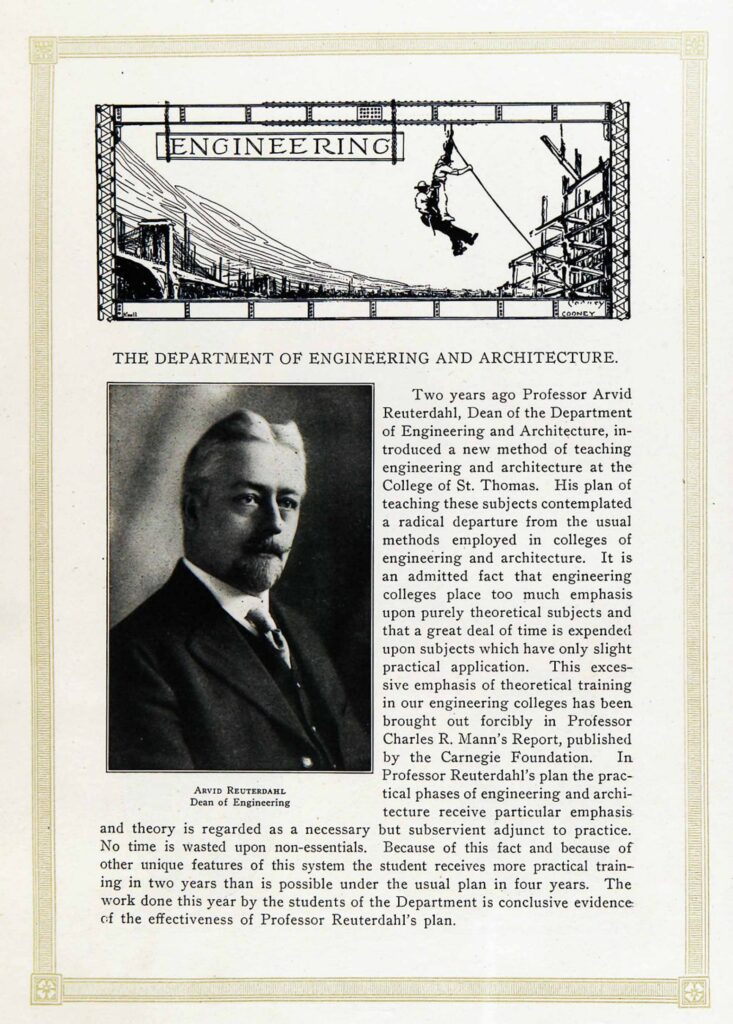
The story actually begins more than 40 years ago. The College of St. Thomas first offered engineering courses in 1918 under founding dean Arvid Reuterdahl. The Department of Engineering and Architecture emphasized practical applications and quickly grew to encompass as much as 25% of the student population. When enrollment declined after 1922, the program eventually ceased operations before returning seven decades later.
In 1985, St. Thomas responded to industry demands with the Master of Manufacturing Systems Engineering program. Developed with input from local industry leaders, the program helped engineers, supervisors and managers understand manufacturing from a systems perspective, combining technology, operations, management and human resources.
With evening and weekend classes in St. Paul and in communities such as Chaska, Hutchinson and Owatonna, which were close to workplaces, the program earned ABET accreditation in 1991, with more than 200 graduate students enrolled annually.
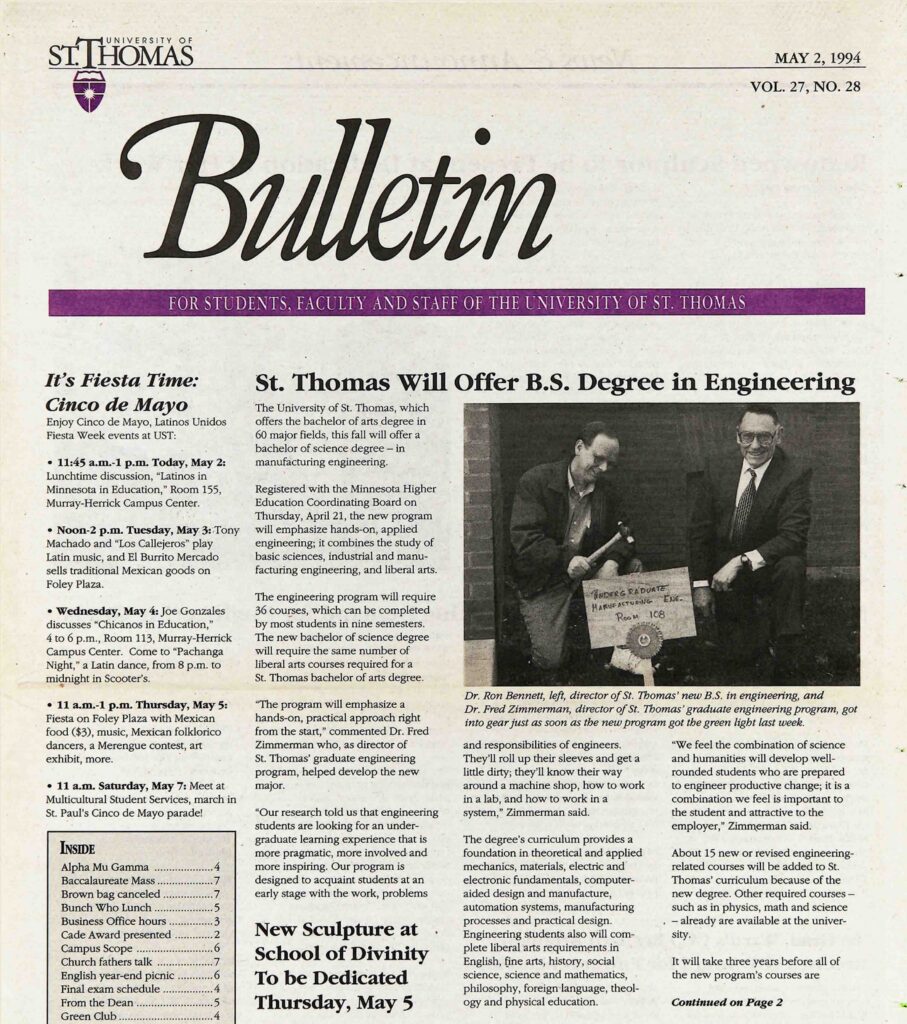
By the 1990s, employers were looking not only for experienced professionals seeking advanced training, but also for graduates prepared to enter the workforce with practical engineering skills. St. Thomas responded by launching its first undergraduate engineering programs, beginning with manufacturing engineering in 1994, mechanical engineering in 1998 and electrical engineering in 2001.
As technology reshaped nearly every industry, the boundaries between computer science and engineering also began to blur; once again, St. Thomas evolved accordingly. In 2010, the university merged its Graduate Programs in Software—which was also launched in 1985 within the College of Arts and Sciences—with Engineering, creating a home for professionals developing expertise in software engineering, data science and other emerging fields where computing and engineering increasingly intersect. Today, the combined Software Engineering and Data Science program covers a wide range of software professional interests, offering four master’s degrees and eight graduate certificates.
Hands-on learning
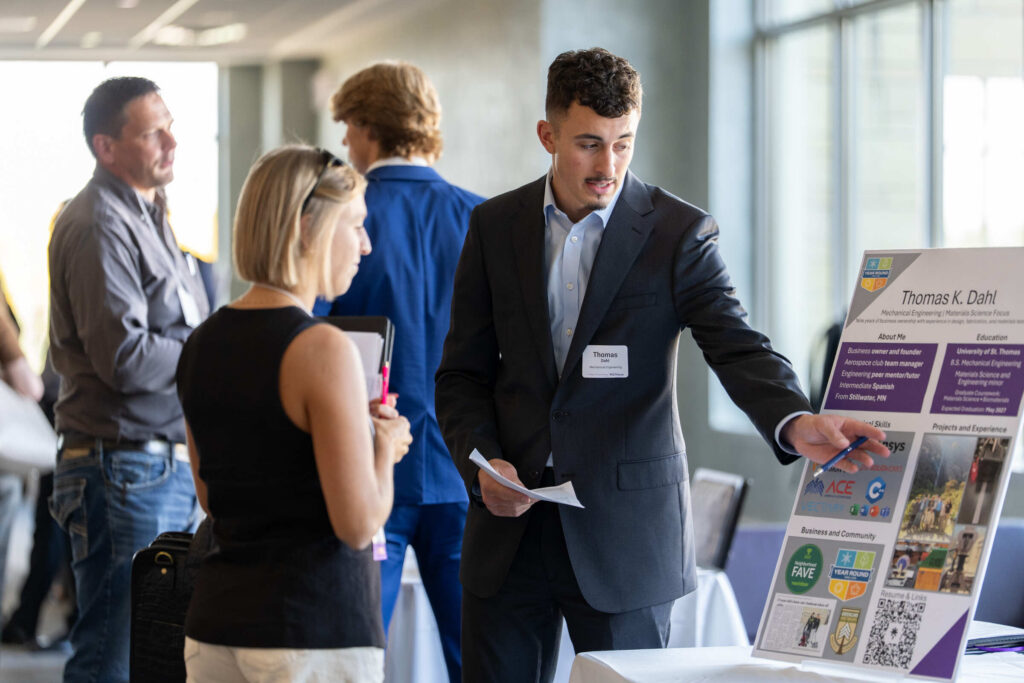
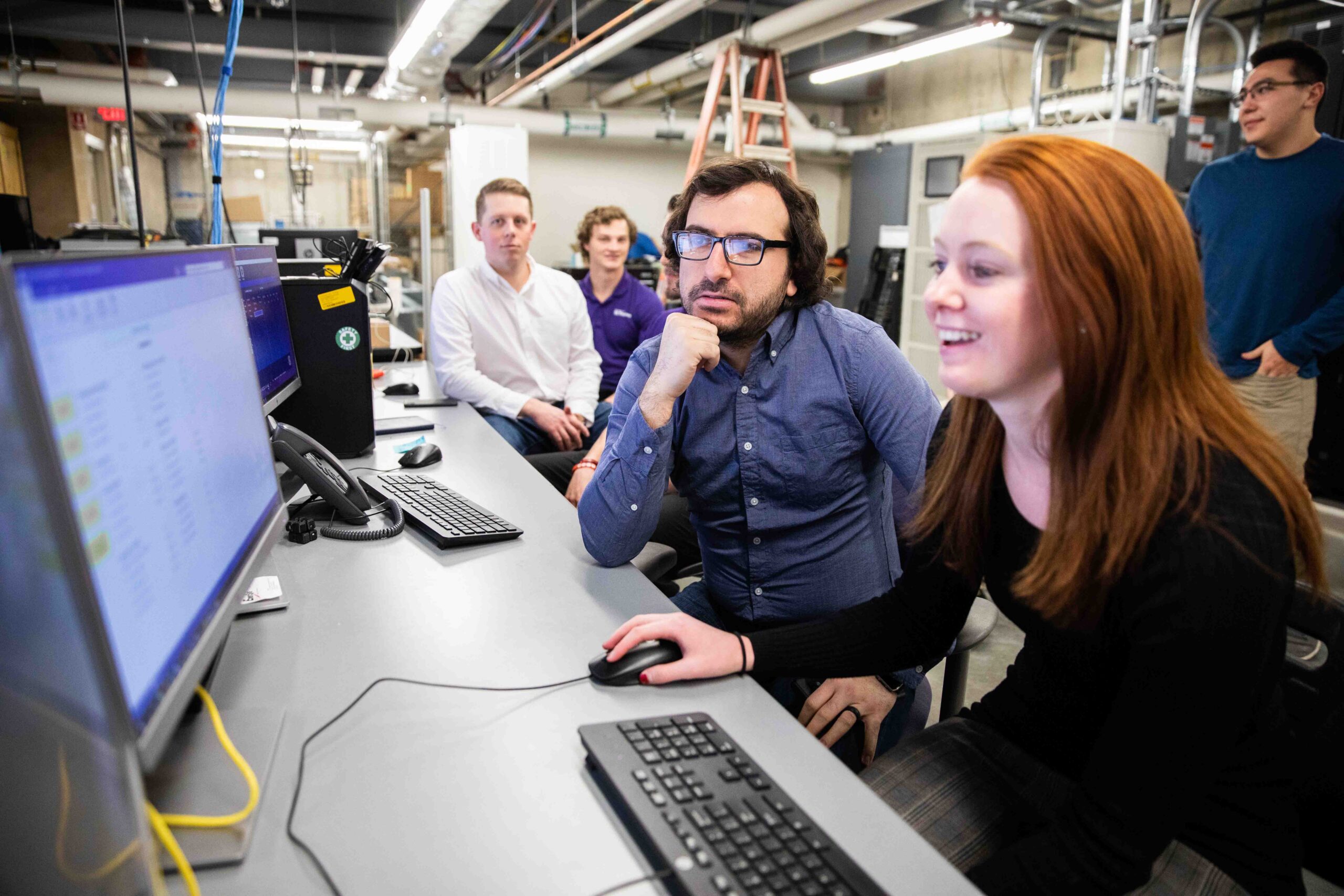
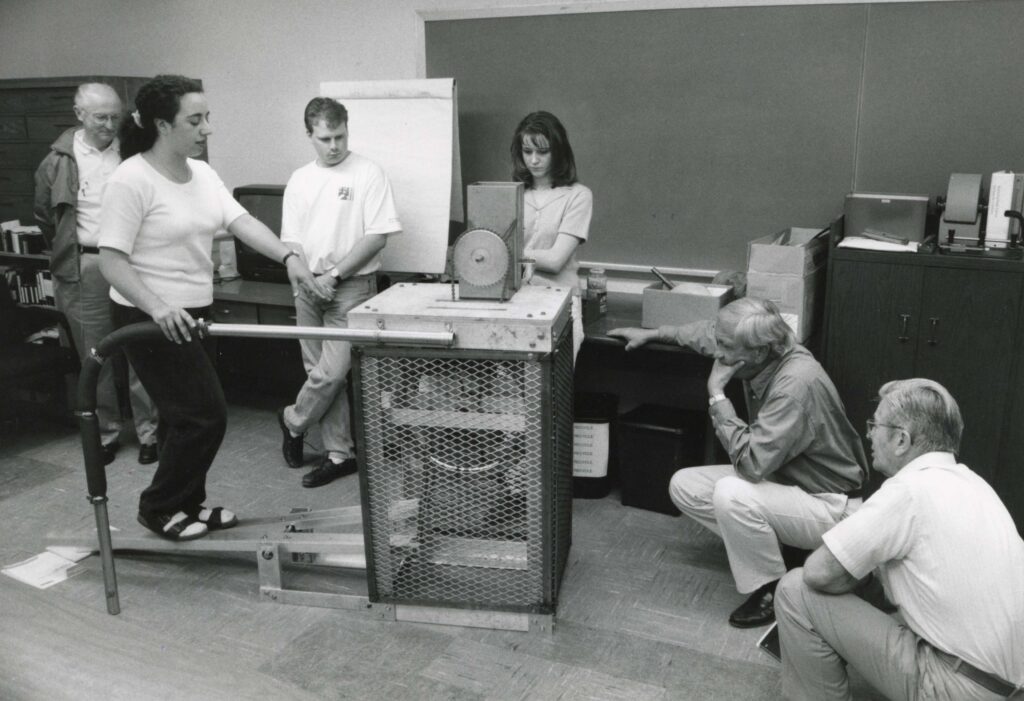
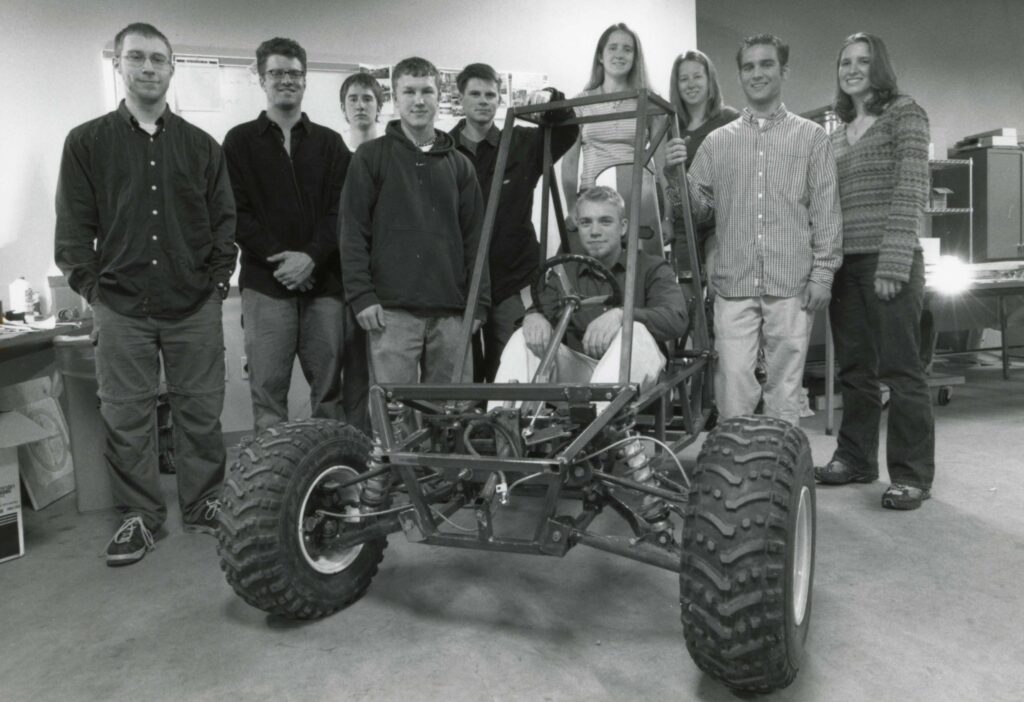
These programs also were built around hands-on learning and close connections with industry, allowing students to engage with real-world engineering problems throughout their education.
One tradition that emerged during those early years remains a defining part of the experience today: The Senior Design Clinic.
Through the Senior Design Clinic, students spend two semesters working with industry partners to solve real engineering challenges, applying classroom knowledge to projects involving design, testing, manufacturing and project management.
Over the years, hundreds of Minnesota companies have participated, creating a direct link between student learning and industry needs.
“I feel like the Senior Design Clinic is so helpful and important for students to take because it really helps to prepare you for the transition between school life and work life,” said Allanah Wahlquist whose 2021 team redesigned a product used in jet engine test stands. “The Senior Design Clinic was a good mix of feeling like a class, but also like a job.
The continued growth of students, programs and industry partnerships led to another milestone in 2004: the creation of the School of Engineering, bringing undergraduate and graduate programs together under a single academic unit.
The "mission is to prepare students to meet the needs of Minnesota industry,” said founding dean Ronald Bennett during his last year as dean, having served from 1995-2008. "Minnesota's economic strength begins with education."
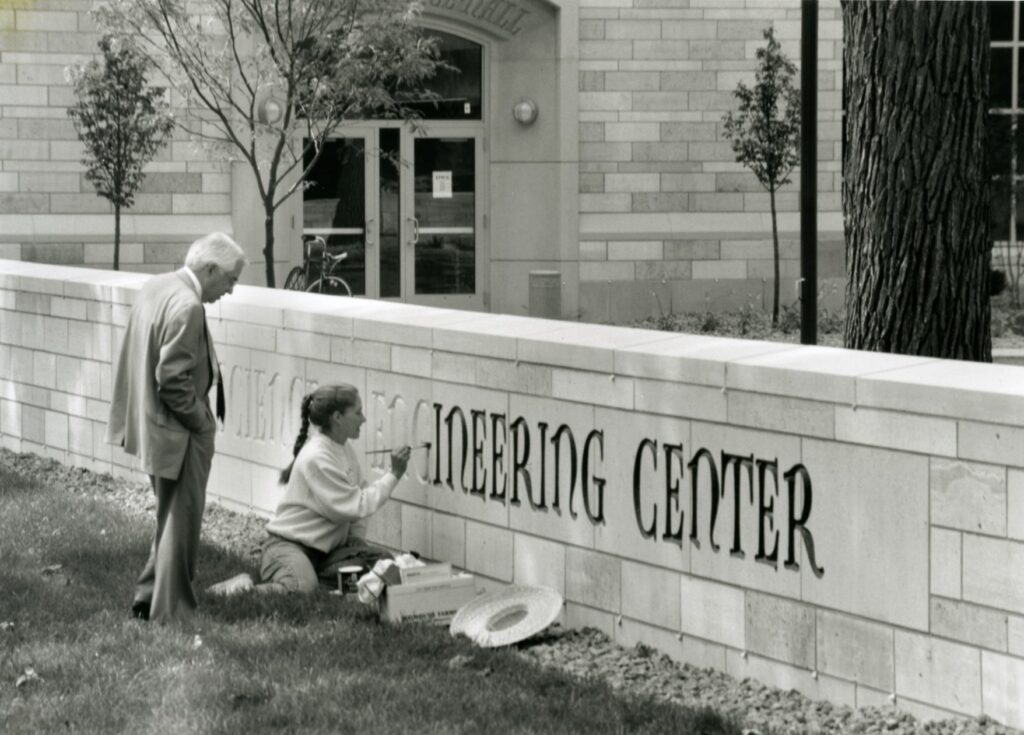
As technology evolved, St. Thomas added new programs in software, computer engineering and civil engineering, while graduate offerings evolved to include areas such as artificial intelligence, data science and information technology.
The school's physical footprint grew alongside its academic offerings, eventually expanding its dedicated laboratories, design studios and research facilities, from the Frey Science and Engineering Center to the Facilities Design Center and, most recently, the Schoenecker Center. Together, these spaces reflect the same philosophy that has guided engineering at St. Thomas for four decades: learning by doing.
Looking ahead
Today, the challenges facing engineers look very different than they did in 1985. Questions surrounding energy resilience, artificial intelligence, advanced manufacturing and sustainable infrastructure are reshaping industries around the world. Still, the college’s approach remains familiar: bringing students, faculty and industry together to solve real-world problems.
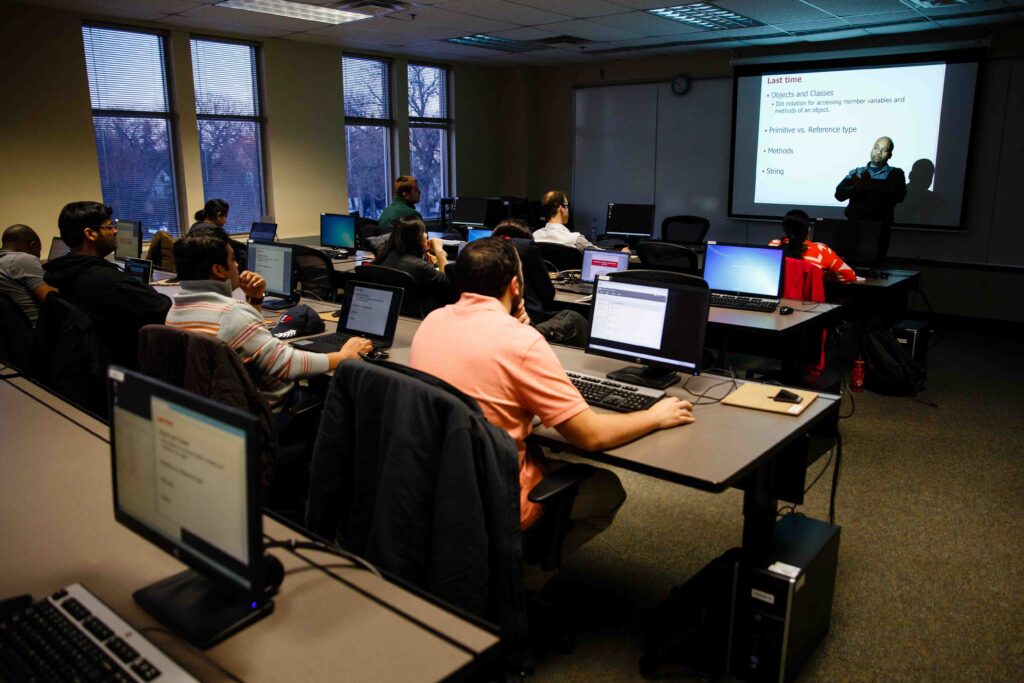
One of the latest examples can be found at the Center for Microgrid Research, where students, faculty and industry partners are working together to advance research and education in next-generation energy systems. New state and federal investments will expand both the center's programming and its microgrid capabilities, creating new opportunities for hands-on learning and applied research.
"We're setting people and our society up for the future through our students," said Dr. Mahmoud Kabalan, director of the Center for Microgrid Research. "We're producing people who will go out and be leaders in the field with very strong technical backgrounds."
Forty years after engineering returned to St. Thomas, that goal remains remarkably consistent.
Technologies and classrooms have changed, but the commitment to preparing engineers through real-world experience continues to define the program.