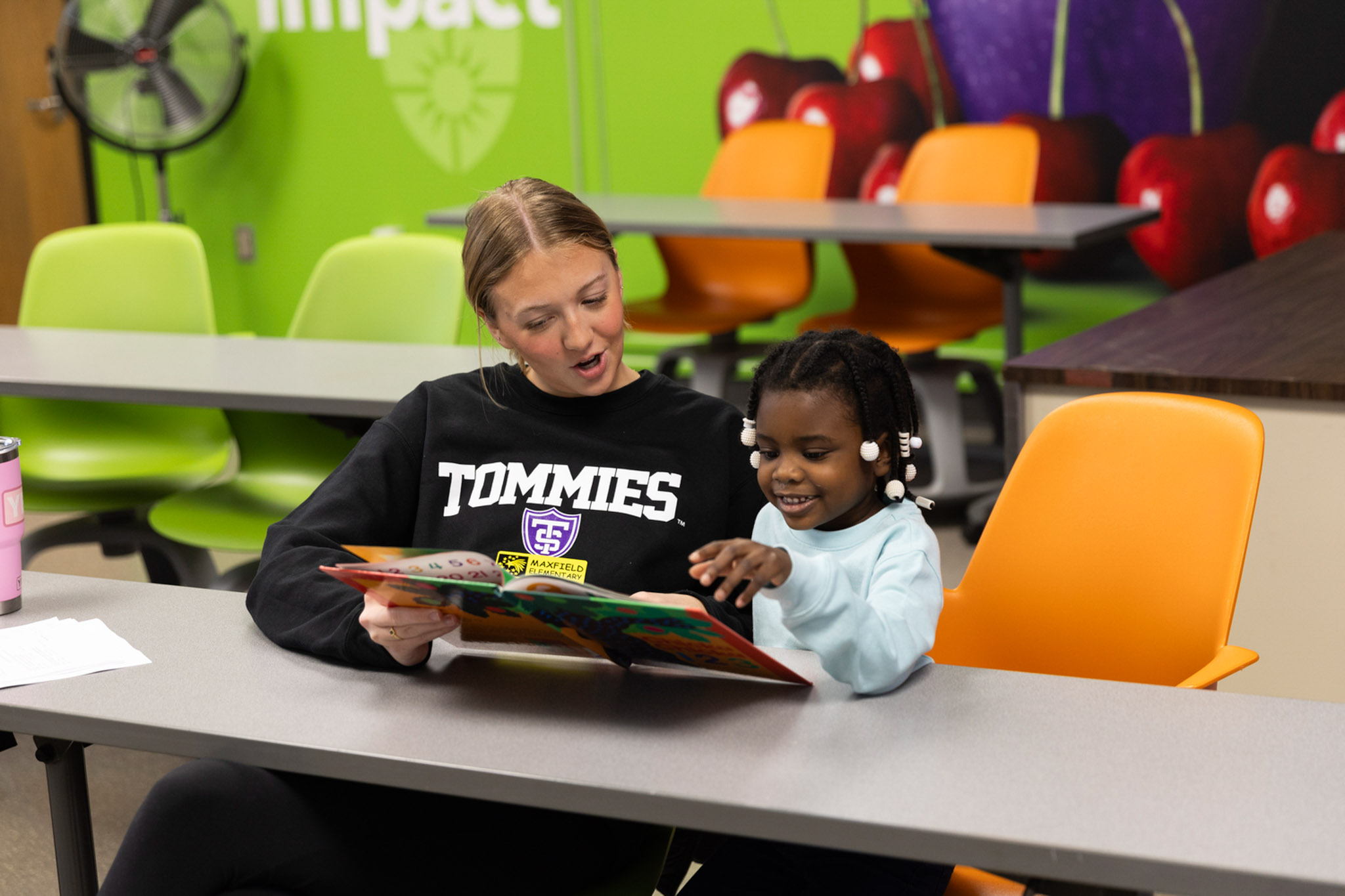
For 75 years, the University of St. Thomas School of Education has prepared educators and leaders who have shaped classrooms, schools and communities across Minnesota and beyond. What began in 1950 as the university’s first graduate degree program—with about 30 students enrolled in evening, weekend and summer classes—has grown into a nationally recognized school offering graduate programs in teacher education, special education and educational leadership.
Built on an undergraduate teacher preparation program dating to 1921, the School of Education has continually evolved to meet changing needs. Its first Master of Education program was among St. Thomas’ earliest coeducational offerings, welcoming women before the university became fully coeducational. Leaders such as Dr. William Oden, one of St. Thomas’ first Black faculty members and later dean of the School of Education, helped broaden access and opportunity.
Each generation of School of Education leaders has had to anticipate what educators, students and communities would need next. These leaders built the foundation for future educators.
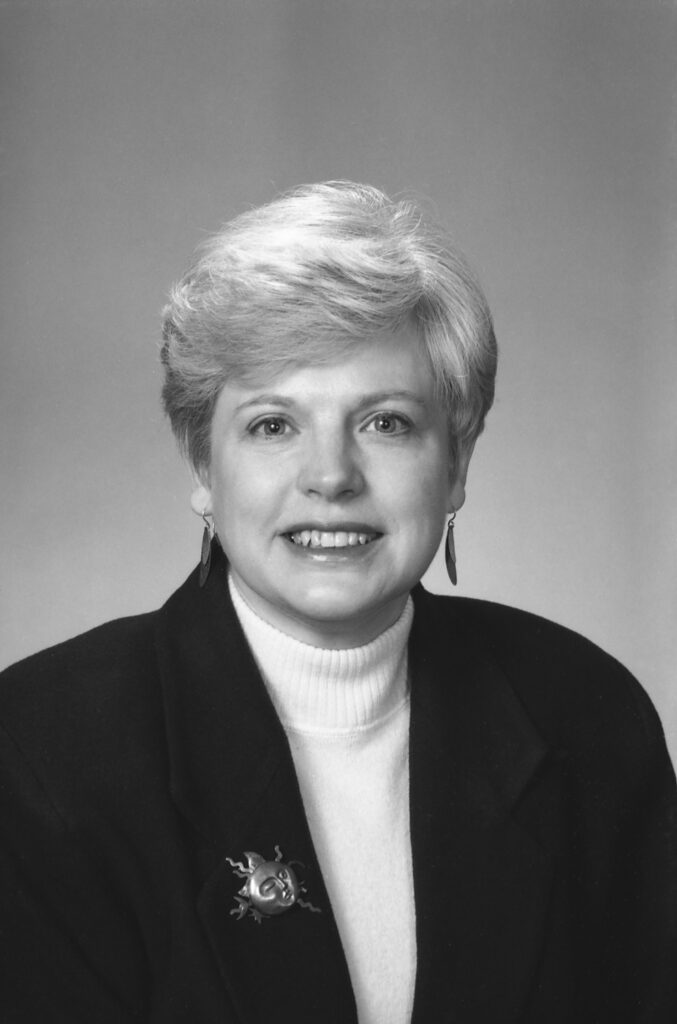
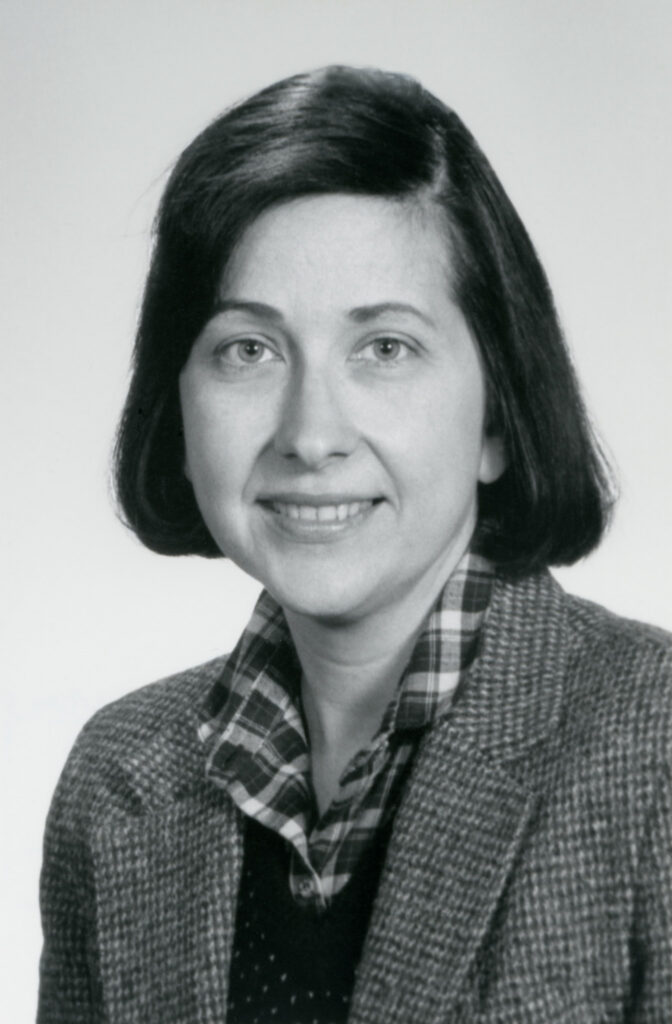
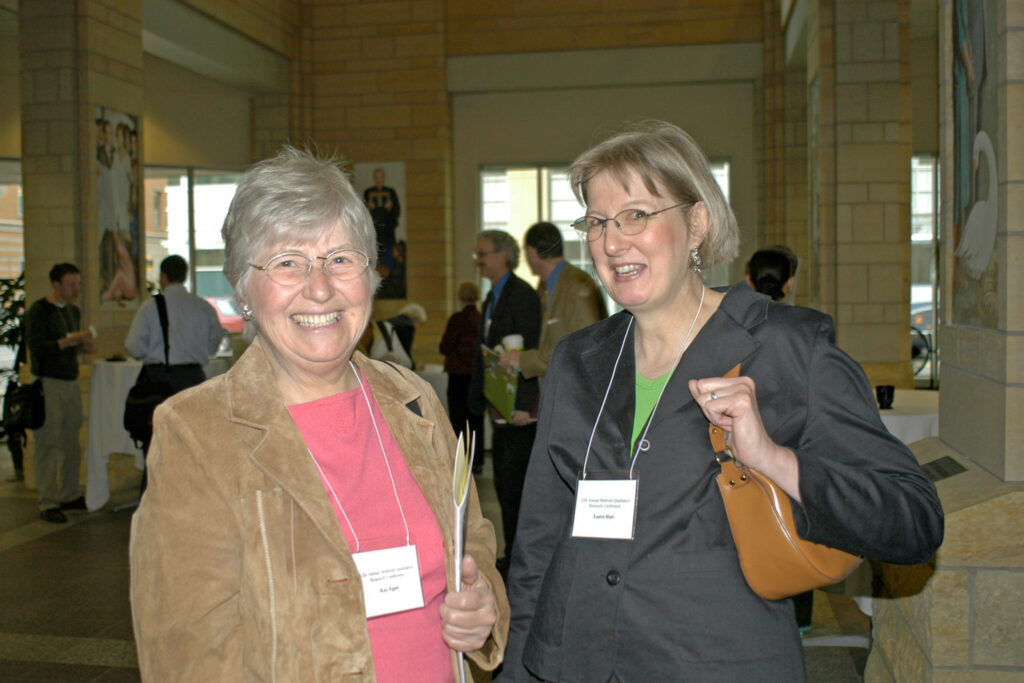
View gallery to read about the Matriarchs.
Building the Foundation: Drs. Sue Huber, Miriam Williams & Kay Egan
While countless faculty and staff have shaped the School of Education, three women helped establish the culture that continues to define it today. Drs. Sue Huber, Miriam Williams and Kay Egan led in different capacities, but together they created an environment known not only for teaching excellence, but for developing people.
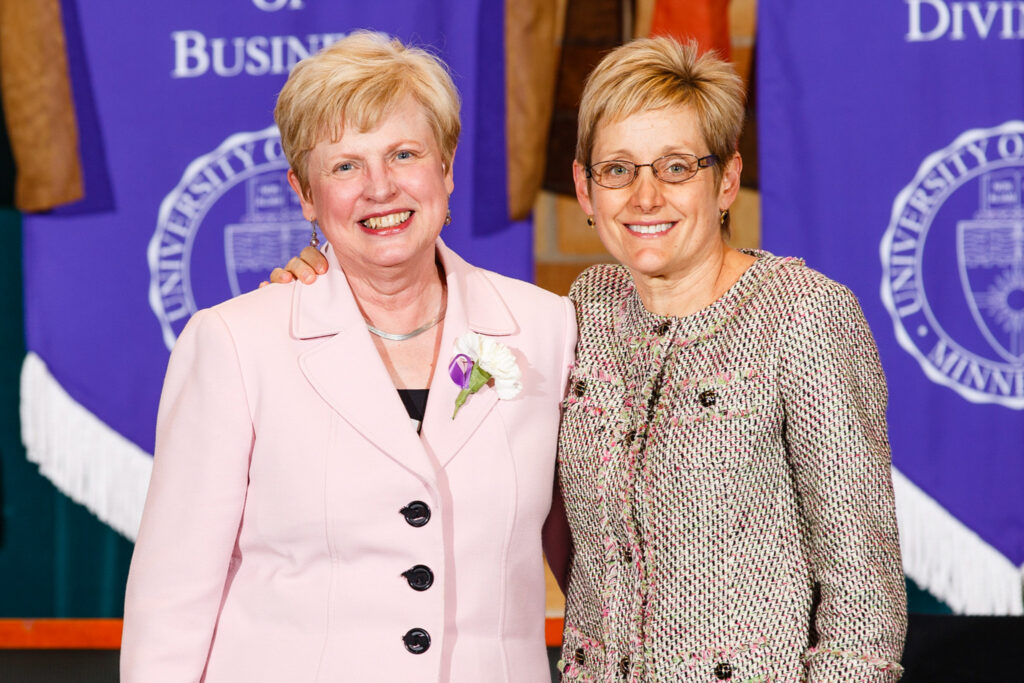
“All three women provided strong models for what a leader looks like today,” said School of Education Dean Dr. Amy F. Smith, who models her own leadership after them. “They led collaboratively and elevated people around them according to their strengths.”
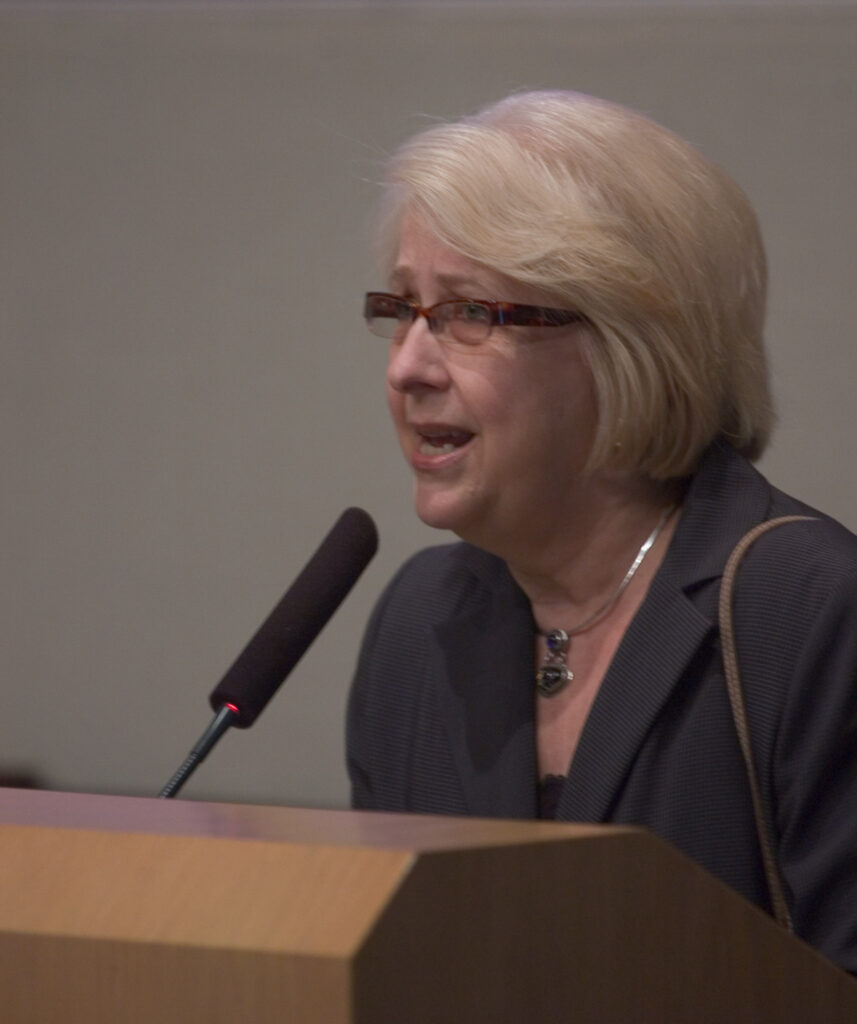
Huber joined the St. Thomas faculty in 1992 before serving as dean of the College of Applied and Professional Studies and later as executive vice president and provost. Her career elevated the School of Education’s visibility across the university. Smith remembers Huber especially for recognizing potential in others: “Sue was very good at sensing the gifts and talents of those around her and helping people flourish in the roles they were in.”
Williams, a former School of Education dean and later associate vice president for academic affairs, also shaped Smith’s career by hiring her and opening a tenure-track position. “She made possible the career that I’ve had,” Smith said.
Egan strengthened the School of Education’s connection to local Catholic schools, establishing a strong presence within the Archdiocese and across Twin Cities Catholic schools. Together, the three cultivated a culture of collaboration, mentorship and innovation rooted in recognizing people’s strengths and creating opportunities for them to flourish.
Living the Mission: Dr. Bruce Kramer
If Huber, Williams and Egan helped build the School of Education’s culture, Dr. Bruce Kramer demonstrated what that culture looked like in practice. As a professor and the dean from 2008-2012, Kramer was known for his commitment to students and forging partnerships with the surrounding community.
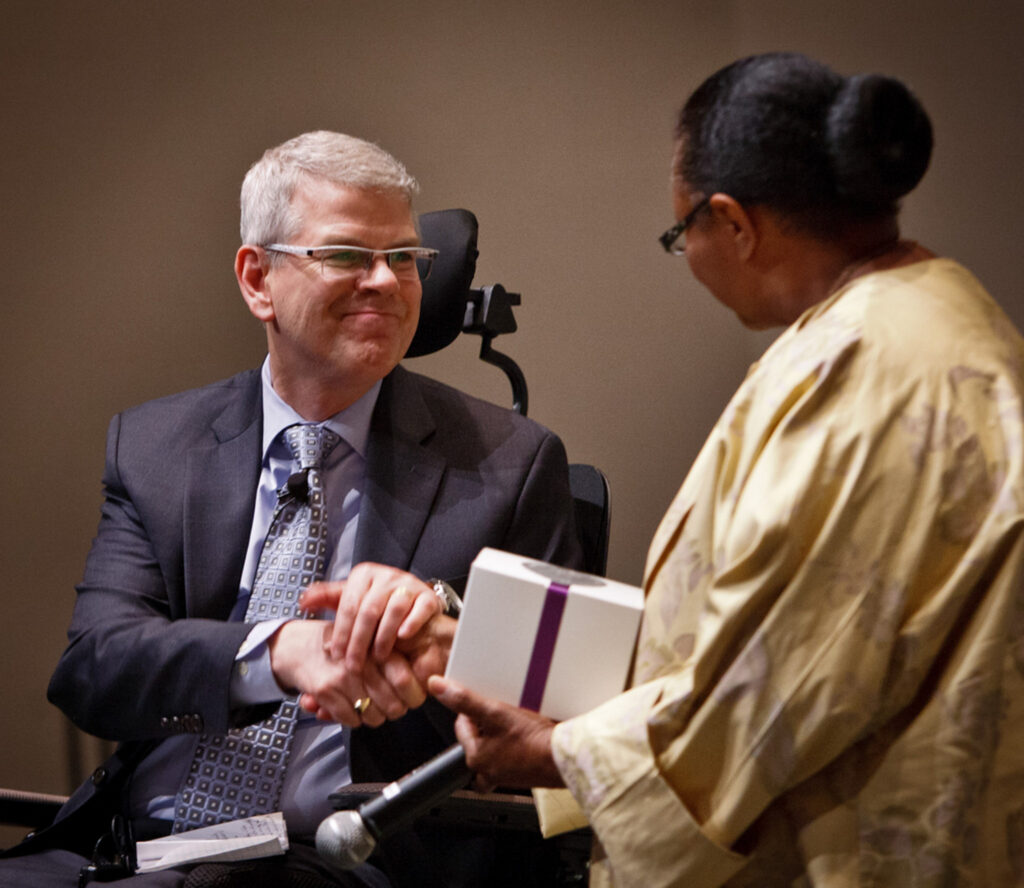
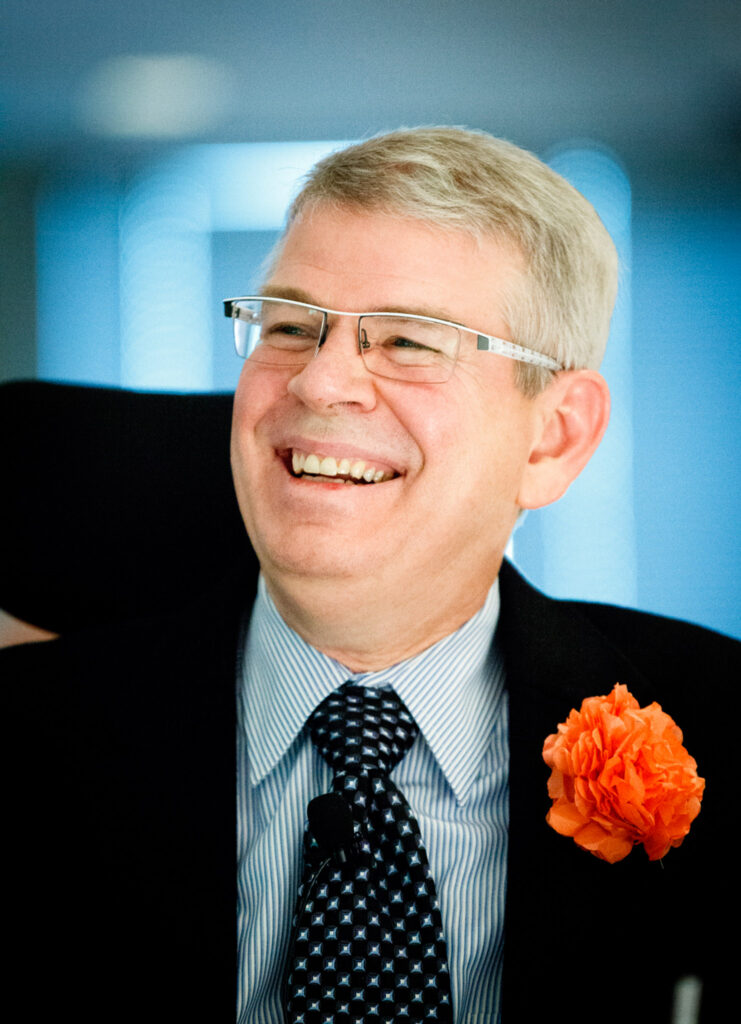
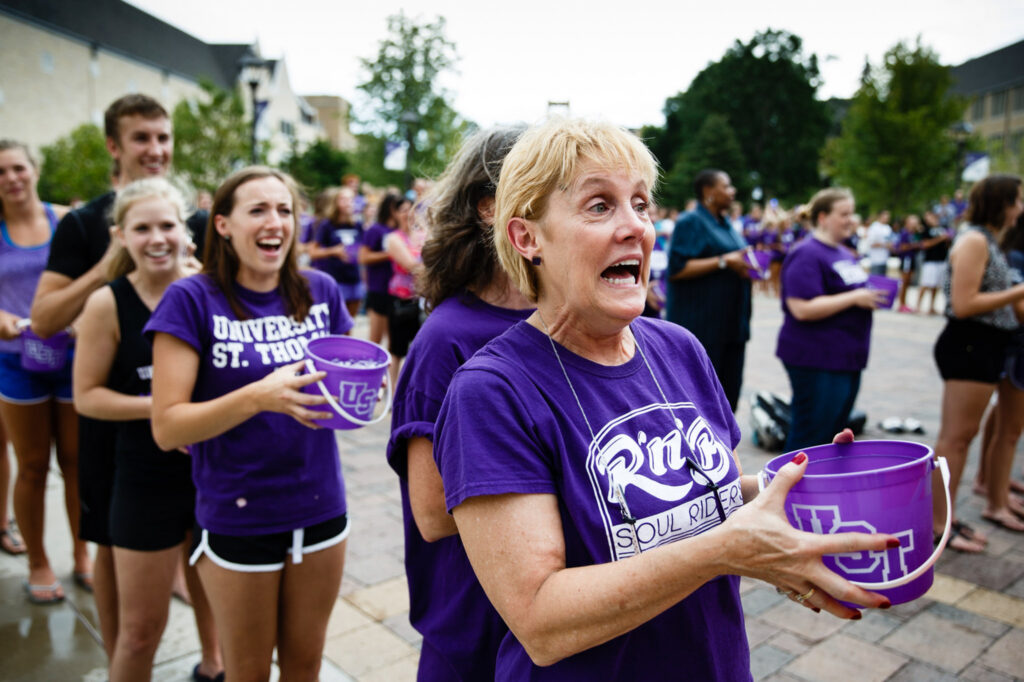
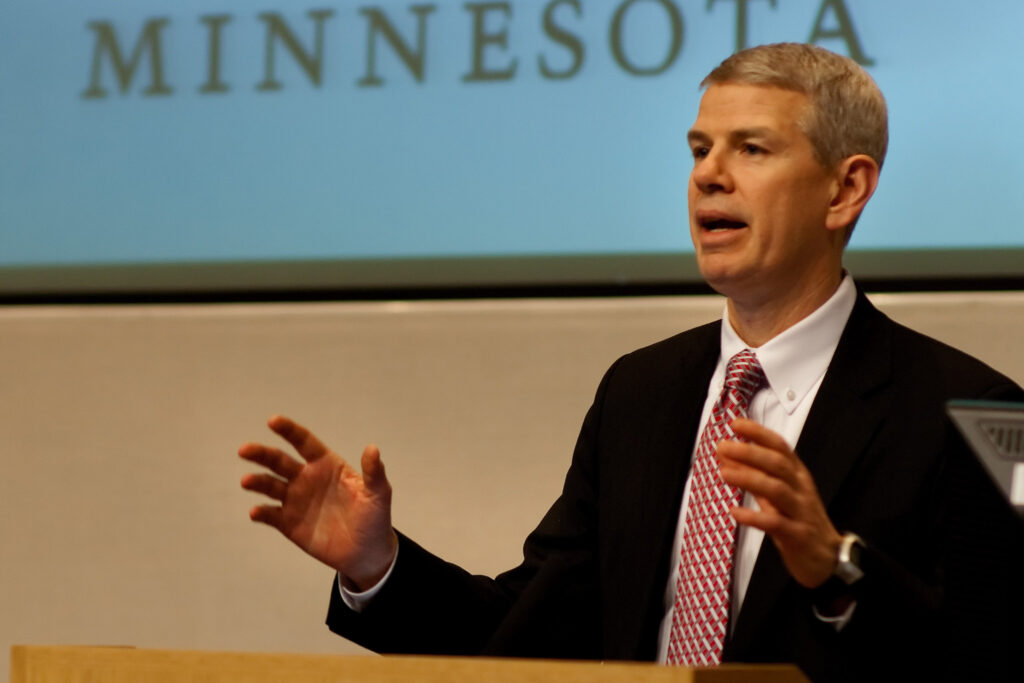
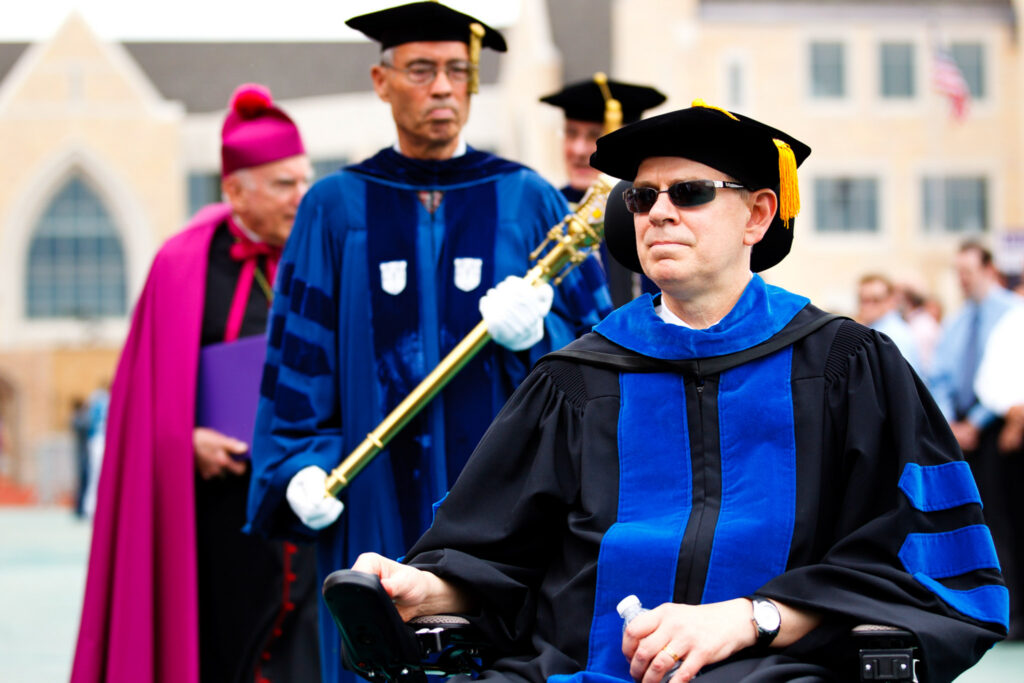
Explore the gallery to learn more about each image of Dr. Bruce Kramer.
He helped establish the school’s charter school authorizing program and launched the Boys Summit, which continues today to inspire young men of color to pursue college.
Kramer also guided the school through significant organizational change, serving as dean as it became part of the College of Applied and Professional Studies and later helping establish the College of Education, Leadership and Counseling as its first dean. Throughout those transitions, he emphasized relationships and a shared college identity.
After his ALS diagnosis in 2010, Kramer transformed his experience into one final act of teaching through a Minnesota Public Radio series, a blog and the memoir We Know How This Ends: Living While Dying. After his death in 2015, former St. Thomas President Julie Sullivan said the way he faced terminal illness “with perseverance, wisdom and grace” would long inspire the university community.
Expanding the Vision: Dr. Kathlene Holmes Campbell
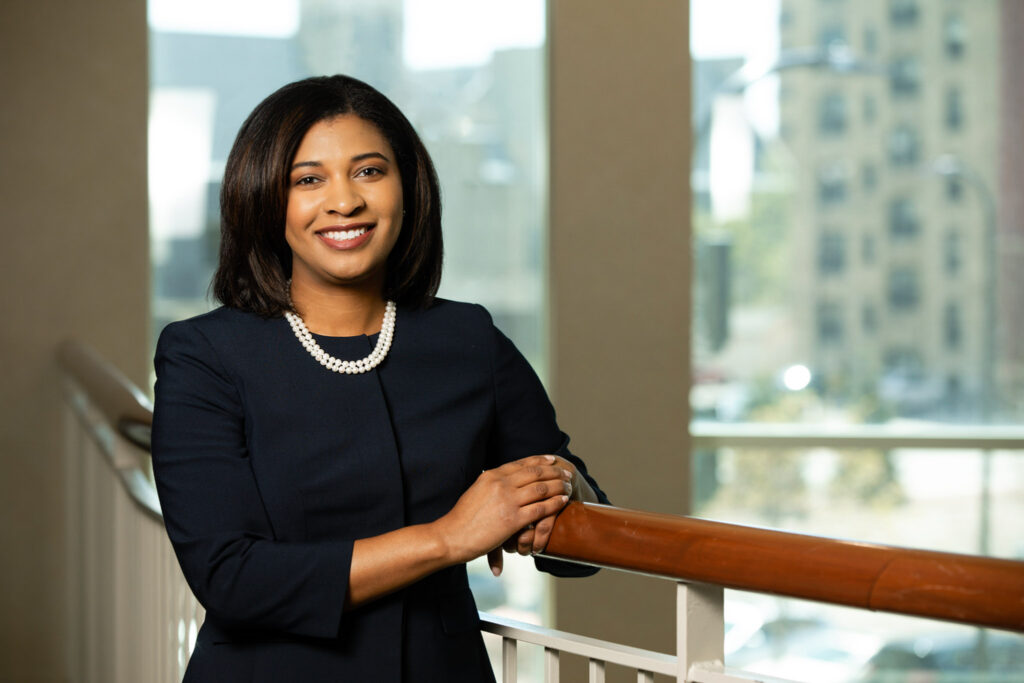
When Dr. Kathlene Holmes Campbell became dean in 2019, she honored the School of Education’s legacy while helping chart its future. Under her leadership, the School of Education re-emerged as a standalone school, elevating its visibility and positioning it for growth.
Campbell articulated a vision centered on promoting excellence, preparing tomorrow’s leaders, connecting with communities and helping learners and educators thrive. Her leadership paired that vision with action.
She launched the Minnesota Institute for Trauma-Informed Education, expanded teacher residency pathways to address teacher shortages, strengthened efforts to diversify the educator workforce and created the Dean’s Forum series. She also represented St. Thomas at national convenings, including one hosted by the Bill & Melinda Gates Foundation.
After completing her service as dean, Campbell joined the University of St. Thomas Board of Trustees. Like the leaders before her, she believed the school’s greatest impact would come through partnerships, investment in people and a willingness to rethink how educators are prepared.
Building the Future: Dr. Amy F. Smith
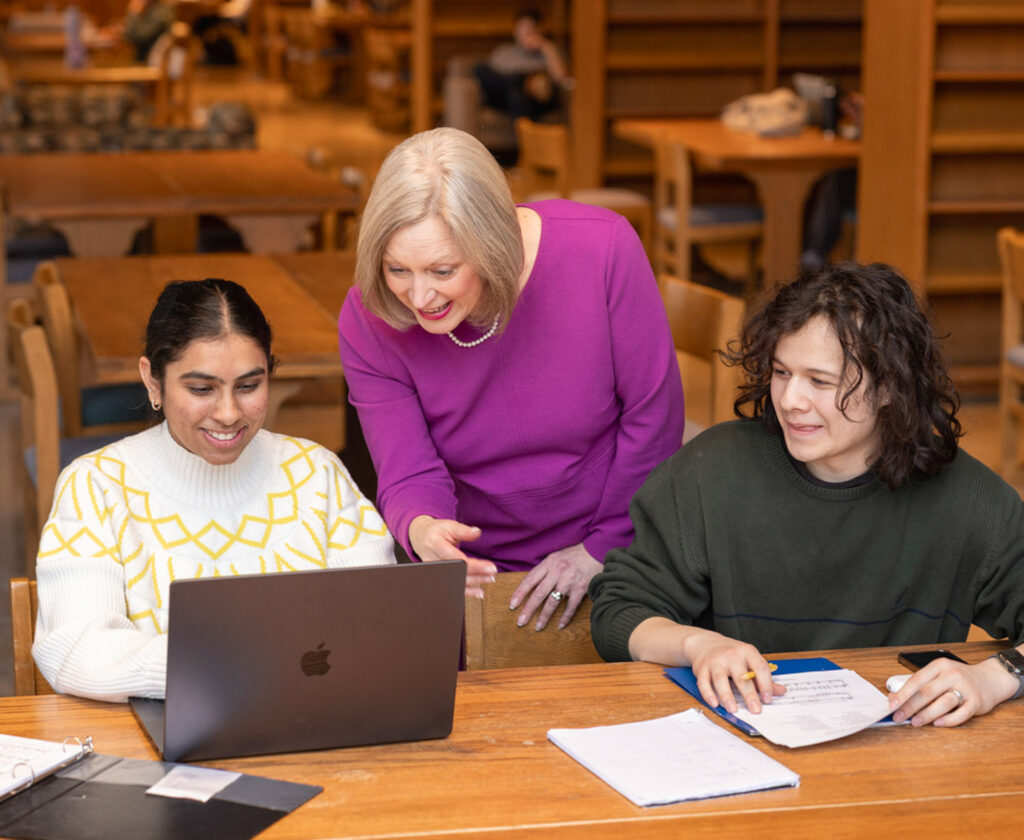
As Dean Amy Smith reflects on the School of Education’s 75th anniversary, she sees more than a milestone. She sees a legacy of leaders who kept asking what educators, students and communities would need next. Looking back reinforced something she has long believed: innovation has always been part of the school’s identity.
That same collaborative spirit is shaping today’s work, including the Maxfield Collaborative Learning School, two new AA-to-BA pathways for future educators, and Catholic teacher pipelines. “The legacy of everyone who came before positioned us so beautifully to continue to be innovative,” Smith said. “Innovation was turned into vision."
That vision now includes deeper community partnerships, team-based staffing models and new ways of designing K-12 schools to support joyful classrooms. Yet Smith believes the school’s greatest strength has never been a single program or initiative. It has been its people.
“This moment does not belong to us alone,” she said during the School of Education’s 75th anniversary celebration.
Looking back, Smith sees both a gift and a responsibility: to build on a legacy of innovation so future educators will recognize the same commitment to preparing teachers and educational leaders who flourish.
“And if this is what 75 years looks like, I can’t wait to see what we build next—together.”
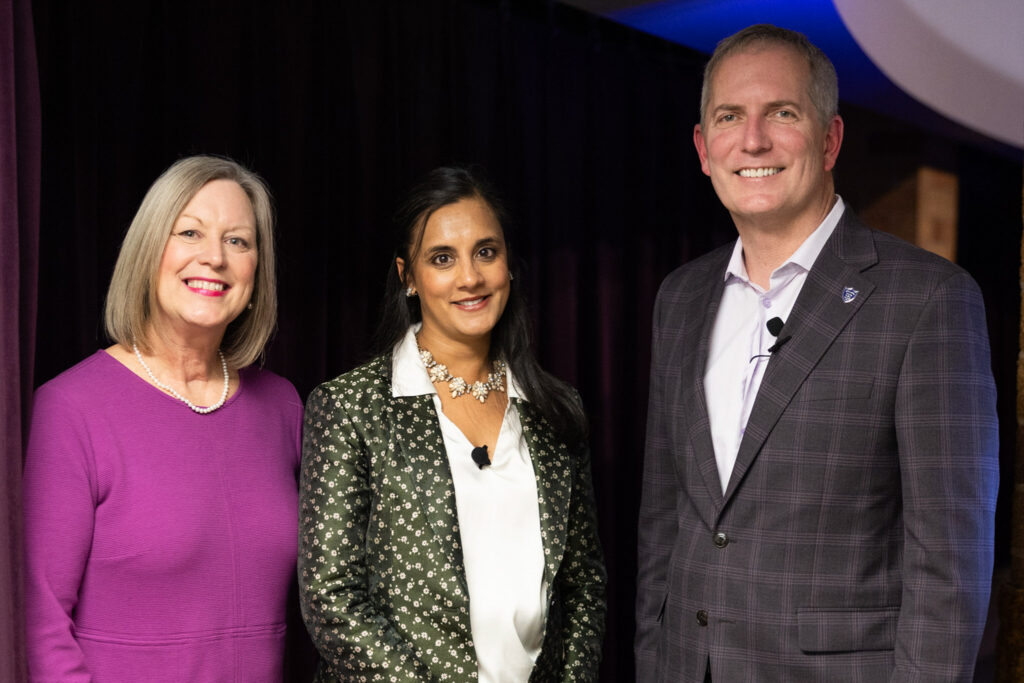
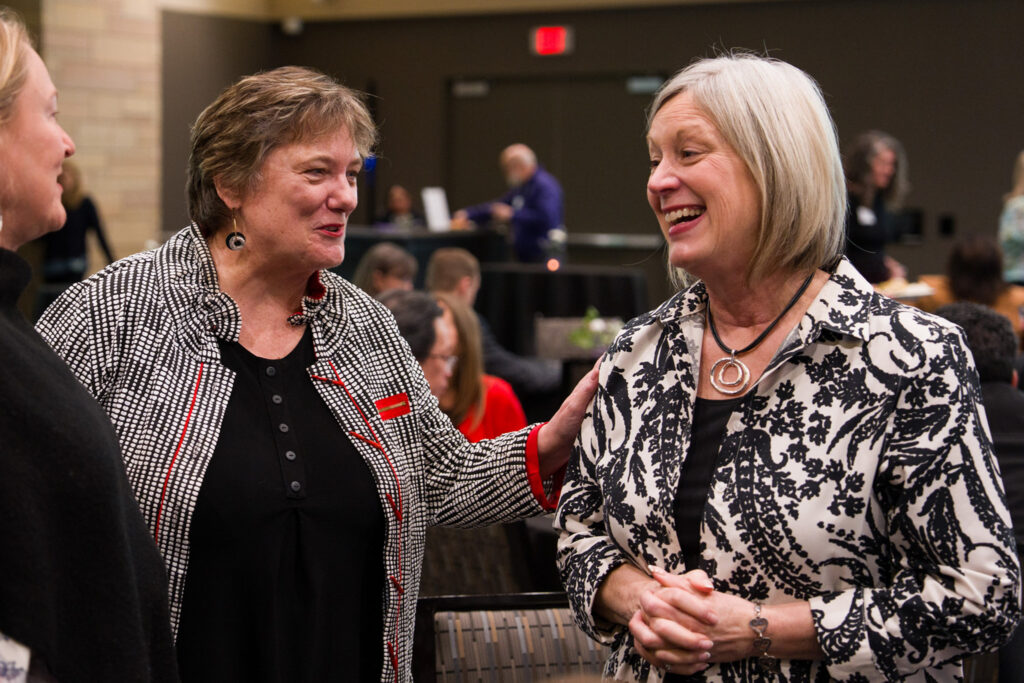
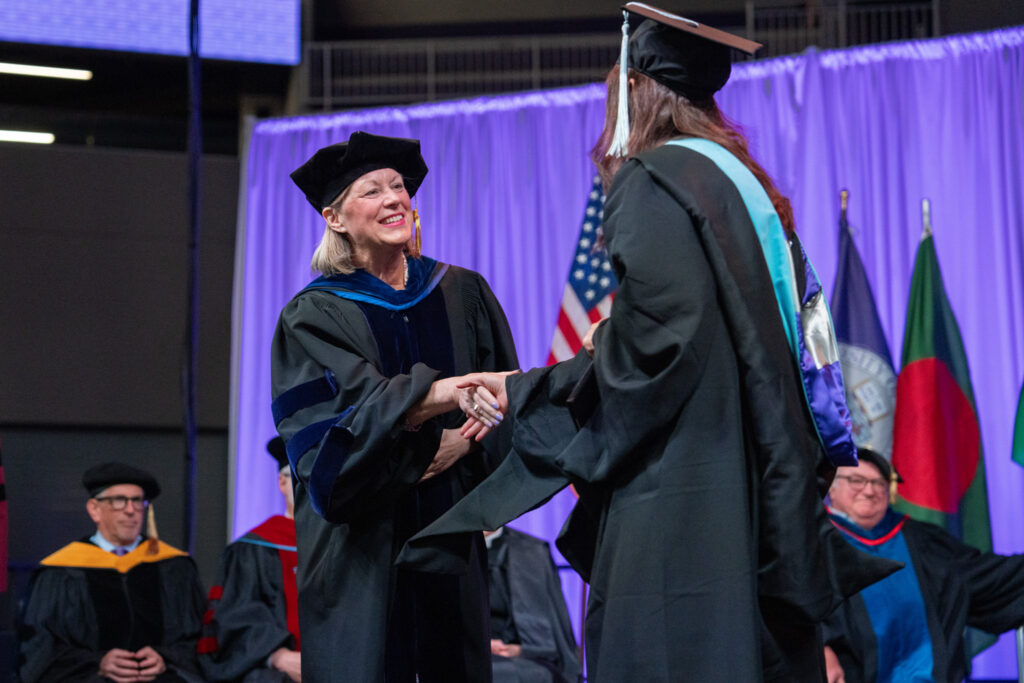
View the gallery to learn more about this collection of images featuring current Dean Amy Smith.