University of St. Thomas President Robert K. Vischer says higher education should prepare students for more than their first job. Colleges should help students develop the skills, relationships and sense of purpose they need to flourish throughout their lives.
“We are always telling students to lift their gaze in terms of your time at St. Thomas,” Vischer said. “We do really well placing our students in jobs, but we are here to equip and empower our students for lifelong flourishing.”
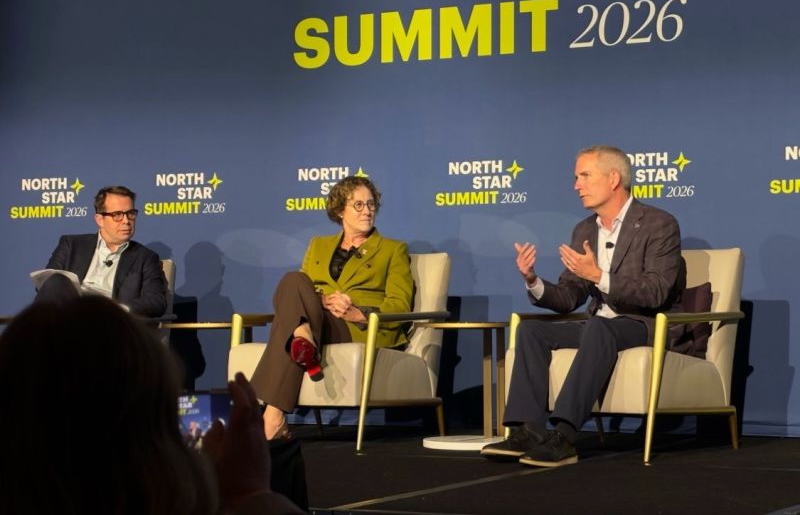
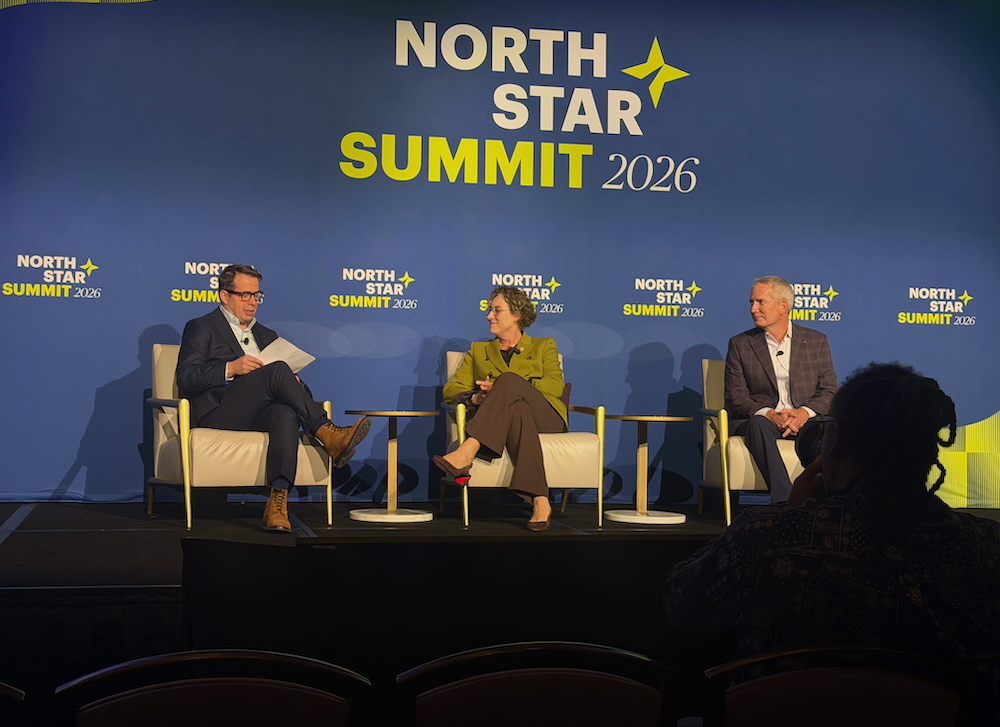
That idea shaped many of Vischer’s comments Sept. 22 at the North Star Summit, an annual leadership forum presented by the Minnesota Star Tribune. Vischer joined University of Minnesota President Rebecca Cunningham and Minnesota Star Tribune’s Andrew Putz for a conversation about the future of higher education, including declining enrollment, artificial intelligence and questions about the value of a college degree.
Higher education and economic mobility
Vischer said colleges have a responsibility to help elected officials better understand the role higher education plays in workforce development and economic mobility, particularly at a time when skepticism toward colleges is coming from across the political spectrum.
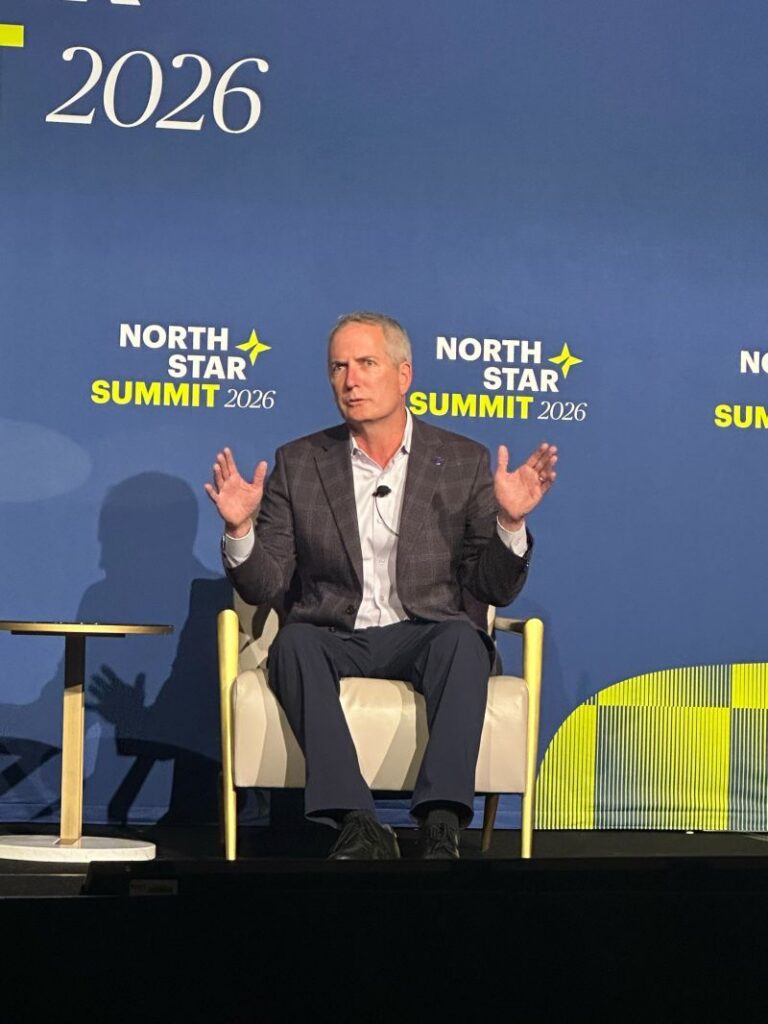
“Part of our responsibility that we’re working hard on is educating both state legislators and federal legislators on the value of higher ed., on the reality of what we’re doing, and the fact that if you put private higher ed. to the sidelines, your commitments to workforce development and economic mobility are going to be severely compromised.”
He added that Minnesota’s private colleges “do incredible work every day on workforce and economic mobility” and should continue looking for ways to partner with government even as those relationships become more tumultuous.
Preparing students for an AI world
Vischer said St. Thomas is examining how artificial intelligence will affect what students learn and how academic programs should evolve.
“We want to always be asking the question: Is this conducive to the long-term well-being of our students?”
Looking Ahead
Asked where he hopes St. Thomas will be 10 years from now, Vischer returned to the idea that ran through much of the conversation:
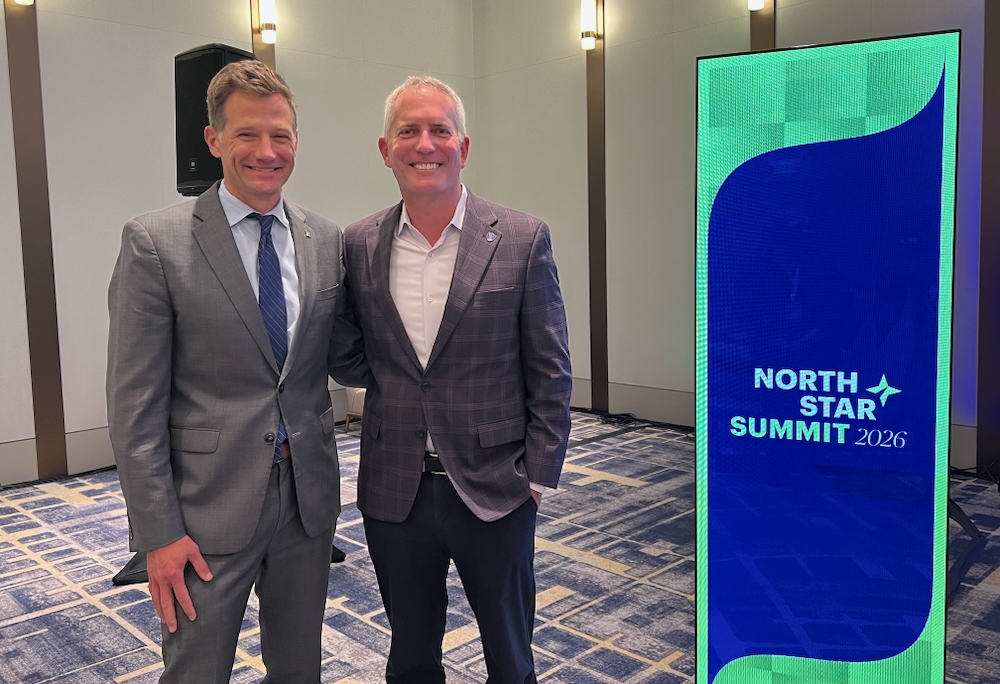
“Have we been able to adapt to the changing, evolving challenges of the world in ways that remain laser focused on whether we’re equipping our students for lifelong flourishing?”
He added that his work also comes with a sense of responsibility.
“The privilege of being able to speak to this generation of young people in ways that inspire, encourage, and connect them to a story that’s bigger than themselves, that’s something I’ll never take for granted.”