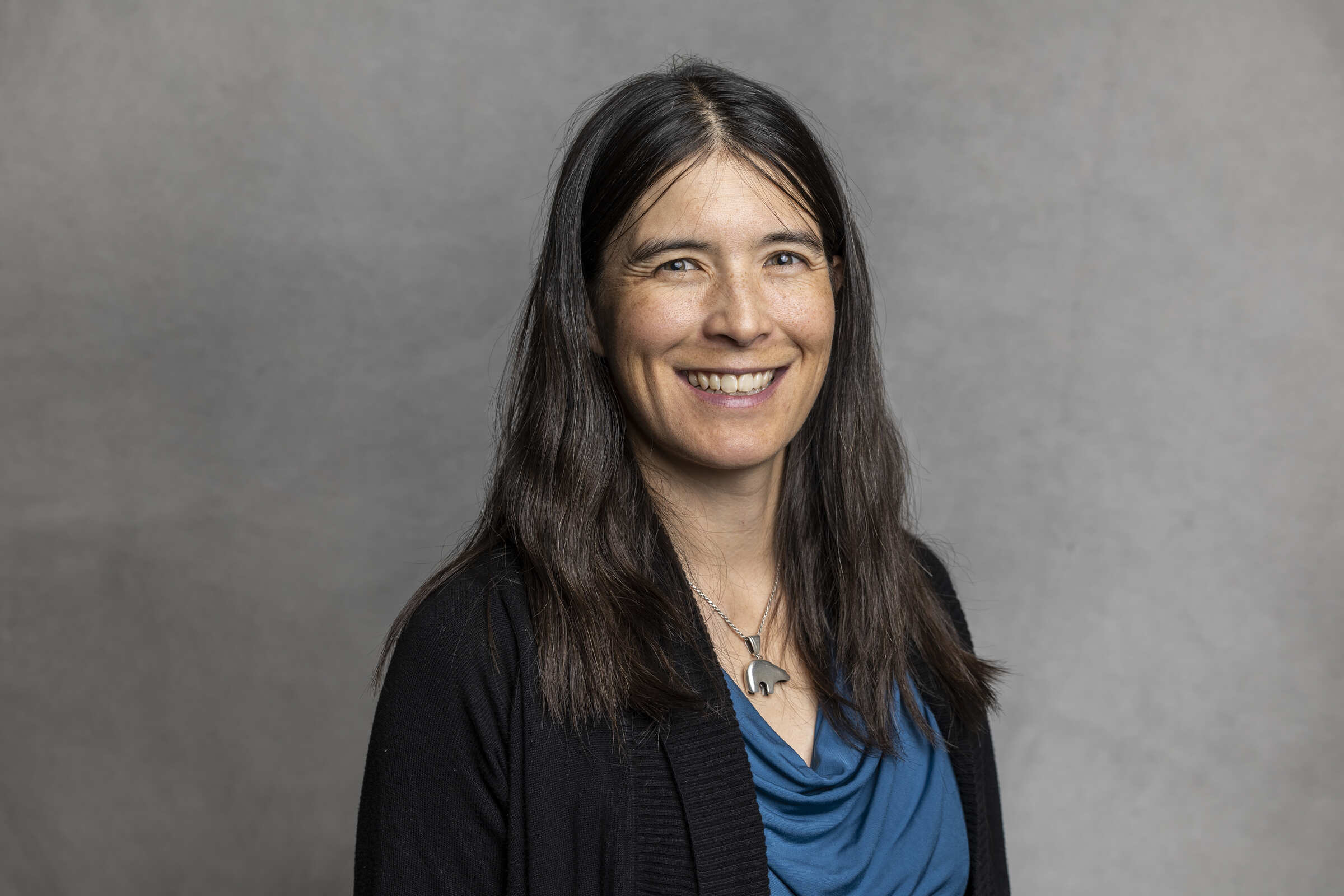
Ali Ling, assistant professor of civil engineering at the University of St. Thomas School of Engineering, joined the “Talking PFAS” podcast to discuss the true cost of removing PFAS from the environment and why reducing ongoing production is essential to avoiding an economic burden that could exceed global GDP.
From the conversation:
Kayleen Bell: So when did you first become aware of PFAS? Was it around 2015 or later?
Ali Ling: It was later than that, much later than you for sure. I started working on PFAS projects at my consulting firm around 2019. We had some industrial clients who were managing PFAS in their wastewater. Then the big study that really launched the work I am doing now came from a project we did for the Minnesota Pollution Control Agency. They wanted to estimate the costs of removing PFAS from wastewater effluent, wastewater biosolids, landfill leachate, and compost water. My firm was hired to complete that study, and I was one of the authors.
Bell: What did you first think of PFAS when you realized they were a problem for the environment and for human health? How has your view changed over the time you have been studying them?
Ling: As an environmental consultant, I worked on many types of contaminants, from metals to organic compounds to more unusual substances. When I first encountered PFAS, they just seemed like another class of chemicals. But as I got deeper into the work and read more of the scientific literature, their persistence and mobility really set them apart.
The persistence is especially significant. If we put PFAS into the environment and they never go away, that changes how we think about risk. It is not only about how these substances affect people today but also how they will affect future generations as they accumulate irreversibly.
So over time, I have come to see PFAS as a powerful example of the broader issue of how society manages chemicals. They are not the only chemicals we should be thinking about, but they can teach us an important lesson about the need for better oversight and more responsible chemical production and use.