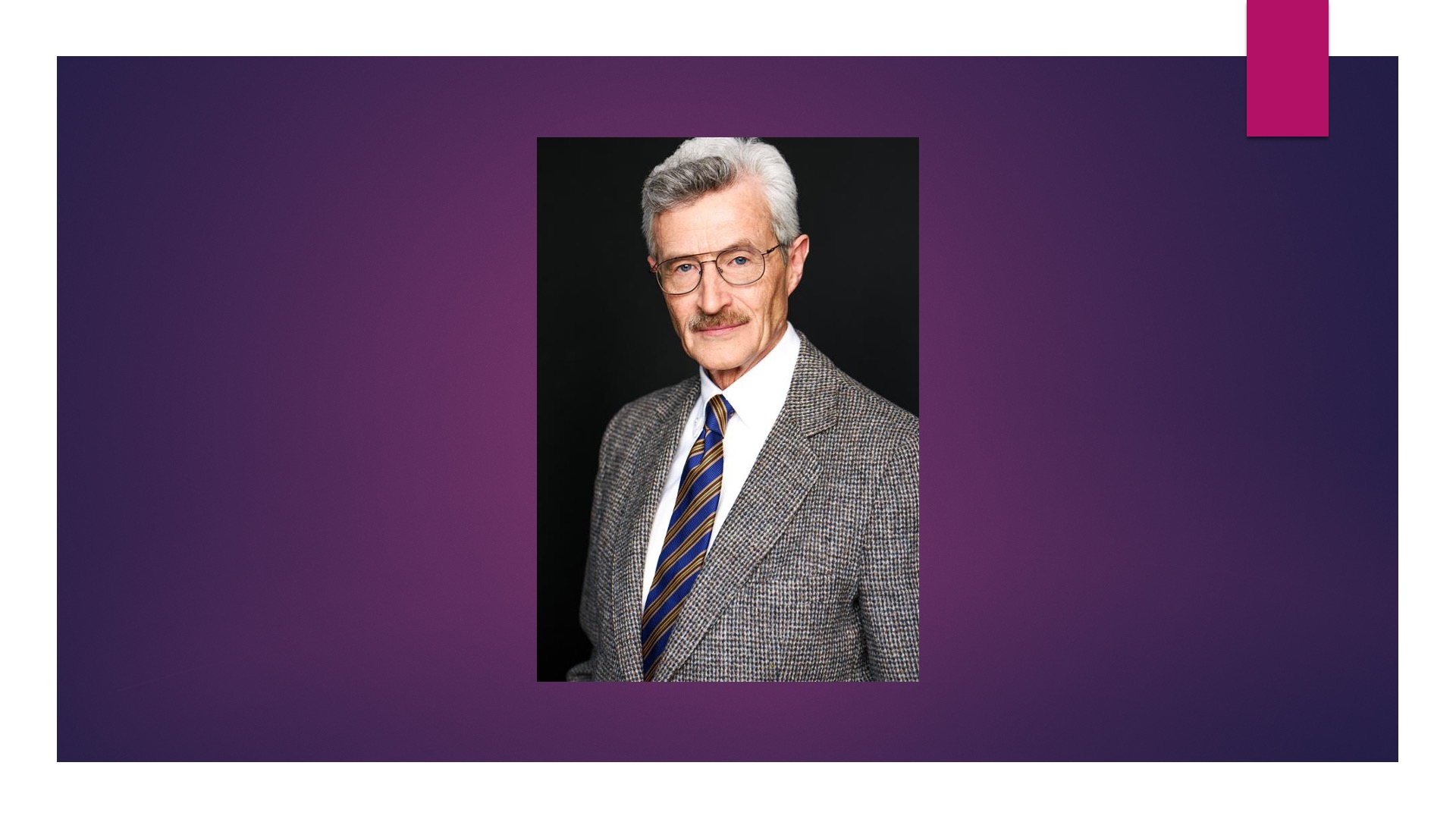
Bruce Gleason, a Minnesota musician, U.S. Army veteran and professor at the University of St. Thomas, spoke with Your Classical Radio at MPR about his new book Cold War Cadence, a memoir of his years in the 298th U.S. Army Band in Berlin. He reflects on military music, life in a divided city and what it was like to witness the fall of the Berlin Wall.

From the conversation:
Steve Staruch: Bruce, you were teaching music in Kennedy, Minnesota. You earned a master’s degree from the University of Minnesota and wanted to continue your education. The GI Bill would help. So you decided to enlist in the U.S. Army. To make a long story short, you became a member of the 298th U.S. Army Band of the Berlin Brigade. Were you happy with that assignment?
Gleason: I was. I was a little shocked by it. Berlin was a political hot spot for decades, and I had no idea anything would happen there during my time. I received the assignment at the School of Music, and several weeks after graduating we boarded a plane and arrived in Berlin. It was an exciting place to be.
Staruch: For listeners who may not know the history of the Cold War, after the Second World War, Germany was divided into several sectors. East Berlin was controlled by the Soviets. In the middle of East Germany sat the city of Berlin, divided among the Allies. You were in the middle of a communist country.
Gleason: Exactly. The whole country was divided into zones, each controlled by one of the Allies. No one wanted to give up Berlin, so the city was divided as well. East Berlin was the Soviet sector. The French held the northern part, the British the western part and the United States the southwest. It stayed divided for decades. Eventually the wall went up, cutting off the Soviet sector, and life changed dramatically for everyone. We were about a hundred miles inside East Germany.
Staruch: There were moments when the Allies and the Soviets hoped to make music together at events, but the Soviets seemed to decline. In your book you mention Allied Armed Forces Day. There was a parade, and the Soviets always turned down the invitation. Would you talk about that?
Gleason: That is right. Allied Armed Forces Day was a huge parade through the Tiergarten, from the Brandenburg Gate west. It was a classic military parade with tanks, troops and bands, with dignitaries watching from the stands. It was meant to include all the Allies: the French, the British, the United States and the Soviets. The Soviets politely sent their regrets, at least from what I understand, but they usually had cameras present.