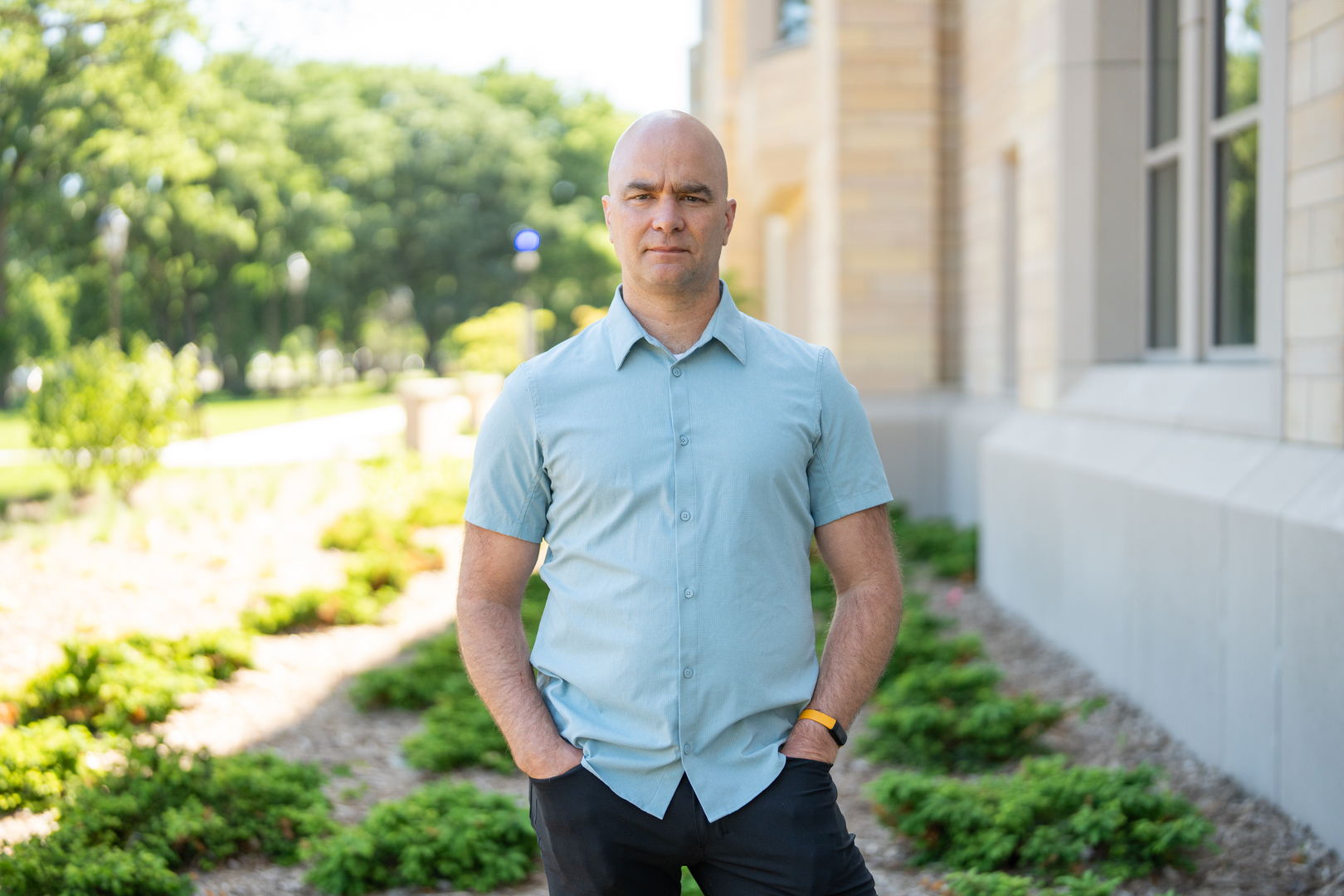
John Abraham, professor of engineering and climate change researcher at the University of St. Thomas, spoke with WCCO Radio about how Minnesota winters have warmed significantly over recent decades and what those changes mean for the state’s economy, environment and wildlife.
From the conversation:
It’s not your grandparents’ weather anymore: “We know the climate has changed.”
Minnesota winters. So far so good in the snow and cold department this year, though what transpires over the next few months remains to be seen.
In this month’s A Closer Look, WCCO’s Laura Oakes delves into how our winters have evolved over the past several decades and what that means for our economy, environment, wildlife, and plain old fun in the snow.
From the northern white pines of the moose, to the powdered slopes under the skis of Lindsey Vonn, from rainy days that bring too much, to sweltering heat that cancels fall marathons – it’s not your grandparents’ weather anymore.
“We know the climate has changed.”
Those are the words of Dr. John Abraham, who is a professor of engineering and a climate change researcher at the University of St. Thomas.
“Winters have warmed much more than summers, and nighttimes have warmed more than daytimes,” says Dr. Abraham. “And so the colder, darker time periods of our day and year have warmed more than when the sun is shining. And there’s a simple reason for that. We have emitted greenhouse gasses into the atmosphere. They trap heat 24 hours a day, every day of the year, and they have a bigger impact when the sun is not shining.”
Less snow. More rain. More extremes.