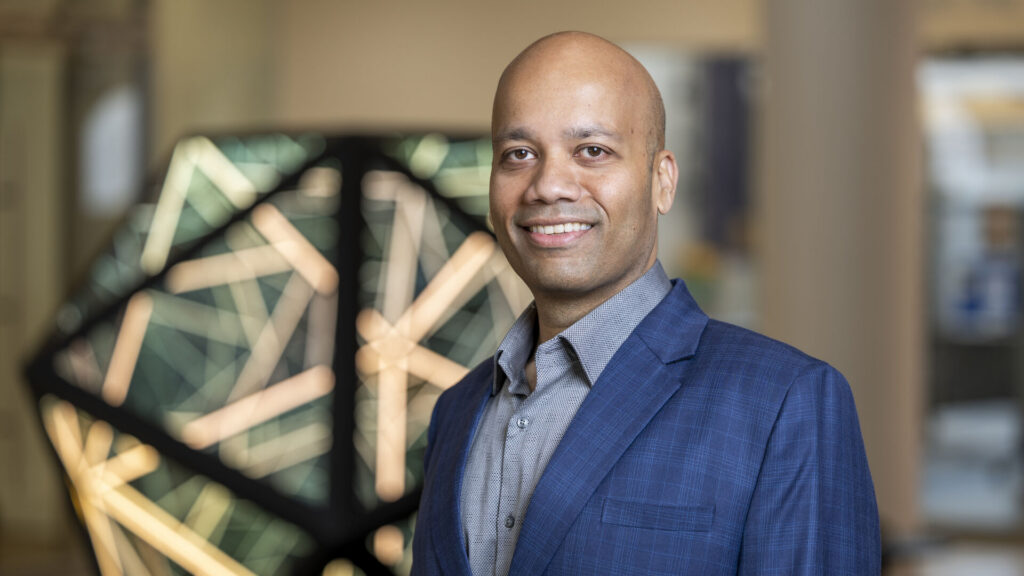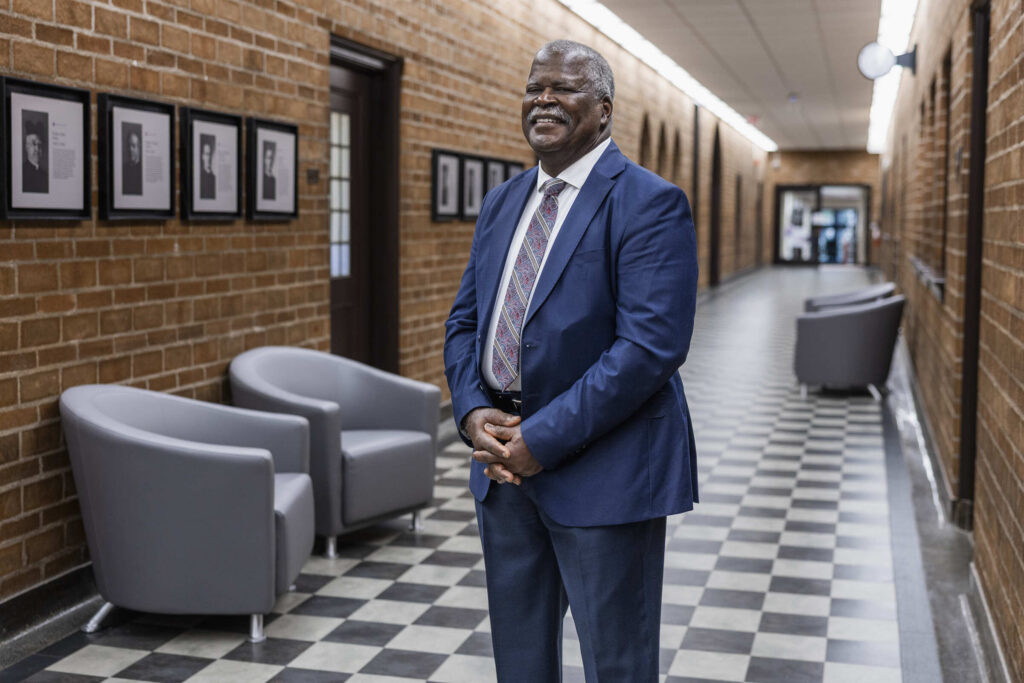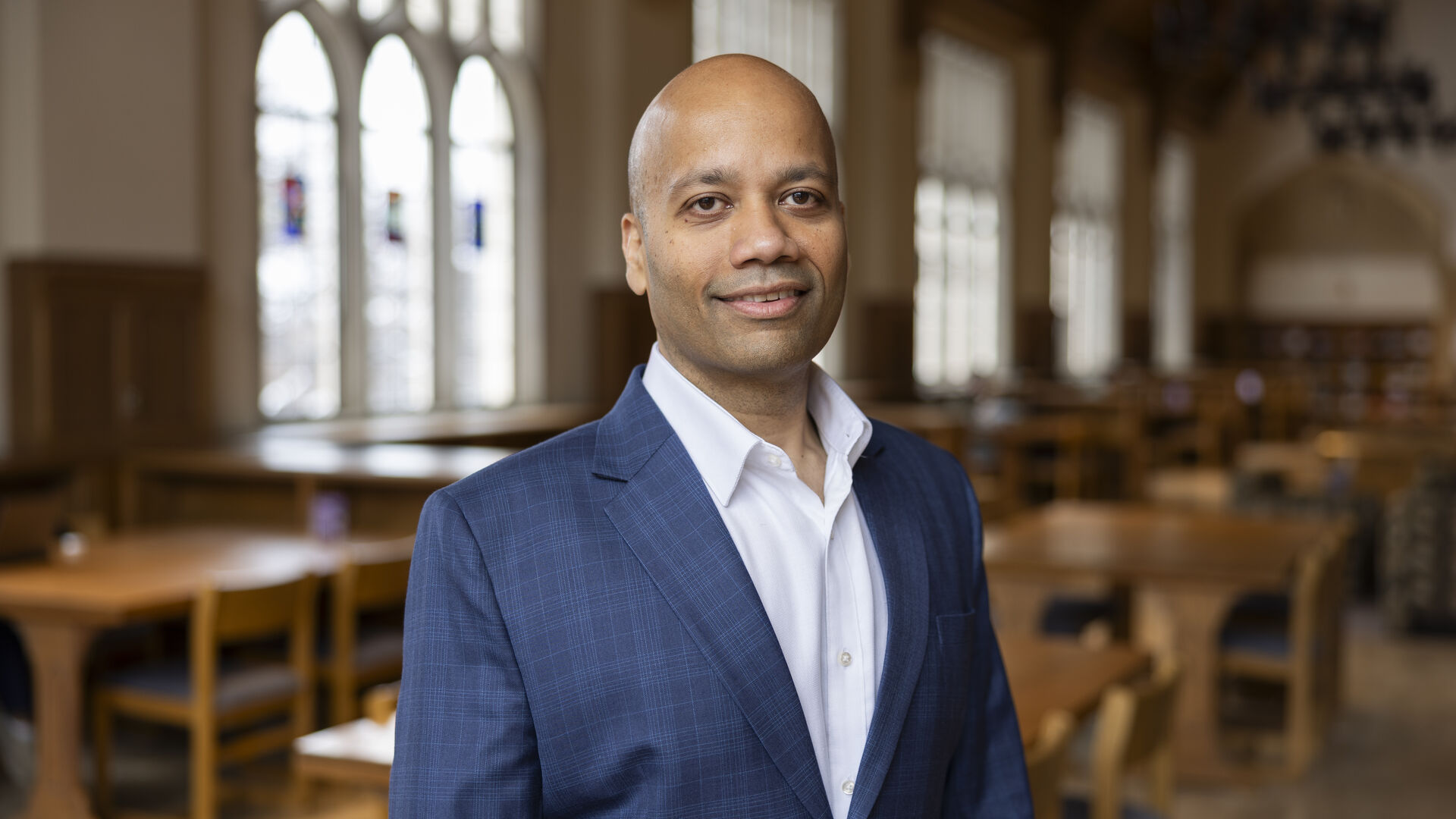
Manjeet Rege, director of the Center for Applied Artificial Intelligence at the University of St. Thomas, spoke with local news about the risks of relying too heavily on facial recognition technology in criminal cases. Rege emphasized the technology can be a useful investigative tool but should be paired with human oversight and additional verification.

From KARE 11:
Experts say facial recognition can be a useful investigative tool, but should not be used on its own to identify suspects.
“We’ll use technology as a first step, but then after that, there needs to be other forms of verification that should happen as well, and that is where the human comes in,” said Manjeet Rege, director of the Center for Applied Artificial Intelligence at the University of St. Thomas.
Rege said the technology is not always fully accurate and depends on proper use by investigators.
“This is not as much of a technology problem, but how the technology was applied,” he said. “One has to remember that there is a human element to this.”

From MPR News:
Facial recognition is a useful law enforcement tool, but should only be used as a first step, according to Manjeet Rege, the director of the Center for Applied Artificial Intelligence at the University of St. Thomas.
“That is where a human would come in and say, ‘OK, now let’s look at other information. Is this person actually at that location? Or do we have other information that actually puts that person in a different location,’” he said.
Rege said in the Fargo case, it seems like the technology was misapplied.
“If applied correctly, you know, facial recognition can really help law enforcement in identifying subjects and doing a great job in matching a picture from the crime scene against a huge database.”