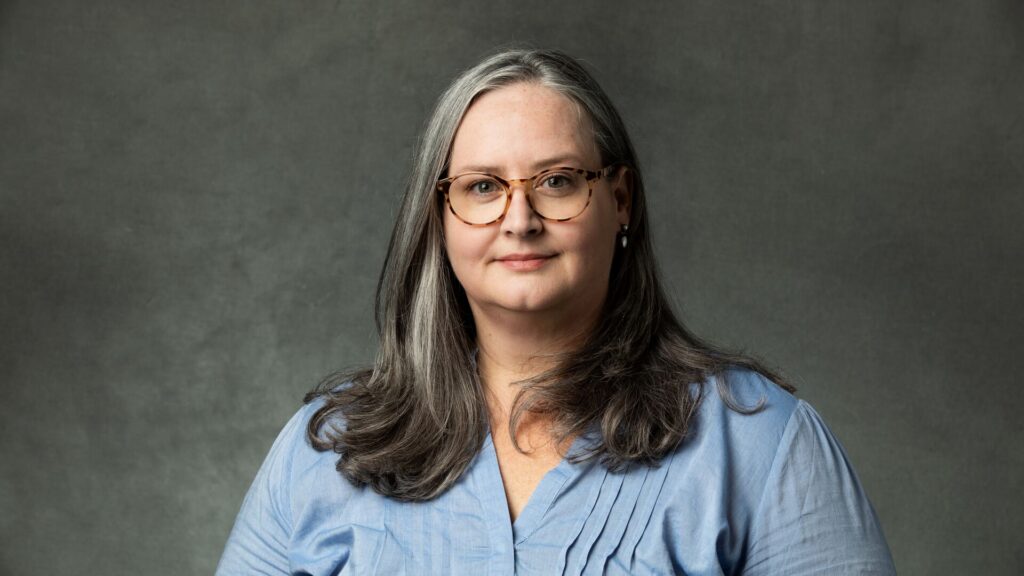
Manjeet Rege, director of the Center for Applied Artificial Intelligence at the University of St. Thomas, spoke with KSTP about a proposed Minnesota bill that would ban surveillance pricing in grocery stores. The legislation targets the use of consumer data to set individualized prices, a practice that has raised concerns among shoppers. Rege outlined how data collection can influence pricing strategies and offered practical steps consumers can take to limit their exposure, including reducing app usage and being cautious with personalized offers.

From the story:
Dr. Manjeet Rege, director of the Center for Applied Artificial Intelligence at the University of St. Thomas, told 5 EYEWITNESS NEWS there are multiple ways consumers can reduce the risk of paying more due to surveillance pricing.
“What consumers can do first of all is limit the loyalty app usage,” said Rege. “The more information you’re volunteering about yourself, about your personal preferences, past history, the more information the store has.”
He also suggests checking out as a guest online, clearing cookies and browsing in incognito mode. It’s also always a good idea to compare prices.
“Always be cautious, be skeptical about personalized offers,” said Rege. “Many times it may not be for your own benefit, it might be for the benefit of the store selling product to you.”