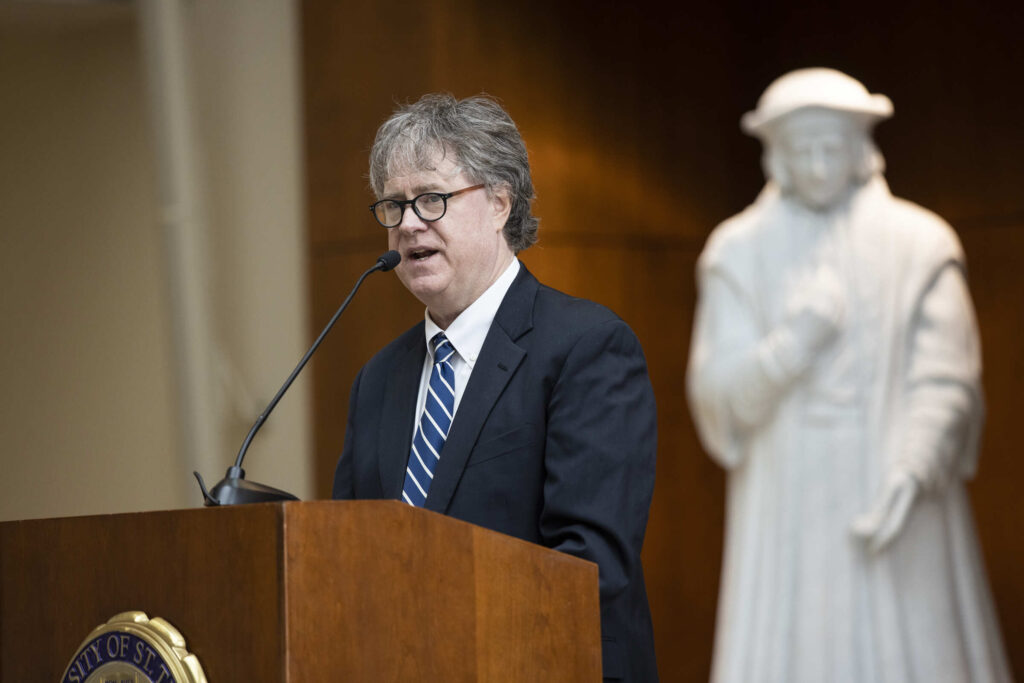
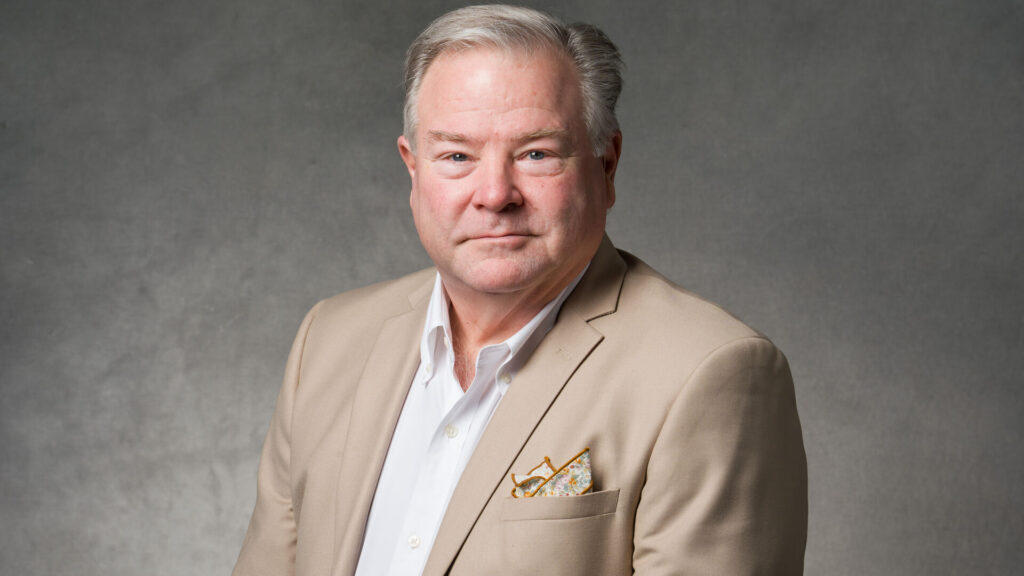
Shaherzad Ahmadi, an associate professor at the University of St. Thomas specializing in the political histories of Iran and Iraq, spoke with Twin Cities PBS about the latest developments in the Iran conflict. Ahmadi discussed the ongoing geopolitical tensions, the role of international alliances and the broader economic effects the conflict could have on oil prices, inflation, and global stability.

From the conversation:
Eric Eskola: I’m learning about the ripple to other countries. Israel apparently did an air strike in the Gaza Strip today to get a Hamas leader. Is that any way connected, or is that something totally separate?
Ahmadi: So, Iran, right? The last time that I was here, we talked about Lebanon, and so one thing that Iran is completely committed to is seeing some alleviation of the fighting in Lebanon. Their whole concept right now is that unless the fighting stops elsewhere, the fighting will continue in Iran. In other words, if, if they remain weak in their proxies, then Iran is vulnerable, and so Israel is doing its part to ensure that Iran feels vulnerable. Probably the calculus is that with vulnerability comes strength at the negotiating table, but if Iran doesn’t think that it has a partner at the negotiating table, they’re not going to make much movement.
Cathy Wurzer: By the way, you have family in Iran. I’m wondering, how what have you been able to glean from your family and friends in terms of how are they holding up? What’s the economy like? What’s life like?
Ahmadi: The economy is totally in shambles. Inflation rate is run away. One very interesting thing to note was Marco Rubio, during his visit to China, was adamant that the Chinese did not necessarily have to intervene, but he conceded that America was getting affected by inflation. America was getting affected by rising oil prices. That is very important. Iran is certainly hurt in this, and it will take them many, many years to recoup, but they are leaning on the money they make from the Strait of Hormuz to recoup that.