Archive Posts
-
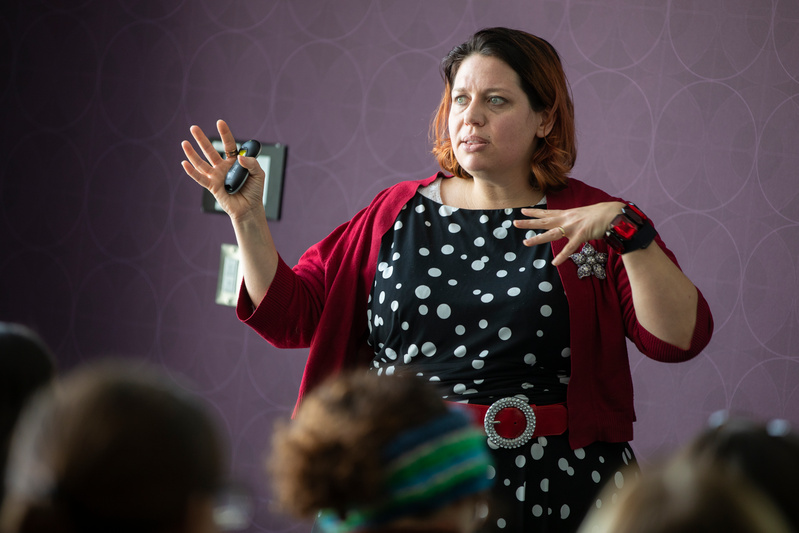
In the News: Roxanne Prichard on Permanent Standard Time and Health
In the NewsRoxanne Prichard, professor of psychology and neuroscience at the University of St. Thomas, recently was quoted in a Scientific American article on how switching between standard time and daylight saving time can have negative effects on the human circadian rhythms and bodily health. From the article: Winding clocks an hour back this fall, when daylight saving…
-
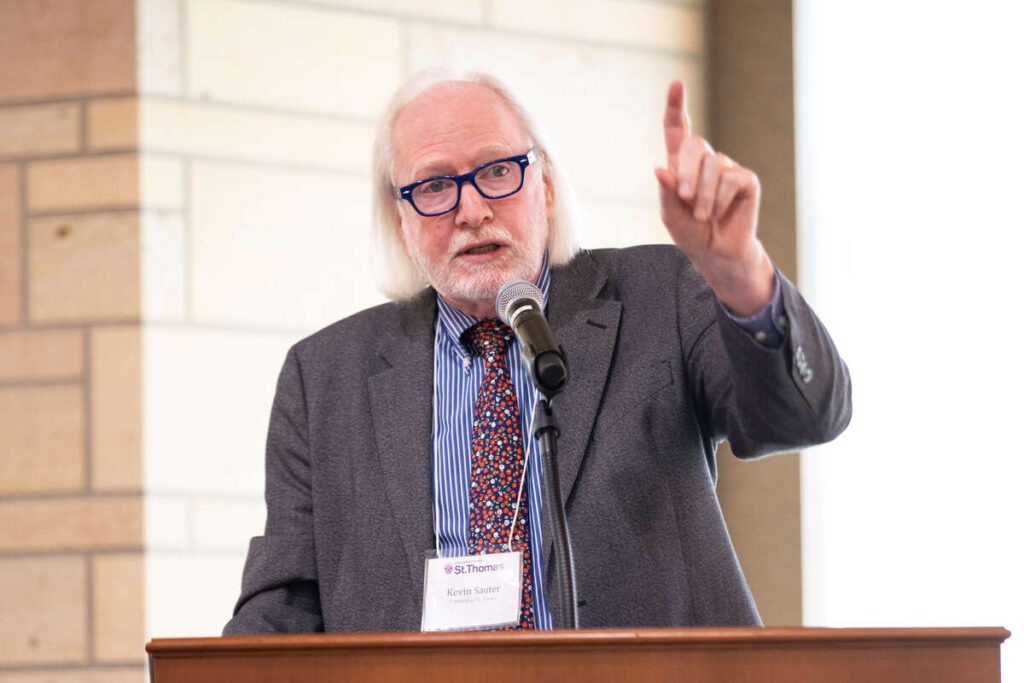
In the News: Kevin Sauter on Political Rhetoric
In the NewsThe United States has seen an uptick in violence, most recently demonstrated by the murder of Charlie Kirk. Kevin Sauter, University of St. Thomas professor emeritus, spoke to KARE 11 on the development. From the story: The murder of conservative commentator Charlie Kirk during an appearance in Utah on Wednesday marked another dark chapter for the United… -
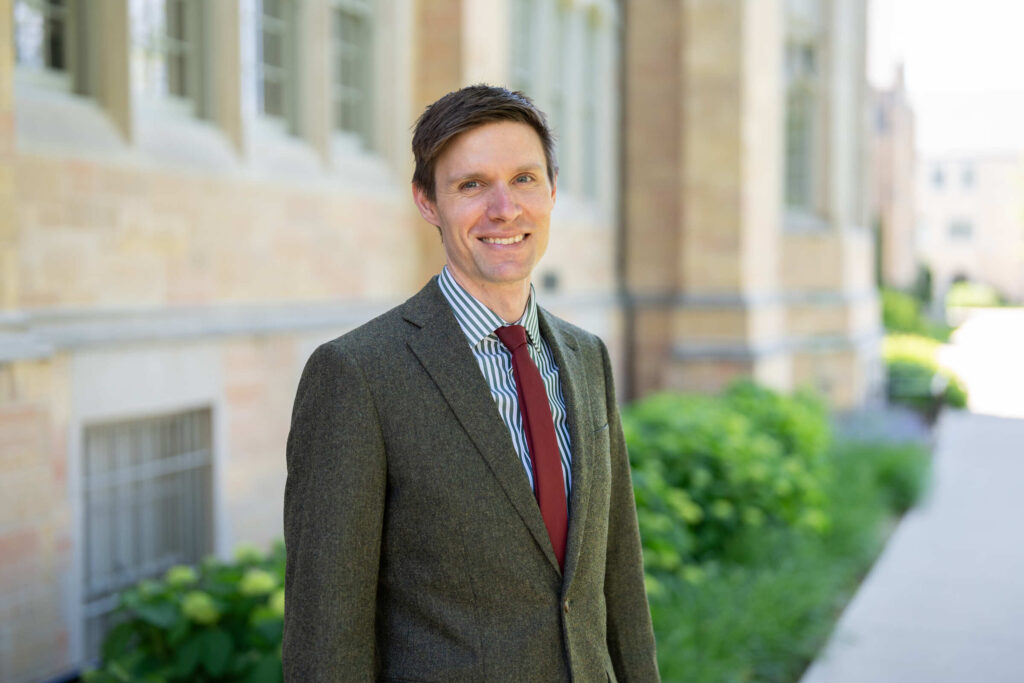
In the News: Tyler Schipper on Interest Rate Cuts
In the NewsTyler Schipper, economist and associate professor at the College of Arts and Sciences at the University of St. Thomas, spoke with KARE 11 about how Federal Reserve interest rate cuts could affect Americans. From the story: “We might see some changes in mortgage rates and some downward pressure would be great for people who are… -
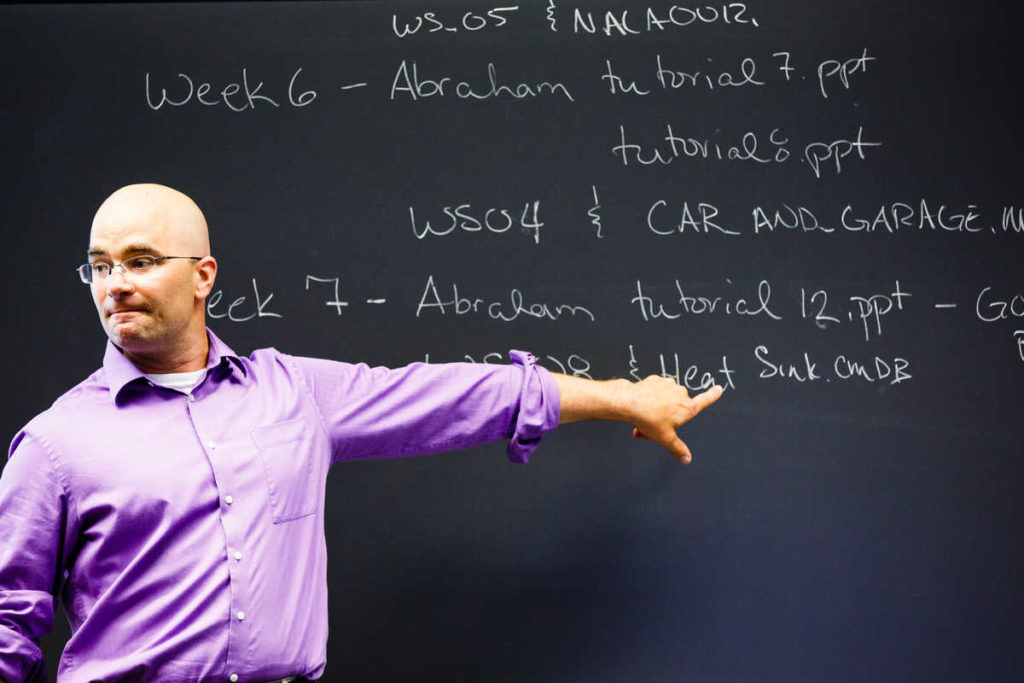
In the News: John Abraham on the Impacts of AI on Entry-Level Positions
In the NewsArtificial intelligence has some excited and others scared, as the rapidly evolving technology impacts the job market. John Abraham, professor of mechanical engineering, spoke to WCCO-TV about how job seekers can protect themselves from AI replacement. From the story: Lucas Shriver is working hard at LEMA in St. Paul. A solar-powered battery station can now… -
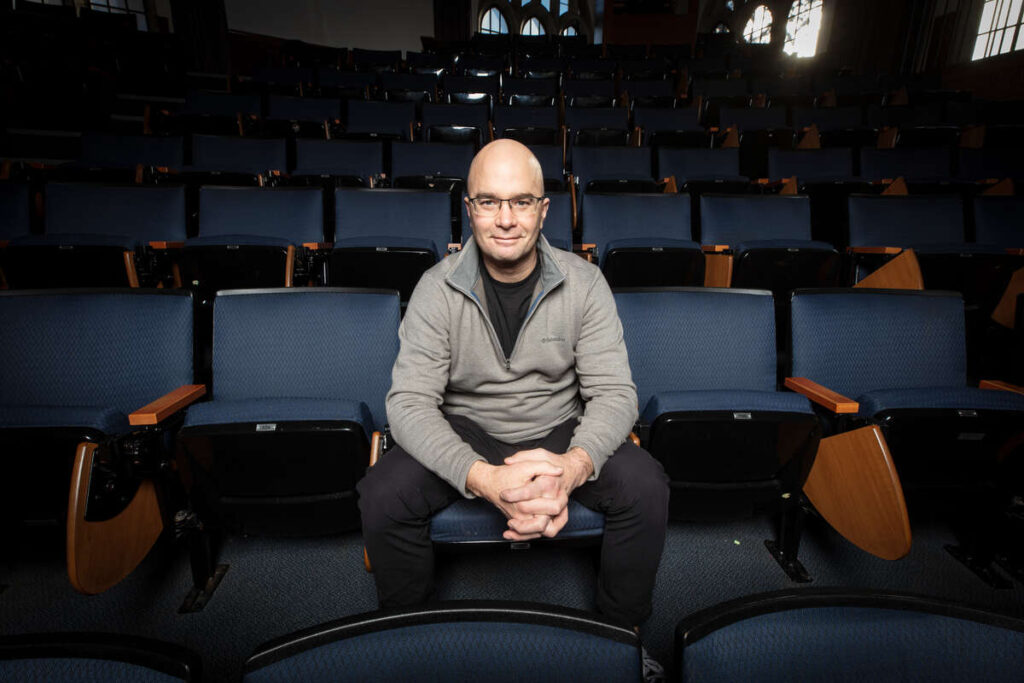
In the News: John Abraham on AI in the Classroom
In the NewsJohn Abraham, professor of mechanical engineering, spoke to FOX 9 on the use of AI in the classroom. Abraham utilizes the technology himself when conducting research. He believes it can improve outcomes of students learning. From the interview: “I’ve used AI for about half a decade. I use it for optimization. Working with an international team,… -

In the News: Tyler Schipper on August Inflation Numbers
In the NewsTyler Schipper, an economist and associate professor at the College of Arts and Sciences at the University of St. Thomas, spoke to CNN and WCCO Radio about recent inflation numbers. The consumer price index for August reveled a continued rise in inflation. The development follows labor statistics showing weakening job growth. From the CNN story: Consumer… -
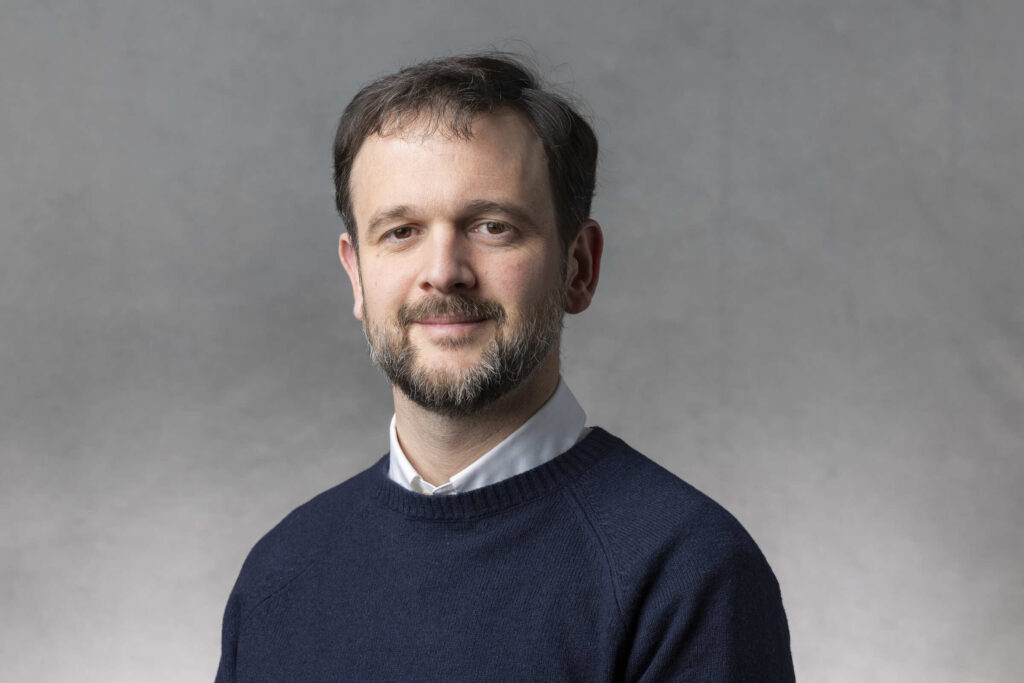
In the News: Thomas Feeney on AI in Higher Education
In the NewsIn speaking with MPR News, Thomas Feeney, an associate professor of philosophy and the director of the Master of Arts in Artificial Intelligence Leadership Program at the University of St. Thomas, discussed how colleges must prepare students not just to use AI tools, but to understand their broader implications. From the interview: “I had an interesting experience… -

In the News: Jessica Hodge on Hate Crimes
CAS NewsThe FBI classifies the Annunciation mass shooting as a hate crime. Jessica Hodge, associate professor of justice and peace studies, spoke to MPR News about the terminology and its reasoning. From the interview: Here to explain how officials might look at defining the crime and why they might do so is Jessica Hodge. She's a… -
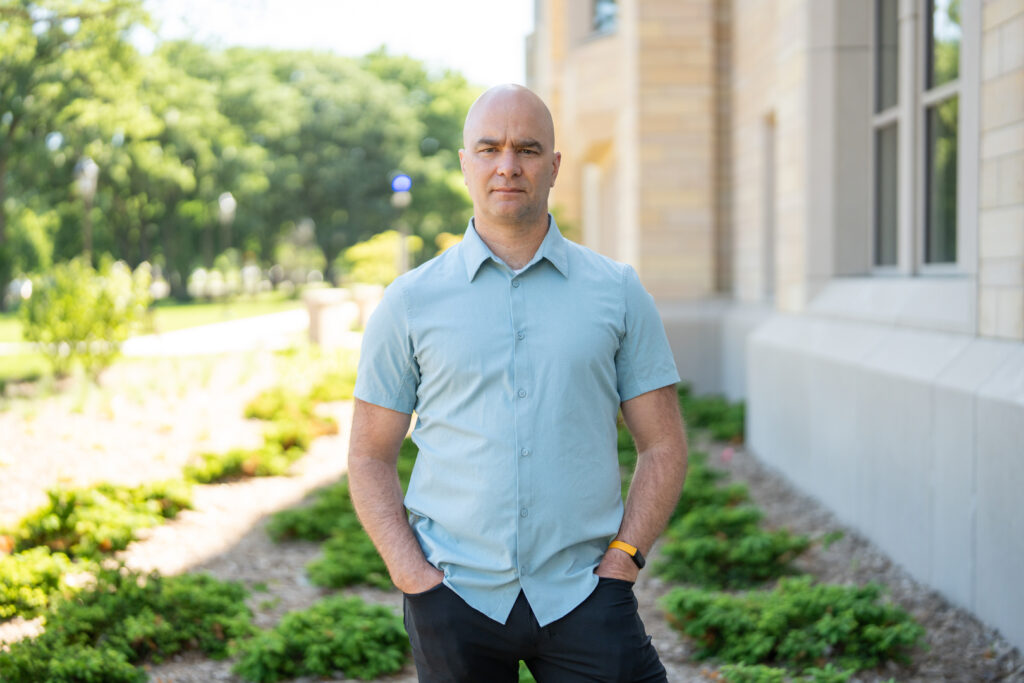
In the News: John Abraham on Lake Health
In the NewsJohn Abraham, professor of mechanical engineering, spoke to WCCO Radio with Adam Carter and Jordana Green at the station’s Minnesota State Fair stage. They discussed the health of Minnesota lakes and what can prevent harm. From the interview: John Abraham, professor of thermal sciences at the University of St. Thomas, shares his reaction and thoughts… -

In the News: John Abraham on Shifting Ocean Currents
In the NewsJohn Abraham, professor of mechanical engineering, spoke to the Minnesota Public Radio about shifting ocean currents. New research indicates warmer oceans may change ocean currents and atmospheric patterns in a big way. From the interview: Host: This study finds a higher chance than previously thought that the Atlantic Ocean may see some big changes. What do…