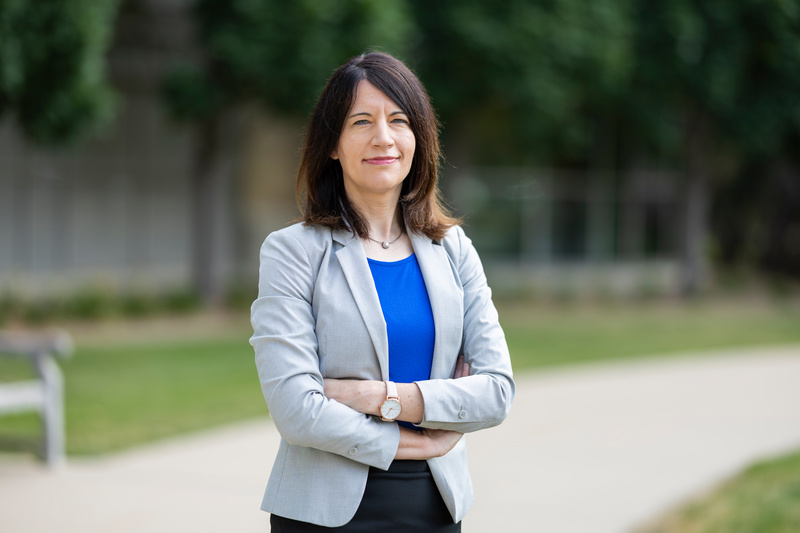
Rachel Moran, professor at the University of St. Thomas School of Law, spoke with the Milwaukee Journal Sentinel about the role of Brady lists, which track law enforcement officers with credibility issues that must be disclosed in court. Moran explained that even when an officer’s inaccurate statements were not intentional, they can still be relevant to a defendant’s case.

From the article:
When prosecutors are weighing whether to call an officer to testify, it makes sense to distinguish between overt dishonesty and credibility rulings, said Rachel Moran, a professor at the University of St. Thomas School of Law in Minneapolis, in an interview last month.
But an officer who was found not credible in court still belongs on the Brady list, she said.
“An officer who has misstated information in his police report, that’s exculpatory regardless of whether the officer intended to do it,” Moran said.