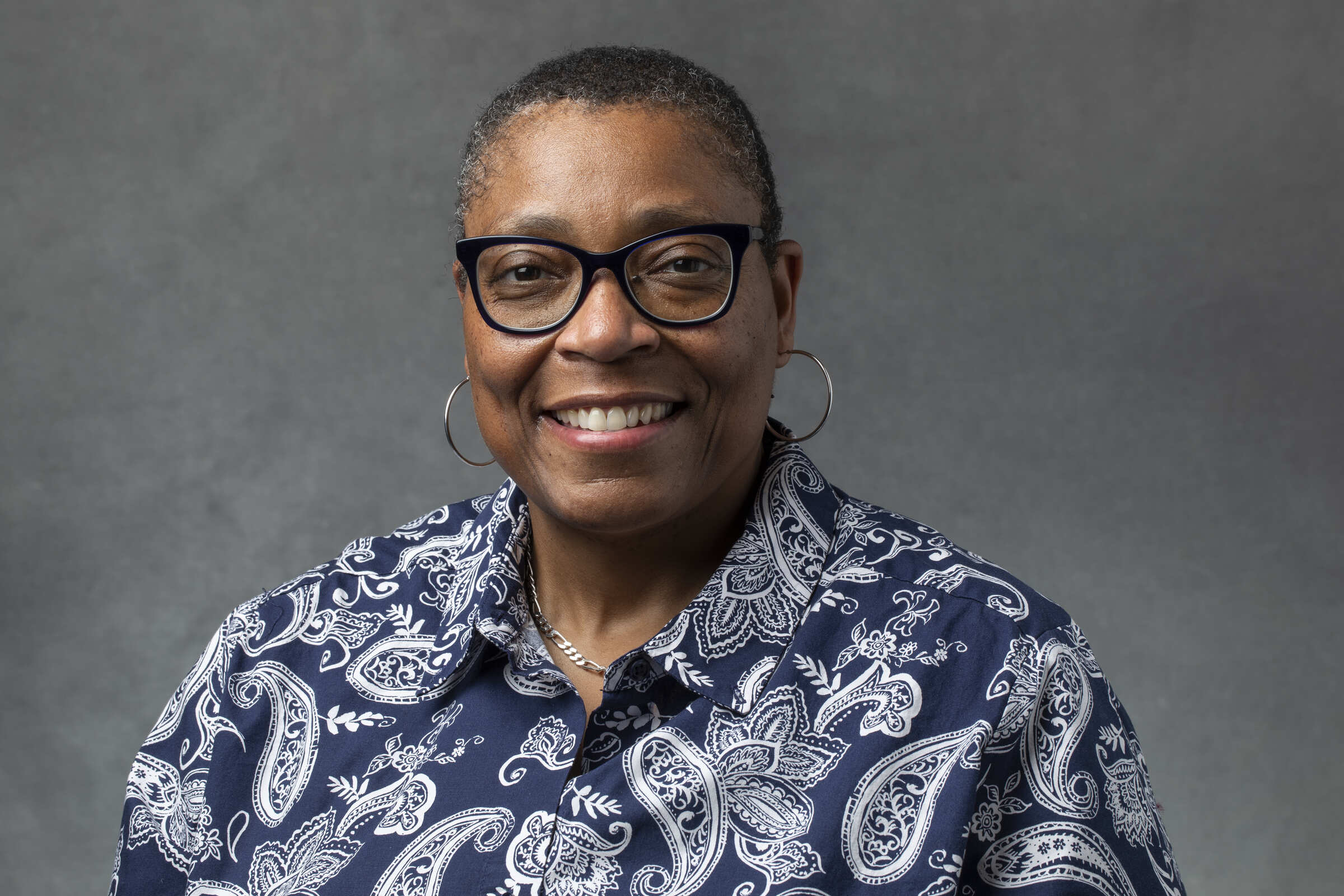
Buffy Smith, dean of Dougherty Family College at the University of St. Thomas, spoke with Sheletta Brundidge and Vineeta Sawkar at WCCO Radio about rising tuition costs and the barriers they create for many families. Smith emphasized Dougherty Family College’s commitment to affordability and the importance of keeping higher education accessible, particularly for first-generation and lower-income students.

From The Sheletta Show:
Smith: The cost of tuition and fees continues to rise, and the question we have to be mindful of is: As those costs increase, which families are marginalized and left out of achieving the dream of college, not just for themselves but for future generations?
At Dougherty Family College at the University of St. Thomas, we’ve been very intentional about that. While tuition nationally has increased more than 200%, when we started in 2017, our tuition was $15,000. In fall 2025, it was $15,040. So in nine years, we’ve only increased tuition and fees by $40.
That’s because we are committed to serving first-generation college students and families with limited economic resources. We will continue to ensure that we remain an affordable and accessible college.
Sheletta Brundidge: And you all are part of the University of St. Thomas. For folks just learning about you, what kind of degrees and programs does Dougherty Family College offer?
Smith: I like to say that Dougherty Family College is the premier two-year college of the University of St. Thomas. That means our scholars have full access to the same high academic quality and opportunities as the broader St. Thomas community.
At the same time, we prioritize affordability. We provide scholarships, free laptops, meals, transportation assistance, and free textbooks so our scholars can fully focus on their studies.
Our students earn an associate degree in liberal arts and are then prepared to pursue a bachelor’s degree. We provide resources and services grounded in research-based best practices.
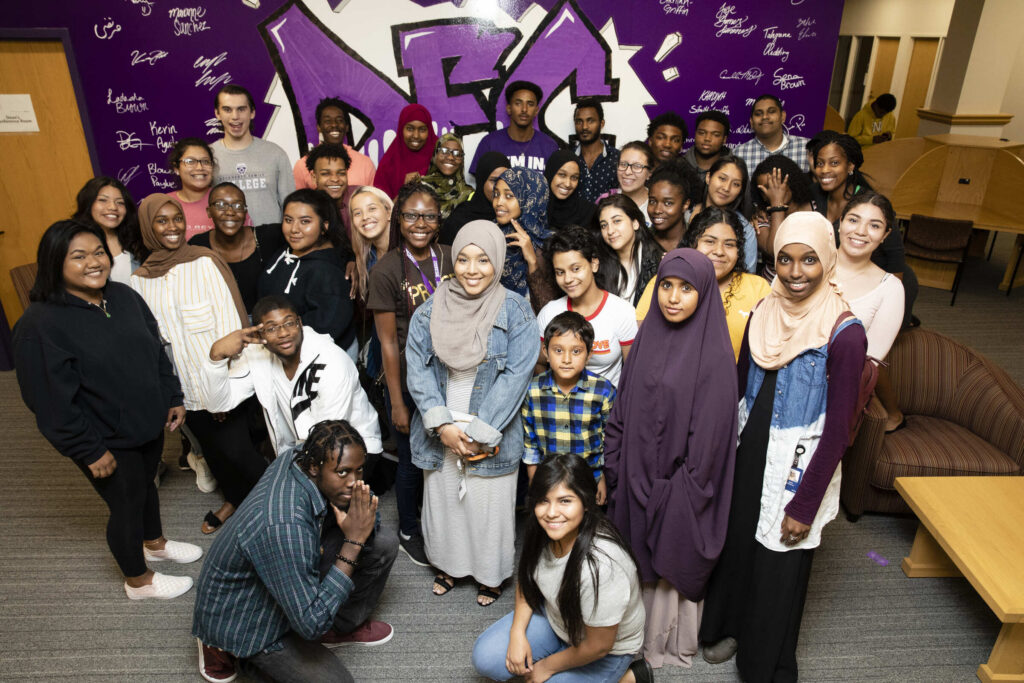
We help scholars navigate the “hidden curriculum” of higher education, build social capital through meaningful relationships with faculty and staff, and develop a strong sense of belonging. That’s why we use a cohort model, where students take classes together in groups of 20 to 25, creating built-in study groups and support systems.
We also provide intensive mentoring, both one-on-one monthly and in group settings with their cohort.
All of this is designed not just to help students survive college, but to thrive. As a result, we see high retention and graduation rates compared to other two-year colleges in Minnesota. We’re incredibly proud of our scholars and their achievements.
Brundidge: I also want to make sure folks know about your upcoming block party. College tours can sometimes feel a little dull, but you all are doing something different.
The block party is May 7 from 11 a.m. to 1 p.m. People can sign up at dfc.stthomas.edu under the Events tab.
Tell me about it, because I went a couple of years ago and it was amazing. There was double Dutch, bubbles, face painting, and so much food. It was a beautiful day, and students from across the Twin Cities came out and had a great time.
Smith: It really is a family atmosphere, and that’s something we’re known for at Dougherty Family College. We have a loving, supportive community.
The block party is for everyone. There’s good food, fun, games and fellowship. You’ll get to meet our incredible faculty and staff, and most importantly, our current scholars and graduating class.
Of course, you can also take a campus tour, but the goal is really to experience the environment. Dougherty Family College can sometimes sound too good to be true, so I always encourage people to come see it for themselves and experience firsthand what makes our community so special.

From Mornings with Vineeta:
Sawkar: Let's talk about that a little bit, because people sometimes don't give a sense. You know, if you live from come from a family where everyone's gone to college, it's just part of the fabric of who you are, but these first generation college students, Doherty Family College, I know, provides that financial help, but there's much more to it. Buffy talk about what are the other things some of these students need that some people may not realize.
Smith: Absolutely so if over 30% of first generation college students with limited resources are attending our colleges universities, the question that we have to pose is, how do we better serve that population? And so yes, affordability is certainly very important, but beyond just access, in terms of reducing tuition, we have to think about the infrastructure.
Many colleges and universities might provide scholarships to help first generation college students attend college so to enroll into colleges and universities. However, if the infrastructure is not in place that is specifically designed to help demystify the higher education system for first generation college students, those high performing scholars will not achieve the ultimate goal, which is a degree attainment.
So at Dougherty Family College, in terms of the infrastructure, we put in place a cohort model. This is where scholars build a strong sense of belonging and community with each other. They receive support and accountability from their peers. They take classes together, they form study groups. They become a family. We like to refer to each other as ohana, which is the native Hawaiian word meaning family. No one is left behind. We practice culturally sustaining pedagogy, which is important.
This is where we are very intentional to make sure that our scholars from very rich and diverse COFA background is honored and incorporated in the classroom. Which enhances their overall academic achievement. Then we have intensive mentoring. We provide our scholars with more mentoring than most colleges and universities.
This is where staff and faculty are helping scholars navigate the hidden curriculum, which is those unwritten norms, values, expectations and behaviors that students need to know in order to thrive in the college. And then I think what is also different and special about Dougherty Family College is that we have a paid internship program, and this is where our scholars will take professional development classes to prepare them to be successful in the workforce.
Sawkar: Buffy, what you all do is definitely making strides, and so many success stories. Where can people learn more about DFC?
Smith: We would invite anyone to come to campus to really experience Dougherty Family College. But if they would like to go to our website we would encourage them to schedule a visit and come see and experience DFC firsthand.