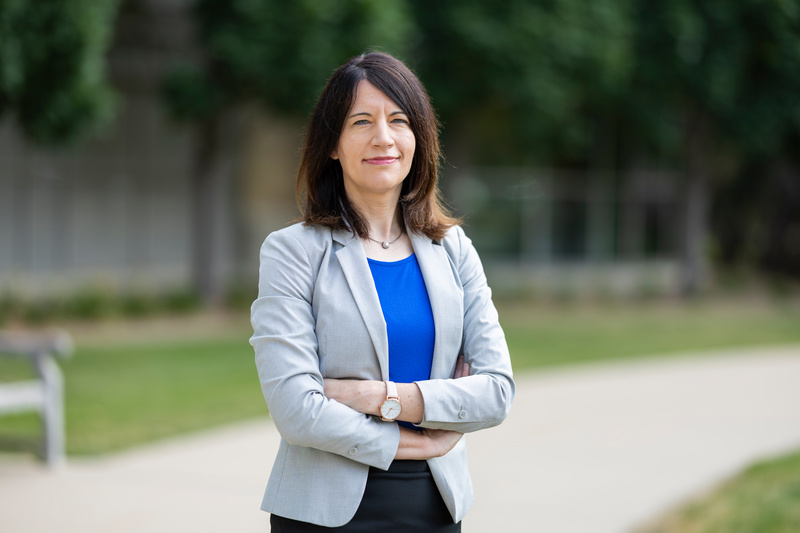
University of St. Thomas School of Law professor Rachel Moran appeared across multiple local outlets, including Axios, FOX 9 and WCCO, as Minnesota officials pursued extraordinary legal measures to preserve evidence and assert state authority following the fatal shooting of Alex Pretti by federal agents. Moran addressed concerns about federal noncompliance with court orders, patterns of uncharged or dismissed assault claims against ICE agents and the importance of independent investigations to ensure accountability during large-scale immigration enforcement operations.

From Axios:
What they're saying: "This reeks of a cover-up by (federal) officials who don't want an independent investigation. I don't say that lightly," University of St. Thomas law professor Rachel Moran told Axios in an email.
"When federal agents … again block independent investigators from accessing the scene, that suggests to me that they just don't want anyone to investigate," Moran added.

From FOX 9:
But in dozens of cases involving attacks on federal agents during immigration operations, prosecutors have declined to file charges, dismissed the case or failed to obtain a grand jury indictment, according to DHS and court records reviewed by the FOX 9 Investigators.
"When somebody other than the agents has to look at evidence and decide whether an assault happened, in the vast majority of situations, they're deciding, no, there's no evidence of an assault," said Rachel Moran, a law professor at the University of St. Thomas.

From WCCO:
WCCO spoke with Rachel Moran, a University of St. Thomas law professor who has researched law enforcement accountability for decades.
"I don't know of a situation like this. It's unusual and it's really troubling because the state does have the authority to investigate whether a crime occurred. And if we have the federal government actively preventing them from doing that and ignoring a court order, that's a power grab that's deeply concerning," Moran said.
And with accountability in connection to law enforcement shootings, Moran said the involvement of third-party investigators is crucial.
"We always want to be careful that an agency isn't biased, and so if it's in an agency investigating its own officers, that has an obvious potential for bias. They may want to absolve their own officers," Moran said. "And so that's the reasoning behind having an outside agency investigate any police shooting or any law enforcement shooting."