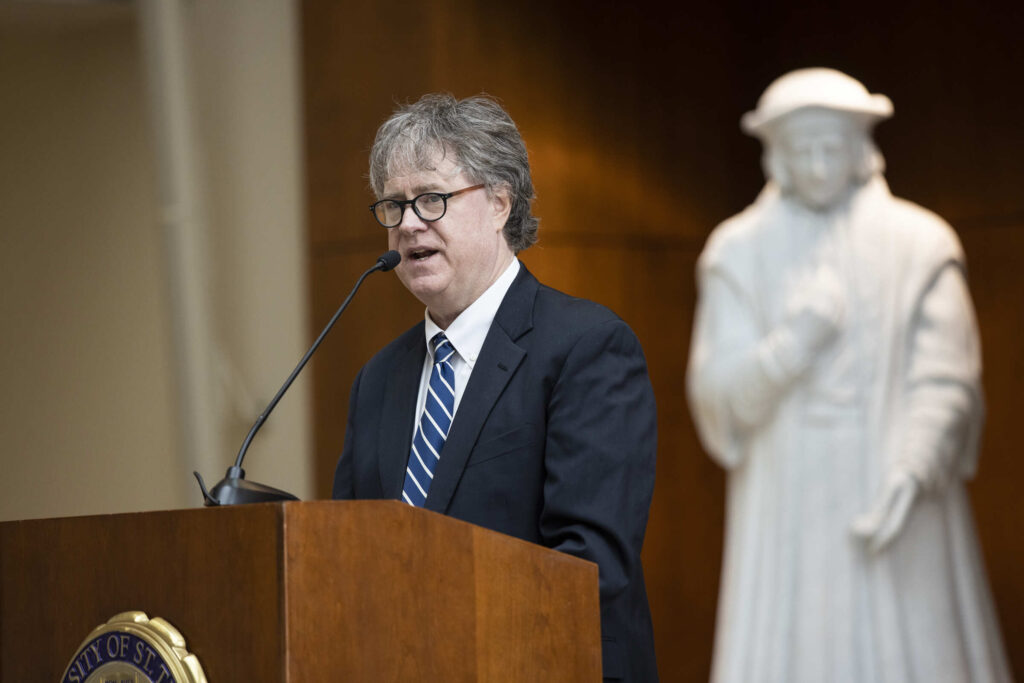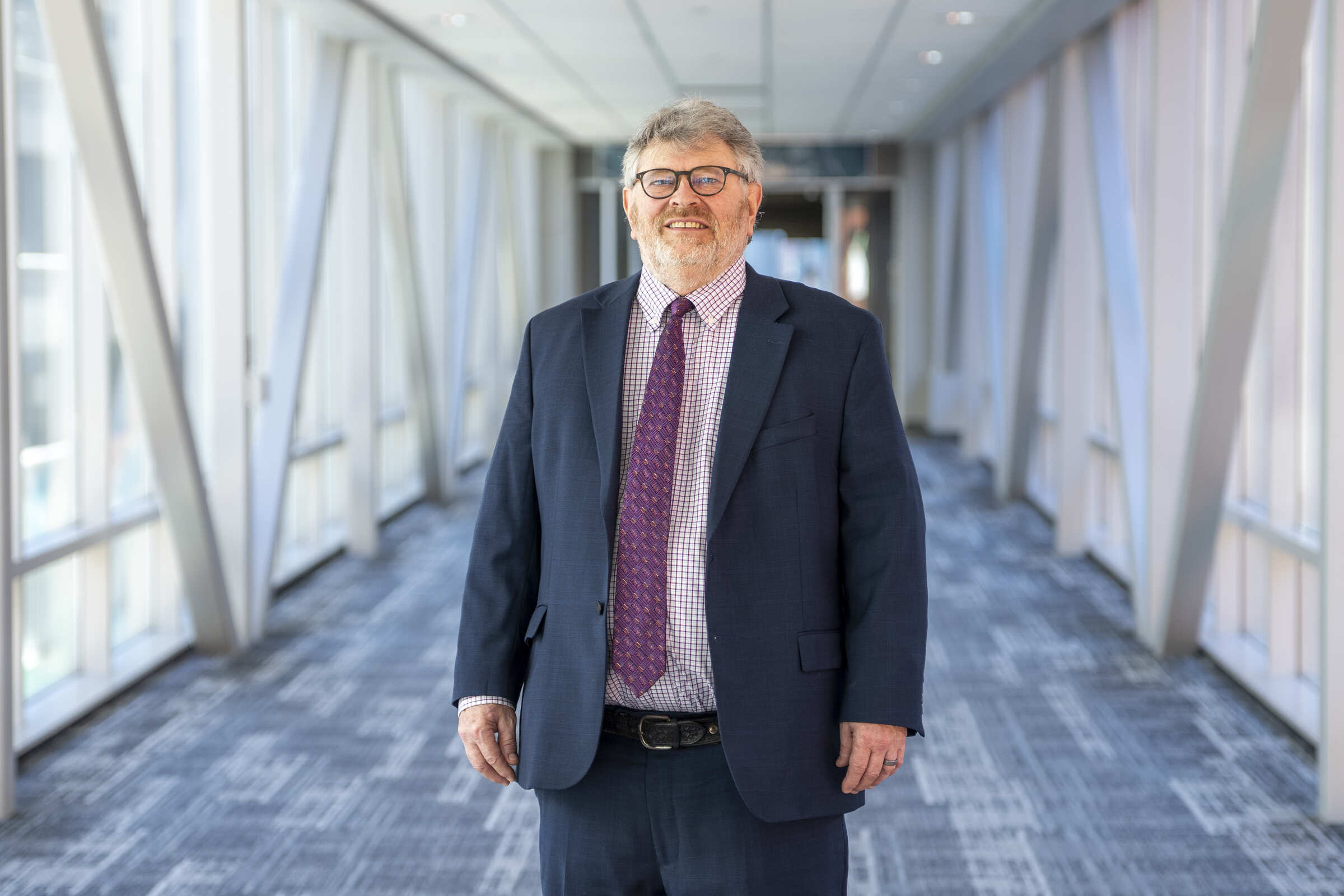
Virgil Wiebe, a professor at the University of St. Thomas School of Law, spoke with MinnPost about the sharp decline in asylum approvals at Fort Snelling immigration court. Wiebe explained that recent procedural and structural changes under the Trump administration have made it increasingly difficult for asylum seekers to fully present their cases, raising concerns about due process and long-term impacts on immigrants living in legal uncertainty.

From the article:
Despite these lofty goals that grew out of the shadow of World War II and the mass displacement it caused, the tenets of the U.S. asylum system have been applied inconsistently over the decades, said Virgil Wiebe, a law professor at the University of St. Thomas School of Law.
That has been especially true in the past year as President Trump has tried to refocus much of the immigration system on a stricter, narrower interpretation of the law that prioritizes arrests and deportations.
“It’s fair to say that this attack on asylum is the most breathtaking in [the system’s] history,” Wiebe said. ...
The BIA has put out “a breathtaking number of decisions,” said Wiebe, the University of St. Thomas law professor.
Even if the courts were told to go back to pre-2025 rules, it would be difficult to see the immigration and asylum systems fully recovering without significant investments of time and energy that would shift the balance back toward a system that prioritizes due process over quick results.
“Because of the breadth and depth of these changes, it’s more structural than it is temporal,” he said. “Even though there’s not a statute that’s been passed, when the infrastructure itself is changed, and the substantive law is changed through the Board of Immigration Appeals, those are things that are very difficult to undo.”
“It’s harder to fix things than it is to break them,” Wiebe said.