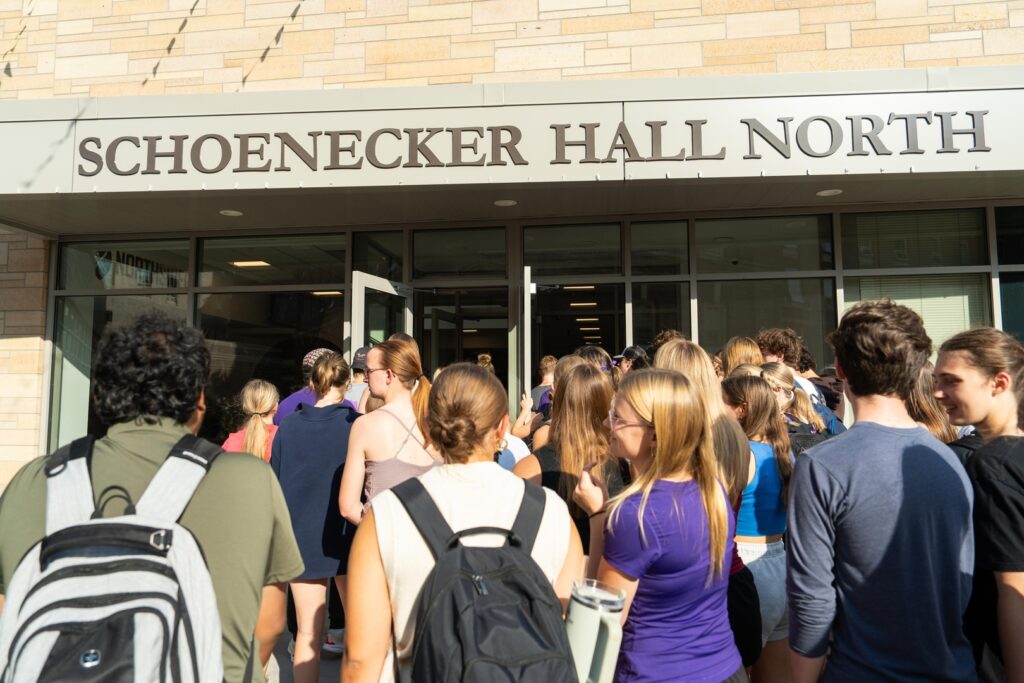
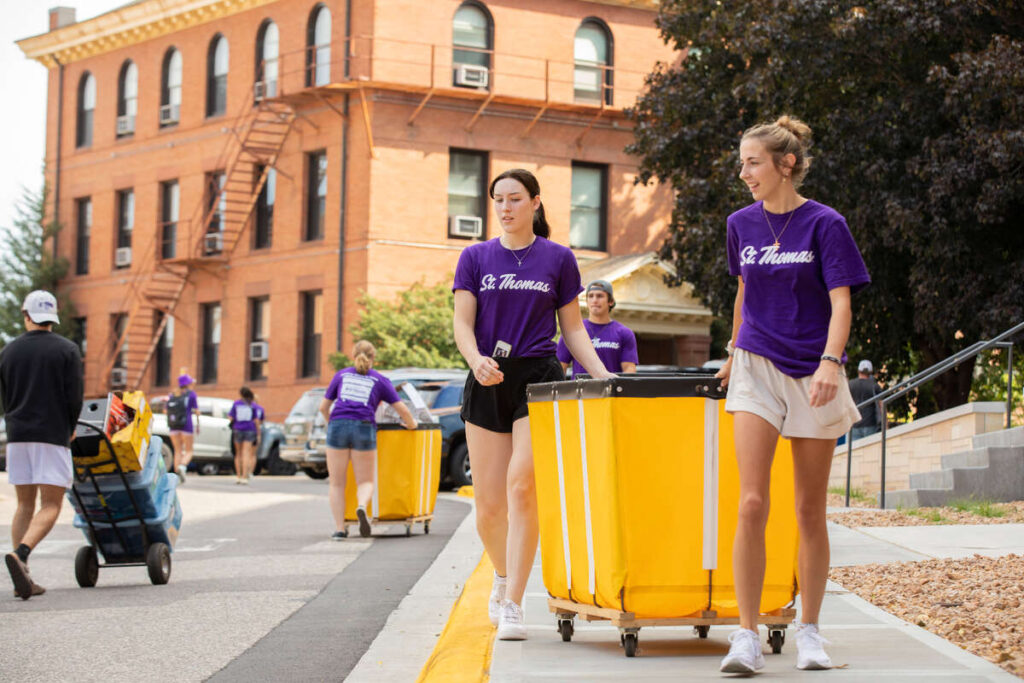
On a crisp fall evening outside Grace Residence Hall, dozens of students sprinted across the quad in a game of capture the flag. Over pizza and snow cones, strangers became neighbors. For senior Tabetha Bowes, now in her third year as a resident advisor, this is why she keeps returning to the role.
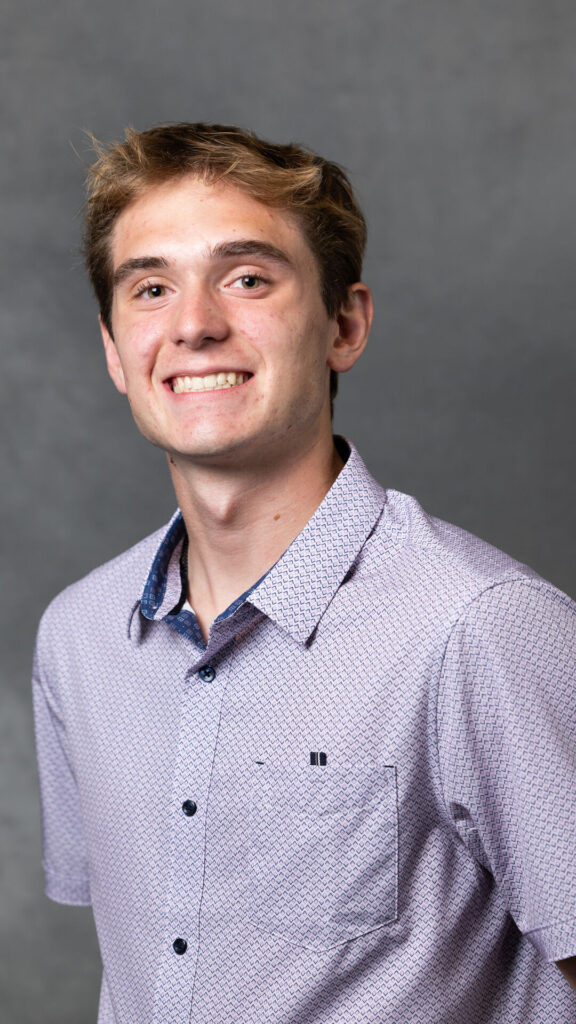
“It’s so fun connecting with new people,” Bowes said. “I’ve loved being an RA because I get to see those friendships form.”
Resident advisors, or RAs, are student leaders who dedicate their year to creating community in the residence halls. They organize events, check in one-on-one with residents and help make a campus of thousands feel more like home.
For first-time RA Seth Roosevelt, a junior biochemistry major from Eau Claire, Wisconsin, the position is a chance to pay forward the welcome he once received.
“My first-year RA always greeted me with a smile,” Roosevelt said. “Coming back to campus felt like coming home, and I wanted to create that atmosphere for incoming students.”
Behind the scenes, RAs receive weeks of preparation before welcoming students. Their training covers event planning and communication skills, but also strategies for supporting mental health. Through the Center for Well-Being, RAs learn how to recognize when a student is struggling and how to respond in a crisis. That includes suicide-prevention training known as QPR (Question, Persuade, Refer) along with sessions on active listening and conflict resolution.
National research shows that RAs benefit from the role as much as their residents do. Studies indicate that students who serve as RAs are more likely to stay enrolled, succeed academically and develop leadership skills that carry into their careers. For residents, that same sense of belonging improves mental health and retention.
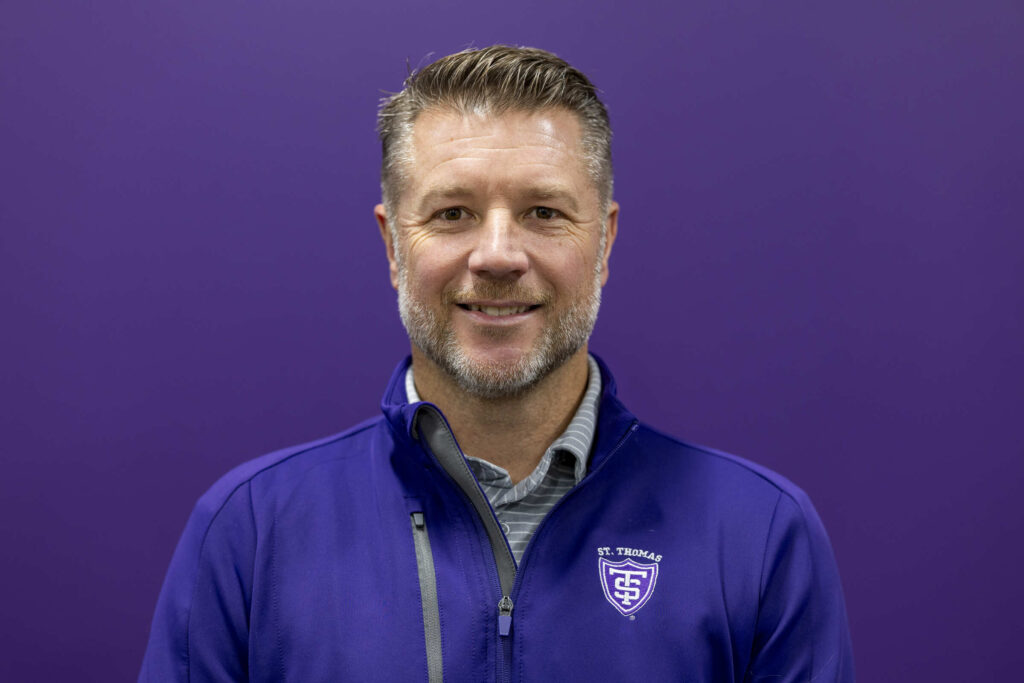
“Parents, whether they are local, regional, national or global, should know that we have an excellent group of student leaders on campus who live within the halls, provide one-on-one support, and rally to support students in need of care,” said Aaron Macke, director of Residence Life.
The RA role also reflects findings from a Gallup poll about what contributes to a thriving life after graduation. Students who build strong relationships on campus and take on meaningful leadership experiences are more likely to be engaged in their work and communities after college.

“As Gallup’s research shows, experiences like mentoring relationships and leadership opportunities set the foundation for lifelong success,” said Manuela Hill-Munoz, the Student Affairs director of student development strategy who also serves as co-director of First-Year Experience.
RAs aren’t alone in their work. Each hall has a professional staff member supporting them.
At Grace Hall, graduate student Miriam Gamble is the hall director and supervises the RA team while studying for her counseling degree. The California native who drove her car across the country to enroll in the graduate program, said the experience of watching her team balance academics with leadership responsibilities has been inspiring.
“It’s been a great experience. This is my second year supervising a team and I am always blown away by how well the team functions,” Gamble said. “Despite having to balance school and outside commitments, my RAs have always done an excellent job.”
Grace Residence Hall is an upperclassman hall on the south side of campus, so its residents are not new to the college experience. Still, their RAs give their all.
“From creating events that invite residents to build community to checking in on how residents are handling living in a residence hall, they always give their best,” Gamble said. “They care deeply about creating a positive experience for their residents.”
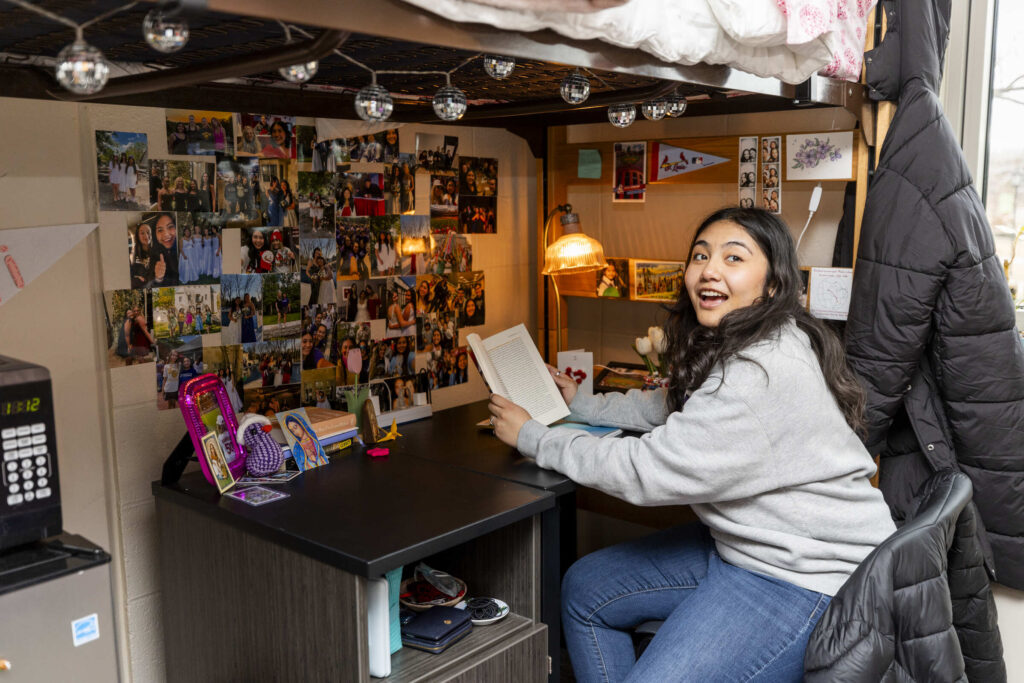
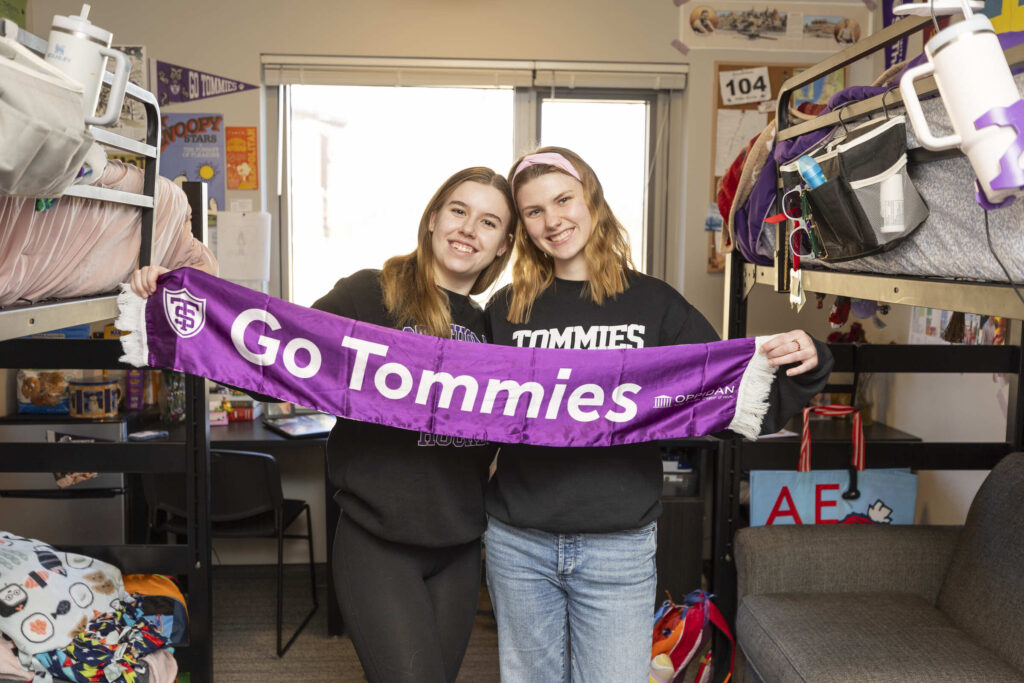
At St. Thomas, first-year students will mostly have the housing option of double bedrooms, with community restrooms and community spaces for studying and lounging. Second-year students can select from suites and apartment-style residence halls.
Whether through a late-night check-in, a pizza-fueled game of capture the flag, or a quiet word of encouragement, RAs are often the first people to transform a hall into a community.
“Living on campus is a great way to stay connected all year,” Roosevelt said. “I loved being part of that as a resident, and now I’m proud to help create it for others.”