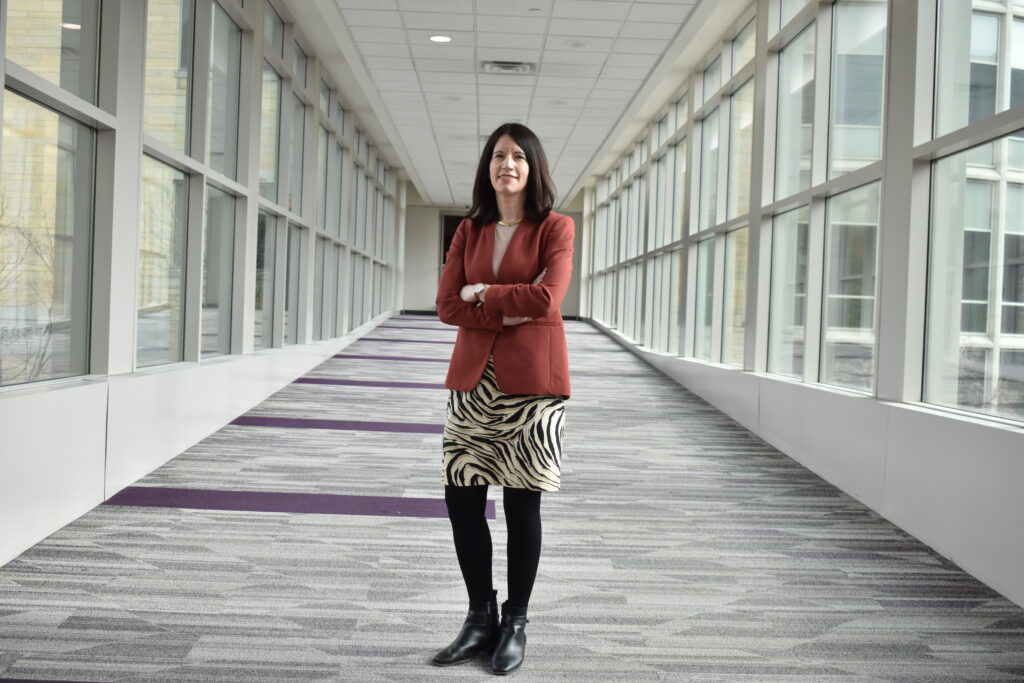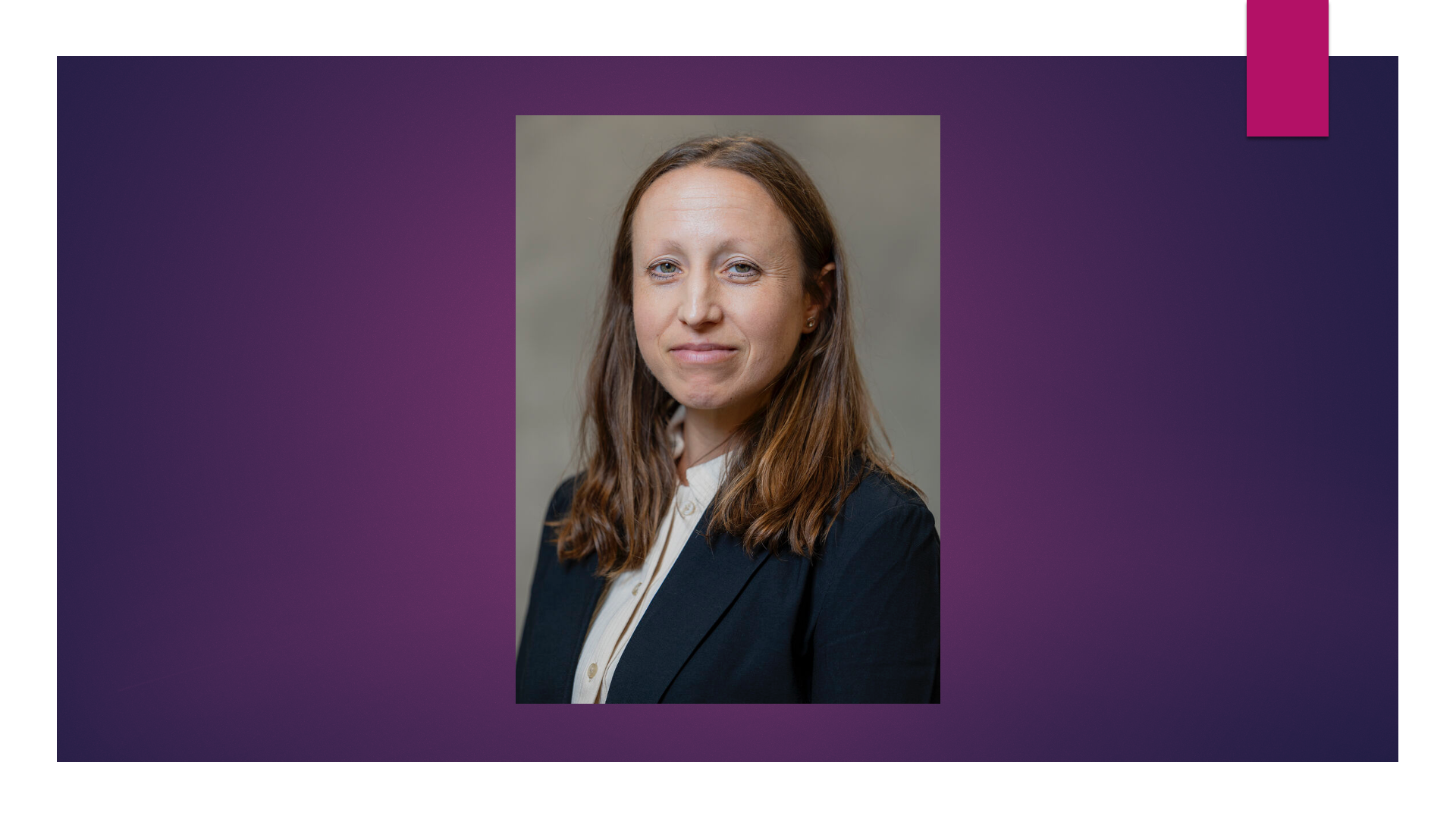
Assistant Professor Lana Medina, media literacy educator in the College of Arts and Sciences at the University of St. Thomas, joined MPR News host Angela Davis to discuss how artificial intelligence, social media algorithms and rapid online sharing are making it increasingly difficult to distinguish fact from fiction. During the conversation, Medina explained how AI-generated images, videos and voices can mimic legitimate journalism, why misleading content often spreads faster than verified news, and what individuals can do to better evaluate the information they encounter online.

From the conversation:
Davis: We live in a moment when information is everywhere on our phones, on our TVs, in our group chats. But knowing what is actually true has never been harder. We see photos, videos, and headlines that look real, sound real, and feel real, but some of them are not. Some are taken out of context, some are manipulated, and some are completely made up, created by AI and designed to fool us.
The problem is not that people are suddenly more careless or gullible. The problem is that the tools for deception have become increasingly easy to use. In fact, it has become so challenging to tell truth from fiction that many colleges and universities around the country are now offering classes on how to spot misinformation and digital manipulation. ...
Davis: Lana, this feels different than it did even five or 10 years ago.
Medina: Absolutely. Algorithms have made it infinitely easier for this content to be shared and spread. And the type of content being shared, especially generative AI, feeds off the fact that most videos are very short. You are not using much cognitive effort. You scroll, you swipe, and you move on so quickly that it is hard to stop and think, is this real or not?
It starts to make you question everything, even what many of us would consider legitimate journalism or trusted news sources. As a journalist, we spend time fact-checking, verifying, and checking with other sources. That takes time. But people creating misinformation, especially deliberately, are not worried about that. Their content often comes out first.