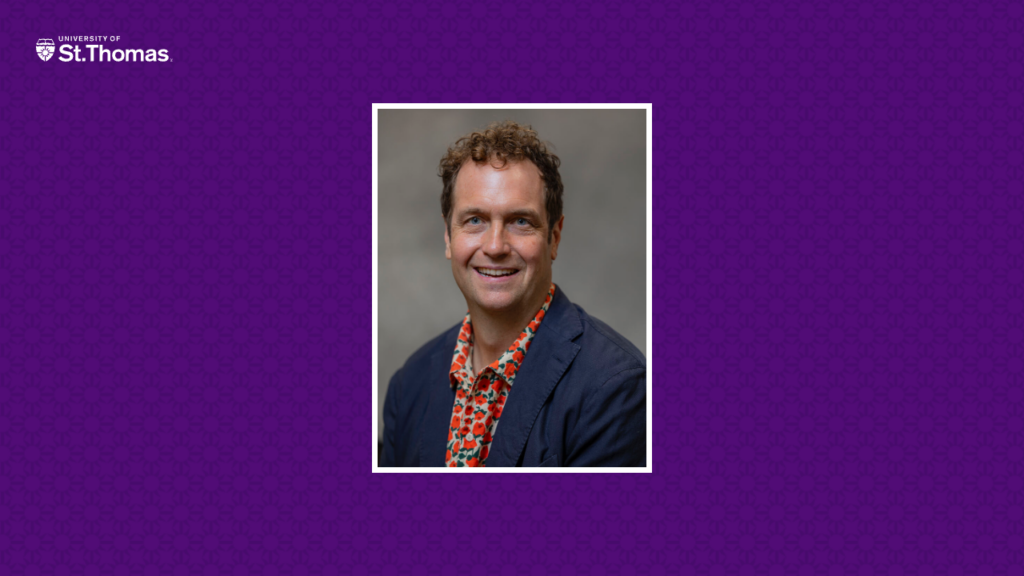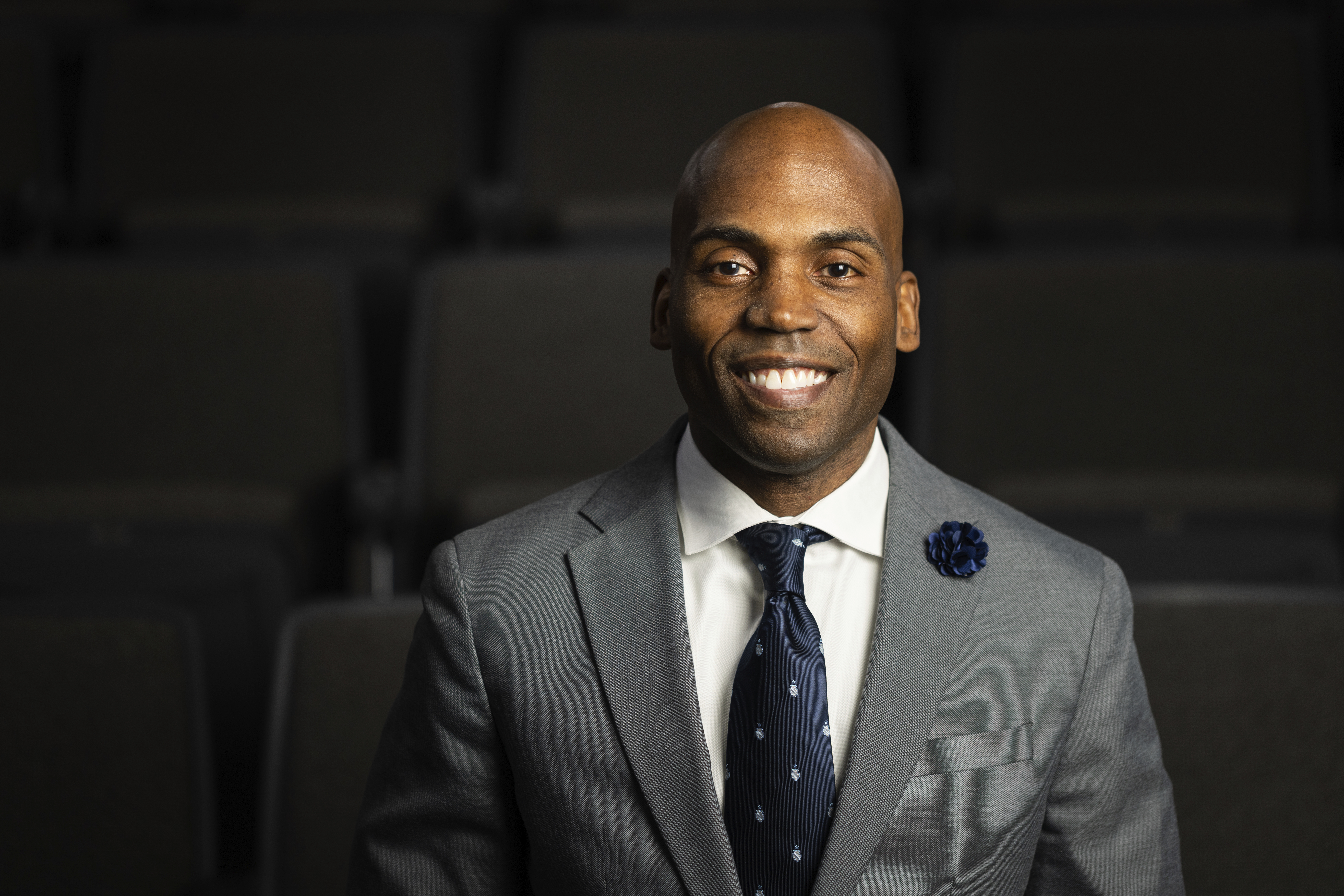
Yohuru Williams, founding director of the Racial Justice Initiative and Distinguished University Chair at the University of St. Thomas, spoke with KSTP about the Minneapolis Police Department’s use of “coaching” to address officer misconduct. Williams discussed how the practice can limit public transparency because coaching is not considered formal discipline under Minnesota law, raising questions about accountability and public trust.

From the story:
A new analysis of police chief disciplinary decisions in the Minneapolis Police Department (MPD) shows “coaching” is the most common way officer misconduct is handled. ...
The issue, according to Yohuru Williams, a policing analyst, history professor, and founding director of the Racial Justice Initiative at the University of St. Thomas, is that when coaching is used in place of formal discipline, everything about that case is protected as private information under state law because coaching is not defined as discipline.
What is coaching?
“That’s the big question, is, what is coaching?” said Williams, PhD.
Williams said the larger concern is the lack of information around what coaching is being used for.
MPD declined an interview, but a spokesperson said, “Coaching is a non-disciplinary means of addressing conduct or performance,” adding that it generally involves a conversation between that officer and a supervisor.
Because coaching is not defined as discipline under state law, information tied to those cases is private. Williams said that limits public accountability and transparency.
“Discipline would be public, so we don’t know what that coaching is being done for,” said Williams. “And since you saw so many cases being redirected toward coaching, both by the chief and by Internal Affairs, it raises this issue: What were those corrective actions? And, did they, or should they, have risen higher in terms of the discipline matrix?”