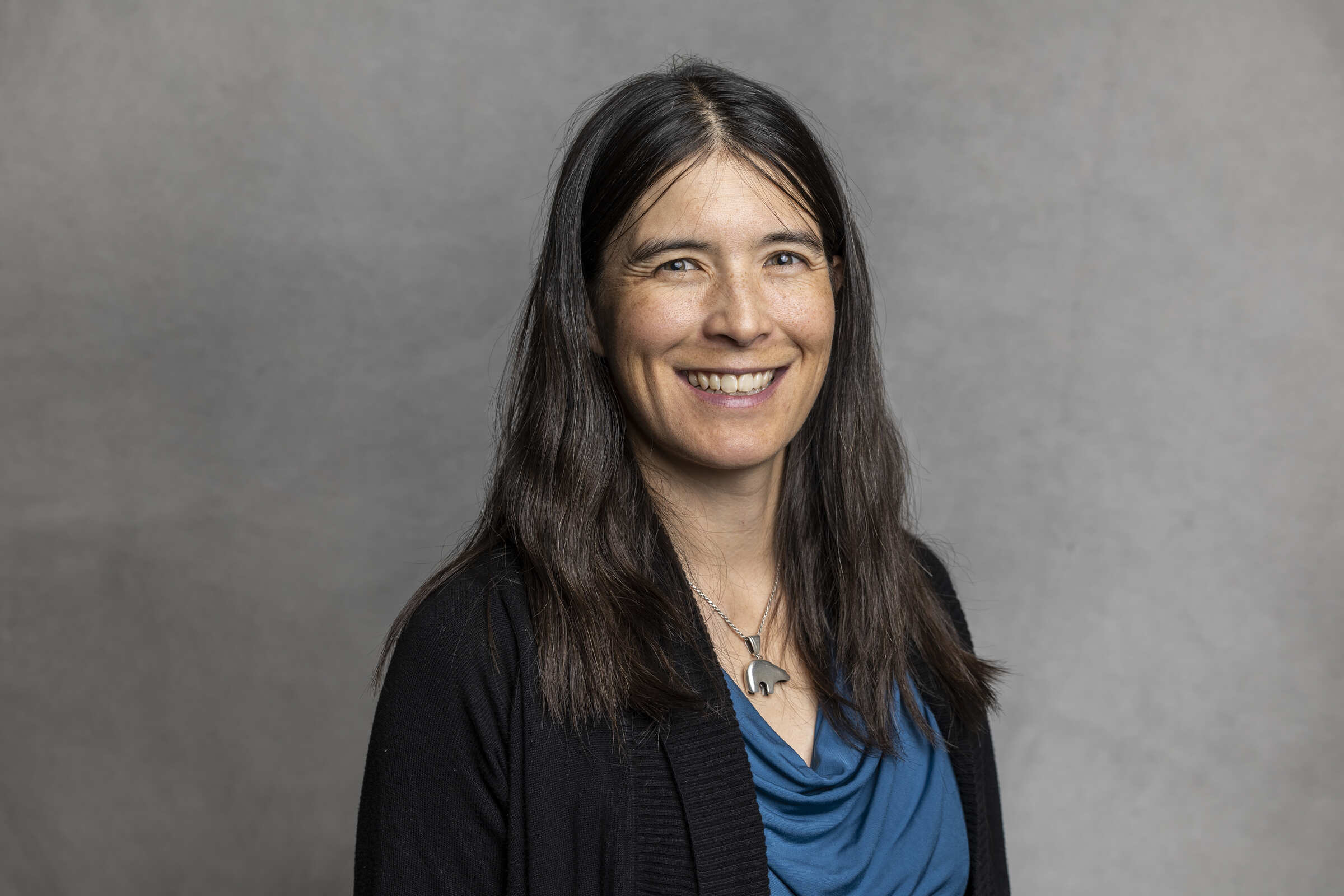
Ali Ling, an assistant professor of civil engineering at the University of St. Thomas, was recently featured in two media outlets, Chemistry World and Le Monde, about PFAS pollution in Europe and what the cost of cleanup looks like. “PFAS remediation across Europe: costs and limited impacts,” Ling’s study, provides two possibilities, both concluding with calls for imminent action from source companies and regulators.
From Chemistry World:
Now, a team led by Ali Ling from the University of St Thomas in Minnesota, US, has analysed publicly available datasets to estimate the cost of treating current and future PFAS pollution in Europe. ‘The European Commission’s report looked more broadly at societal costs, including healthcare costs, [whereas] our report focusses on a more comprehensive analysis of remediating PFAS,’ explains Ling.
The new study details two possible scenarios for PFAS remediation. The first, which Ling and co-workers call the legacy scenario, considers the cost of treating historic long-chain PFAS in drinking water, landfill and heavily contaminated soil sites using current remediation technologies such as granular activated carbon adsorption and ex situ soil washing. The second, called the emerging scenario, extends to continuously remediating both long- and short-chain PFAS from future wastewater effluents. Based on these scenarios, Ling and co-workers estimate the cost of legacy remediation at €37 billion over 20 years, equivalent to €1.8 billion per year, and emerging remediation at €100 billion per year.
However, these estimates account for only a fraction of future emissions because they do not include industrial wastewater and air emissions and ambient soil and water treatment. ‘I had this niggling question in the back my mind: “How much PFAS are we actually getting at with this level of remediation?”’, says Ling. ‘The emerging scenario that we presented is quite an aggressive remediation strategy and I wanted to know how much PFAS we can remediate with that strategy. I ran the numbers and it came out as less than 2% of current emissions. Frankly, I didn’t believe it. [This finding] frees us from the paralysis of feeling that we need to clean it all up – we just can’t. We need to focus on reducing uses and emissions and taking care of people.’
From Le Monde:

A staggering cost for negligible effectiveness. Massively equipping Europe with decontamination technologies would remove less than 2% of annual emissions of per- and polyfluoroalkyl substances (PFAS), these ultra-persistent chemical compounds linked to a growing number of diseases. This figure is so low that scientists Ali Ling (University of St. Thomas, Minnesota, USA) and Hans Peter Arp (Norwegian University of Science and Technology) initially suspected a calculation error.