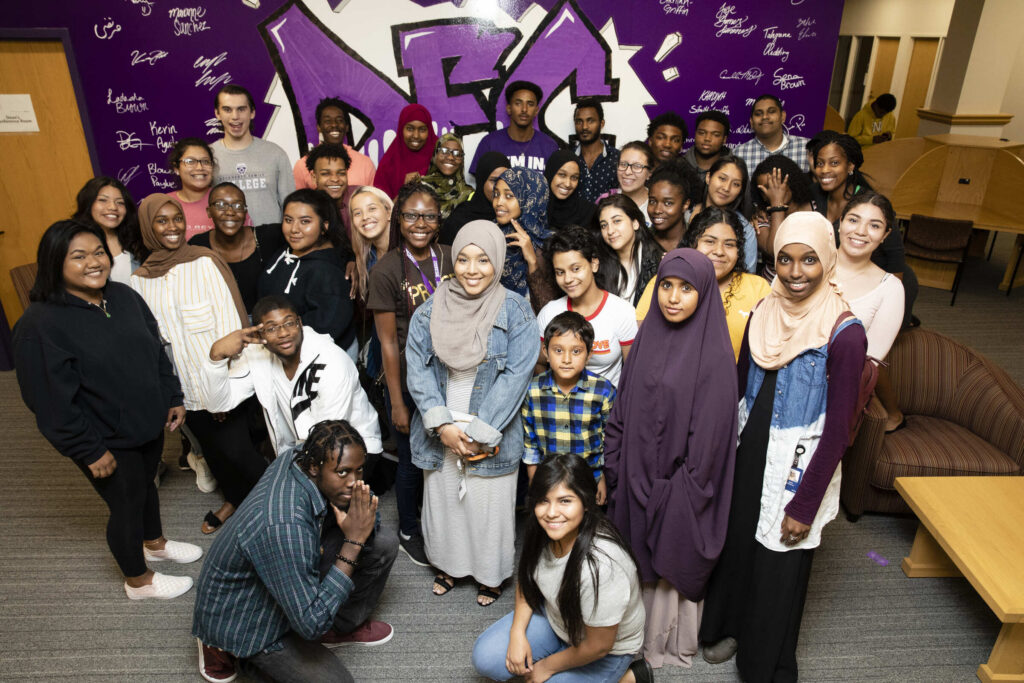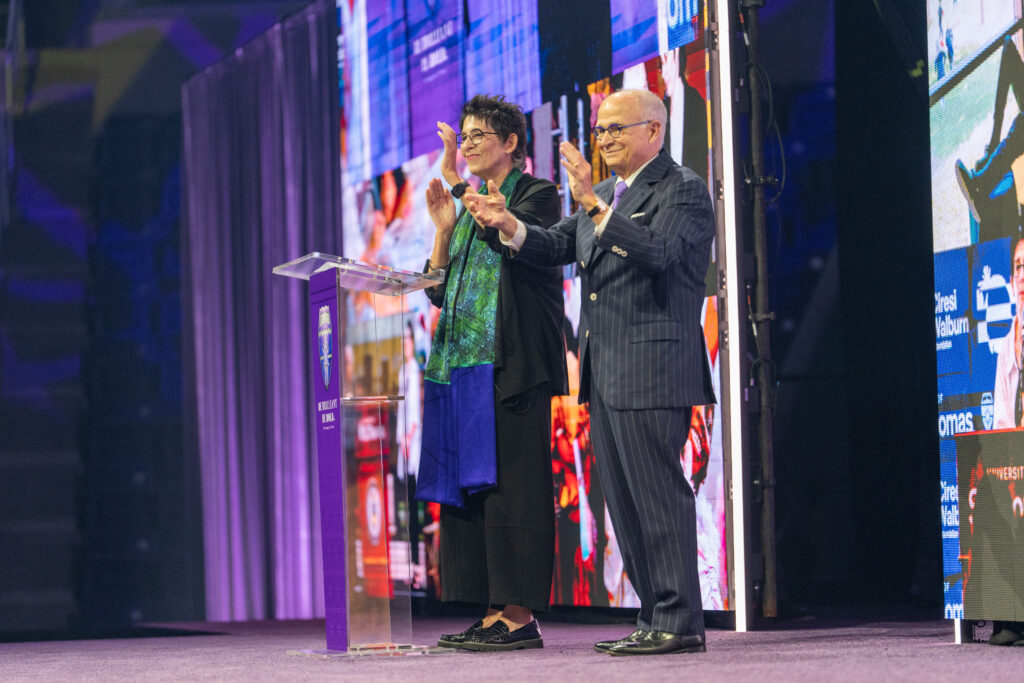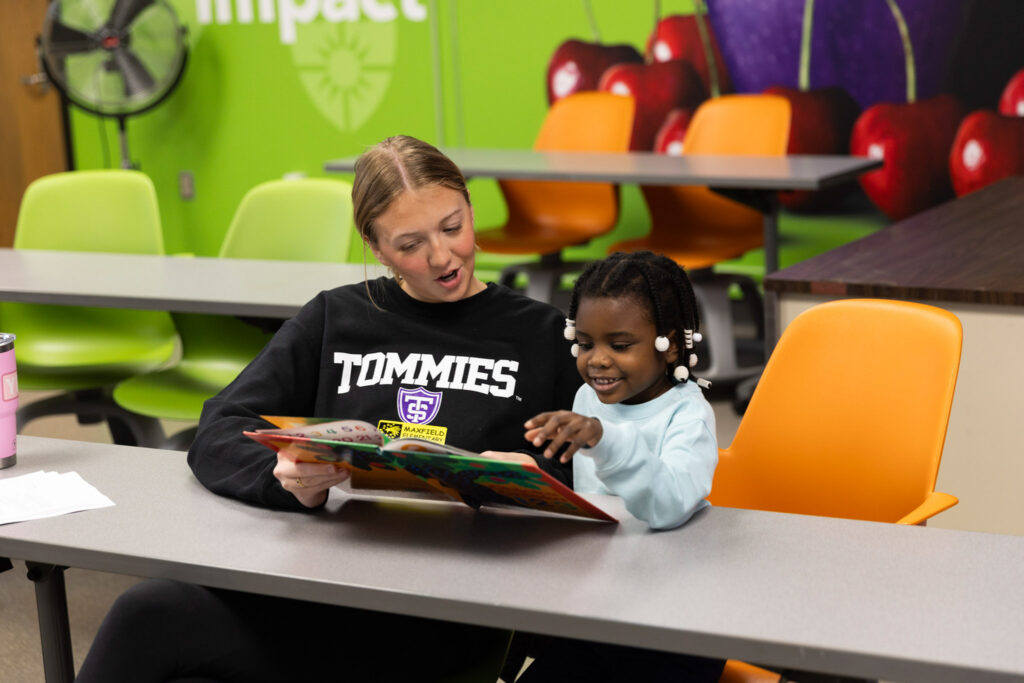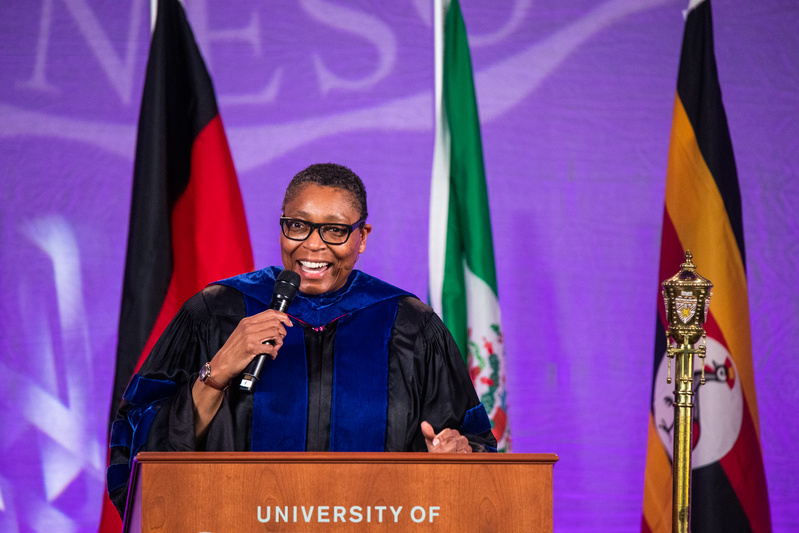
Buffy Smith, dean of Dougherty Family College at the University of St. Thomas, recently cowrote an op-ed for U.S. News & World Report with Carolyn Gentle-Genitty of Founder’s College at Butler University on the role embedded two-year colleges play in supporting nontraditional learners. The two wrote that flexible schedules, wraparound support and clear routes to bachelor’s degrees make these programs a strong option for students balancing work, family and financial pressures, offering an affordable and structured alternative that helps more students enroll, persist and graduate.

From the article:
For decades, community colleges and four-year universities have occupied separate lanes in American higher education. But a new model has emerged where students can get the best of both worlds by embedding two-year colleges within four-year institutions.
These days, the majority of college students are considered nontraditional learners: They’re parents and caretakers, full- and part-time workers balancing competing responsibilities. Students from these dynamic lives want affordable education and academic support alongside the prestige and resources of a university campus. And embedded programs meet them where they are.
This embedded model addresses several pressing criticisms of higher education at once: skyrocketing costs, low completion rates and questions of return on investment. Students shouldn’t have to gamble two years of tuition just to figure out if they will fit in or even finish. Nor should they be stranded without a credential or a viable next step.
But the goal goes beyond reducing tuition costs and fees; embedded programs are meant to remove the hidden barriers that often derail first-generation and low-income students from attending college. Class schedules are designed to leave time for amenities community college students often struggle to access, including support services, extracurricular activities and paid internships.