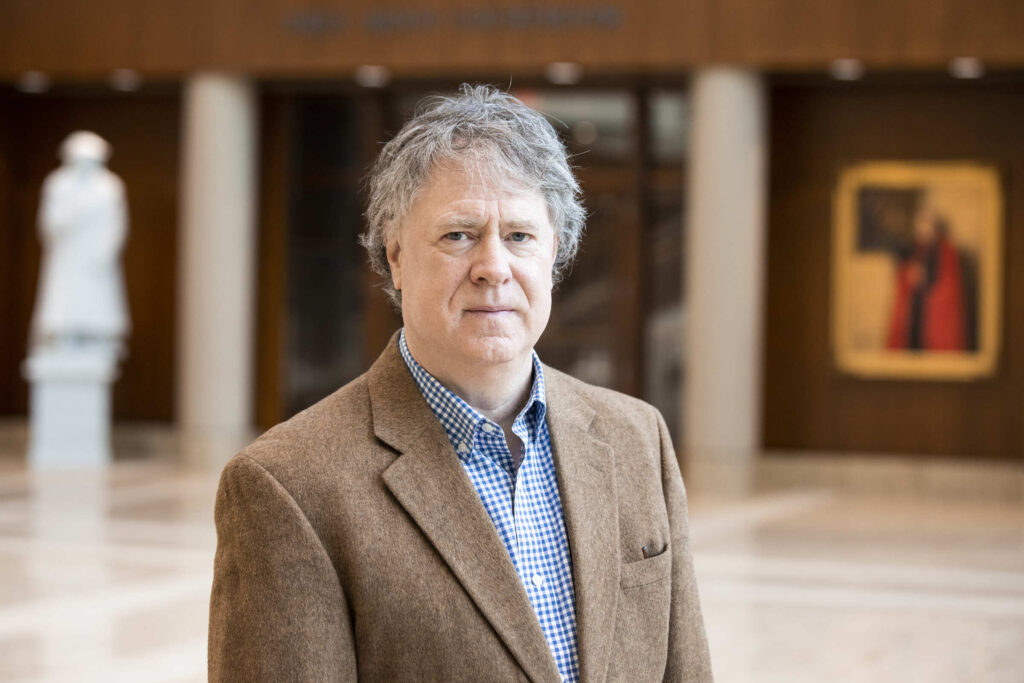
Mark Osler, professor of law at the University of St. Thomas School of Law and a nationally recognized expert on clemency, was quoted by Straight Arrow News in an in-depth analysis of how presidential pardon practices have changed in the wake of the Jan. 6 cases. Osler explained that a president’s use of pardon power often reflects personal values rather than traditional standards focused on rehabilitation and accountability, as the Trump administration’s broad clemency actions have sparked debate over recidivism, risk and the future role of the Office of the Pardon Attorney.

From the article:
Several people pardoned for their involvement in the Jan. 6, 2021, attack on the U.S. Capitol have been rearrested, charged or convicted of new crimes, according to a Straight Arrow News analysis. Those alleged crimes include making terroristic threats, child sex offenses and a deadly drunk-driving crash.
On Jan. 20, 2025, President Donald Trump issued blanket pardons and sentence commutations for more than 1,500 people tied to the 2021 Capitol riot.
Under Department of Justice clemency guidelines, those seeking clemency are typically expected to wait at least five years after conviction or completing their sentence – whichever is later – before applying for a pardon. However, those guidelines are not binding, according to Peter Katz, a criminal defense attorney who specializes in federal pardons and is a former DOJ trial attorney. ...
It is also unclear what will guide the president’s future clemency decisions.
Mark Osler, a law professor at the University of St. Thomas School of Law and a nationally recognized expert on clemency, previously told SAN that a president’s use of pardon power often reflects personal values.
“We’re seeing a huge number relative to other presidents of people accused of financial crimes and bribery and other types of white-collar crimes,” Osler said.