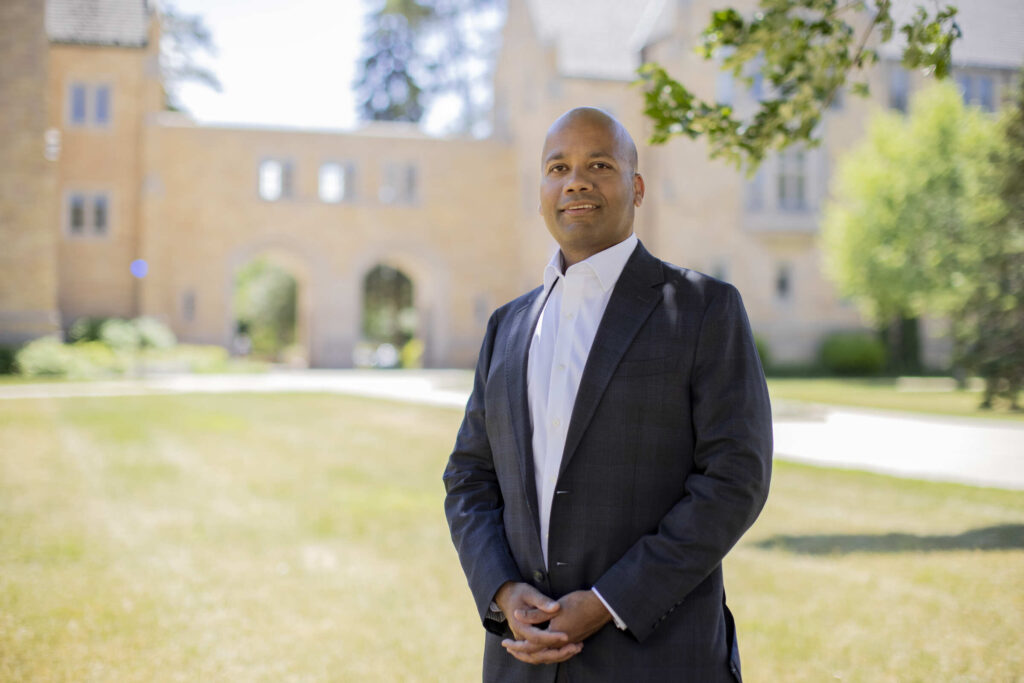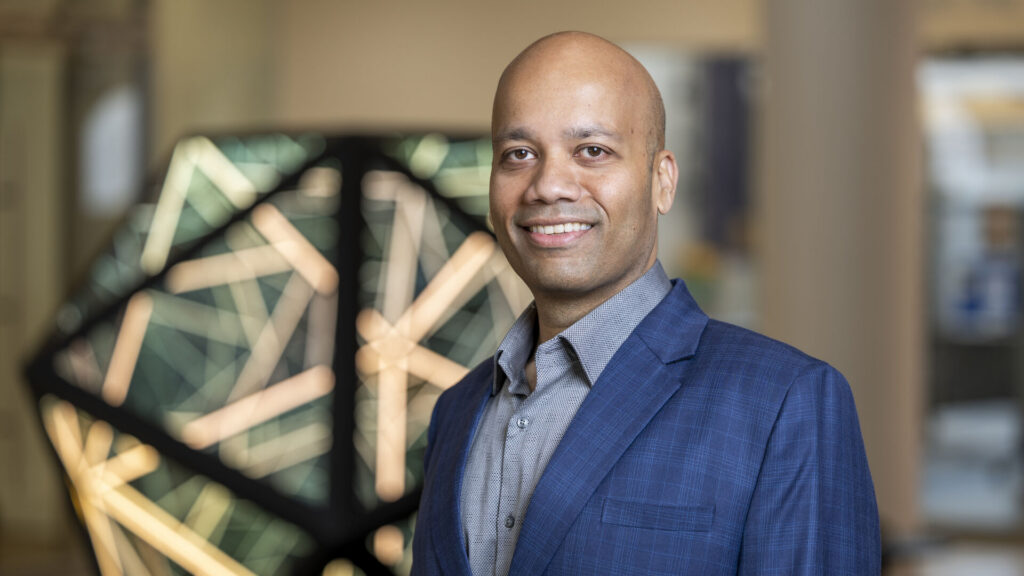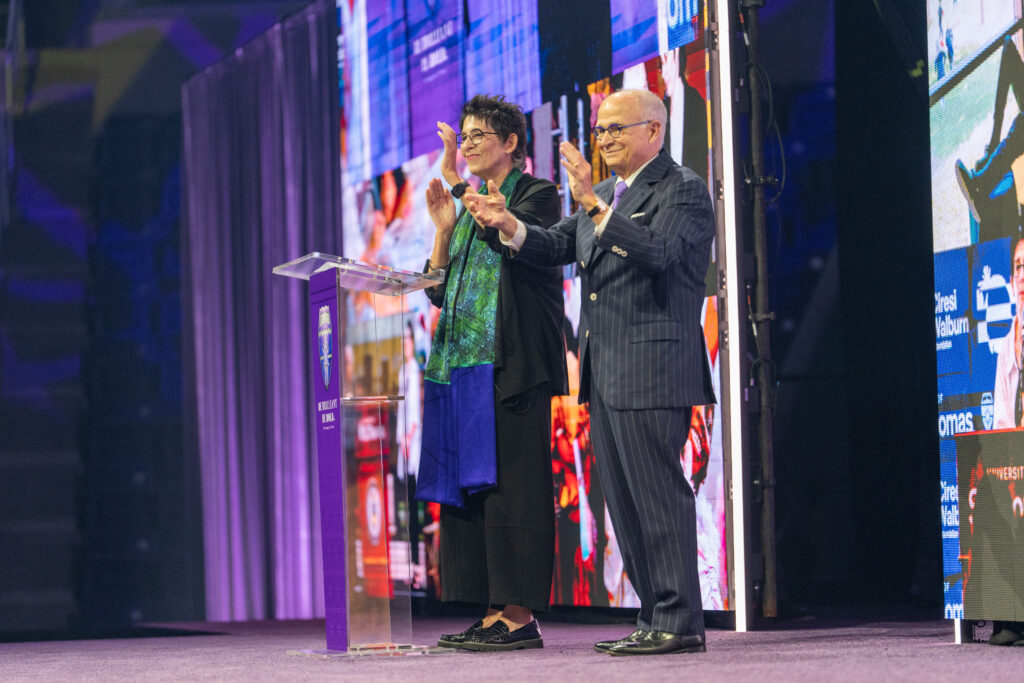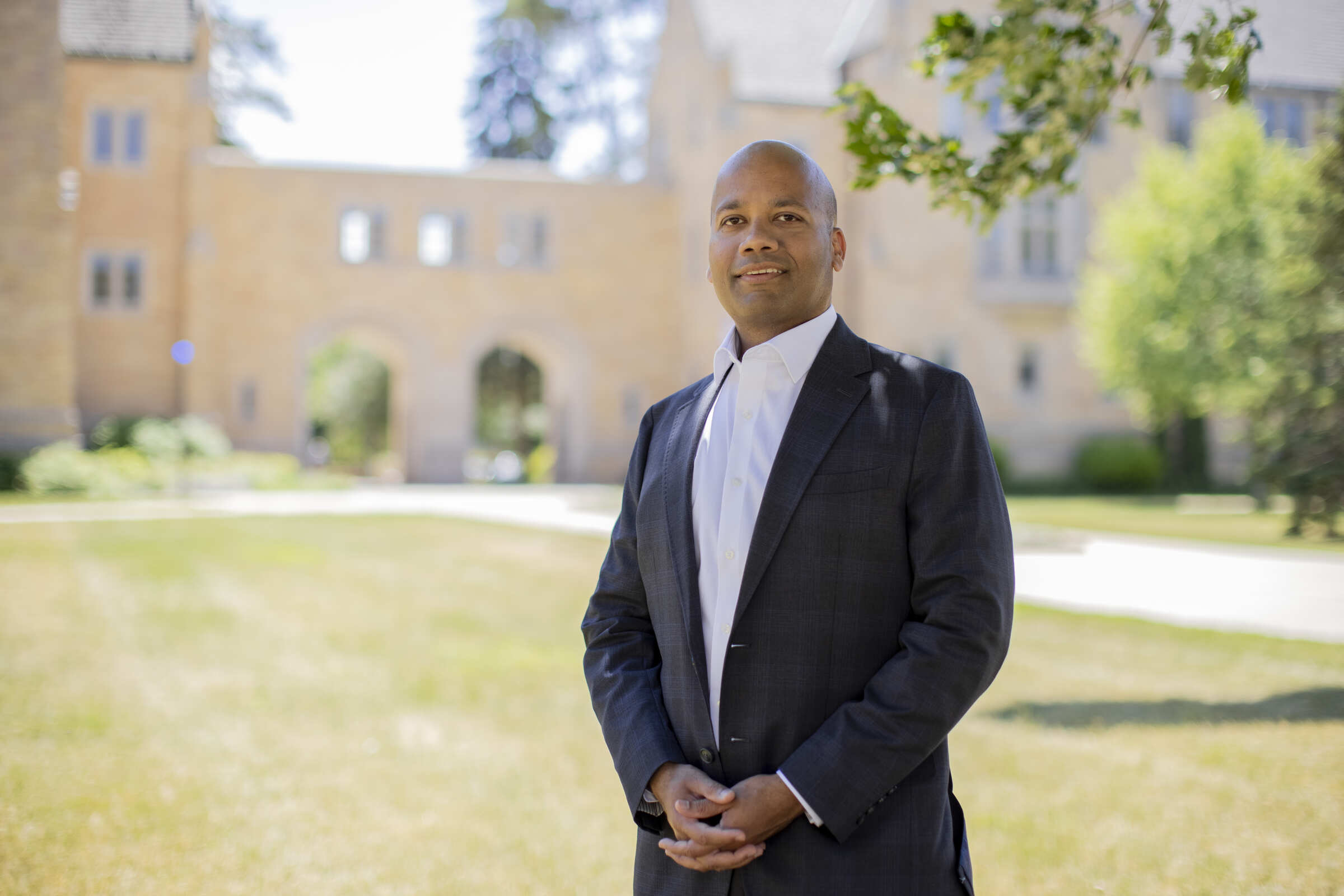
Manjeet Rege, director of the Center for Applied Artificial Intelligence and professor and chair of the Department of Software Engineering and Data Science, spoke earlier this year before the Minnesota Senate Labor Committee to discuss the state’s AI future. During the hearing, he emphasized how Minnesota might position itself as "AI-first.”
In this Tommie Experts piece, he shares how his research informed the insights he shared with the legislators and how this rapidly evolving technology will reshape the U.S. economy and job market.
Generative AI is rapidly transforming industries from healthcare to logistics. The McKinsey Global Institute found that over 60% of today's work activities could be automated to some degree with technologies we already have. And let's be honest, this hits hardest for the most vulnerable – people in lower-wage jobs, those with less education and women, who are overrepresented in office support and customer service roles, as the Kenan Institute has documented.
However, an Amazon Web Services Skills study found that 94% of employers expect to use AI by 2028, yet 73% can't find qualified people. The same study showed AI skills could boost salaries by 19%-28%. So, we're not just talking about preventing job losses, we're talking about creating real opportunities for economic mobility.
As AI infiltrates our workplaces, Minnesota should respond with both foresight and compassion if we expect to be an AI-first state. This means a serious investment in reskilling programs, particularly for people in threatened occupations. We should create incentives for employers to upskill their workers and build transition pathways into growing fields like healthcare, STEM, and AI-adjacent areas, such as human resources, insurance and data services. And yes, we need safety nets such as portable benefits, quick training grants and job-matching services to make sure nobody falls through the cracks.
Minnesota is already seeing promising movement in this direction. We’re home to Mayo Clinic, the largest AI patent filer in its industry. We have a thriving tech scene, with a mix of established companies like 3M, Medtronic, and SPS Commerce investing in AI. We are robust with innovative startups, including Xylo AI, Flywheel, and Nested Knowledge. And in 2023, the U.S. Department of Commerce even designated the greater Minneapolis-St. Paul region as a “Tech Hub.”
Analysts at the Minnesota Department of Employment and Economic Development also recognize Minnesota’s potential for a competitive AI advantage in innovation and economic growth. They found that “56% of indexed occupations in Minnesota have a higher exposure to AI, which would equate to more than 1.6 million jobs across the entire state economy (if all occupations are considered).”
The DEED analysts recognize that education, from retraining to investment in K-12 and higher education, is a part of the solution when it comes to preparing Minnesota's workforce for this inevitable shift. At the University of St. Thomas, we’ve already gotten started. We offer graduate-level AI programs to support professional reskilling. Currently, the School of Engineering is partnering with Boston Scientific to deliver two dedicated cohorts of an AI graduate program aimed at reskilling their employees. Other programs are in place in our other schools and colleges as well, including a new master’s degree in AI Leadership from the College of Arts and Sciences. These are exactly the kind of forward-thinking initiatives and partnerships that can help Minnesota build a resilient, AI-ready workforce.
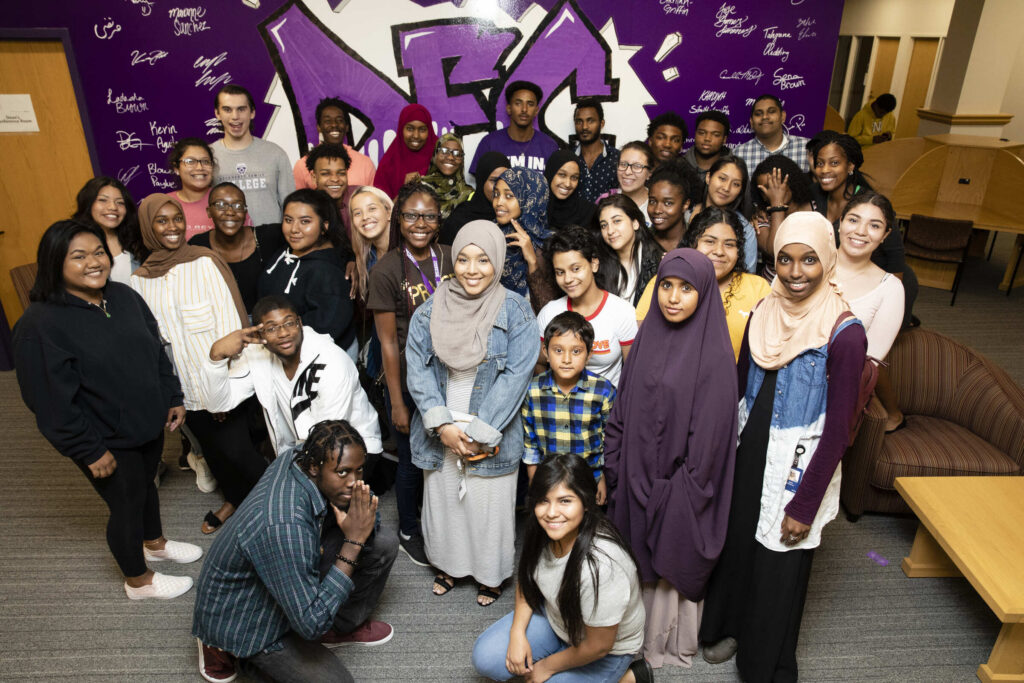
However, if Minnesota wants to truly lead in AI, we've got to start young. That means weaving AI and computational thinking throughout our K-12 education.
Here's a sobering fact: according to Code.org's 2024 report on computer science education, Minnesota ranks a dismal 48th out of 50 states in access to foundational computer science in K-12 public schools. That's not just disappointing, it's alarming. If we remain behind, our children will pay the price.
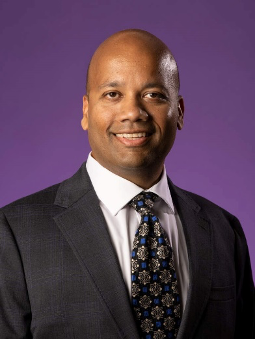
Dr. Manjeet Rege is a distinguished academic and industry leader in the fields of data science and artificial intelligence. As a professor and the chair of the Department of Software Engineering and Data Science at the University of St. Thomas, he has made substantial contributions to the academic world, evidenced by his recognition as a Leading Academic Data Leader for 2023 by CDO Magazine. Rege also serves as the director of the Center for Applied Artificial Intelligence at the University of St. Thomas, where he oversees initiatives that blend academic research with practical applications in AI.
Related Content

Tommie Expert: Why Facial Recognition Deserves a Role in Criminal Investigations
Artificial Intelligence