When Abigail Paulino arrived as a first-year student at the University of St. Thomas, she felt the same mix of emotions felt by thousands of newly enrolled students across college campuses each fall. But unlike most, she had traveled more than 6,000 miles from her home in Guam to begin her college career in Minnesota.
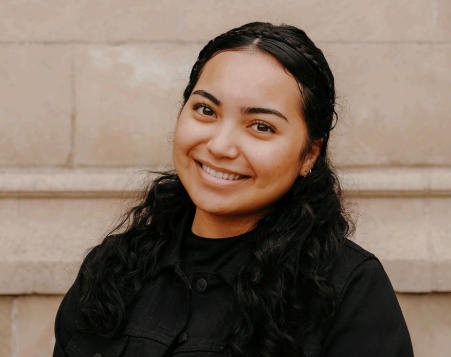
The moment she first opened the door to her residence hall room, her excitement shifted to worry. The empty space in front of her overwhelmed her. It felt too large and too empty, yet she needed to make this room a home and a personal refuge on a tight budget.
Paulino realized the challenge was not just financial; it was also emotional. “That’s when it hit me. It’s not just about the money, or the furniture. It’s about making that home away from home, creating that safe space for yourself,” Paulino said.
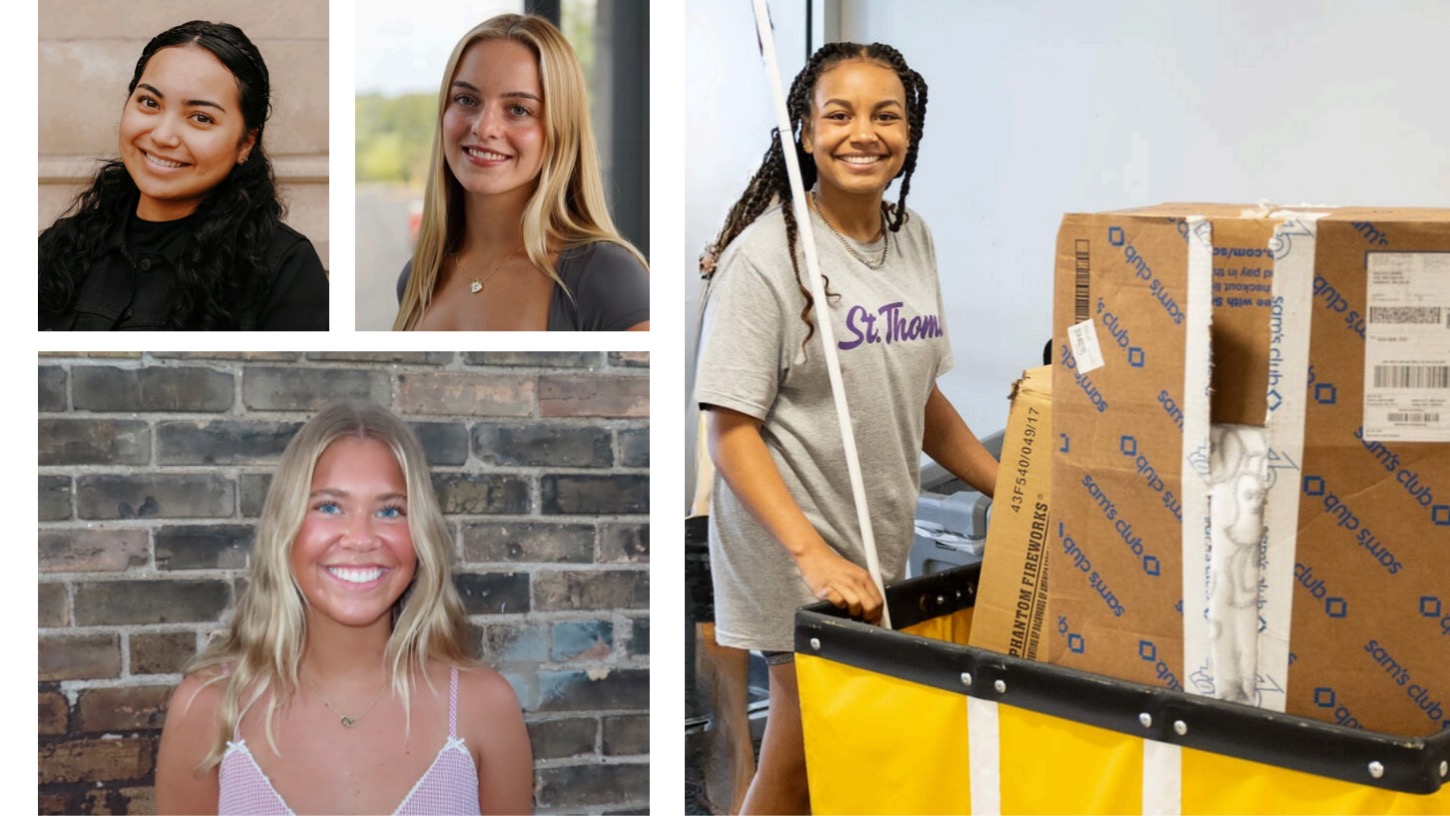
Now a senior marketing management major, she is channeling that early experience into Tommie Takeback, a student-run sustainability venture she leads with marketing classmates Cassia Cady and Carley Cranston.
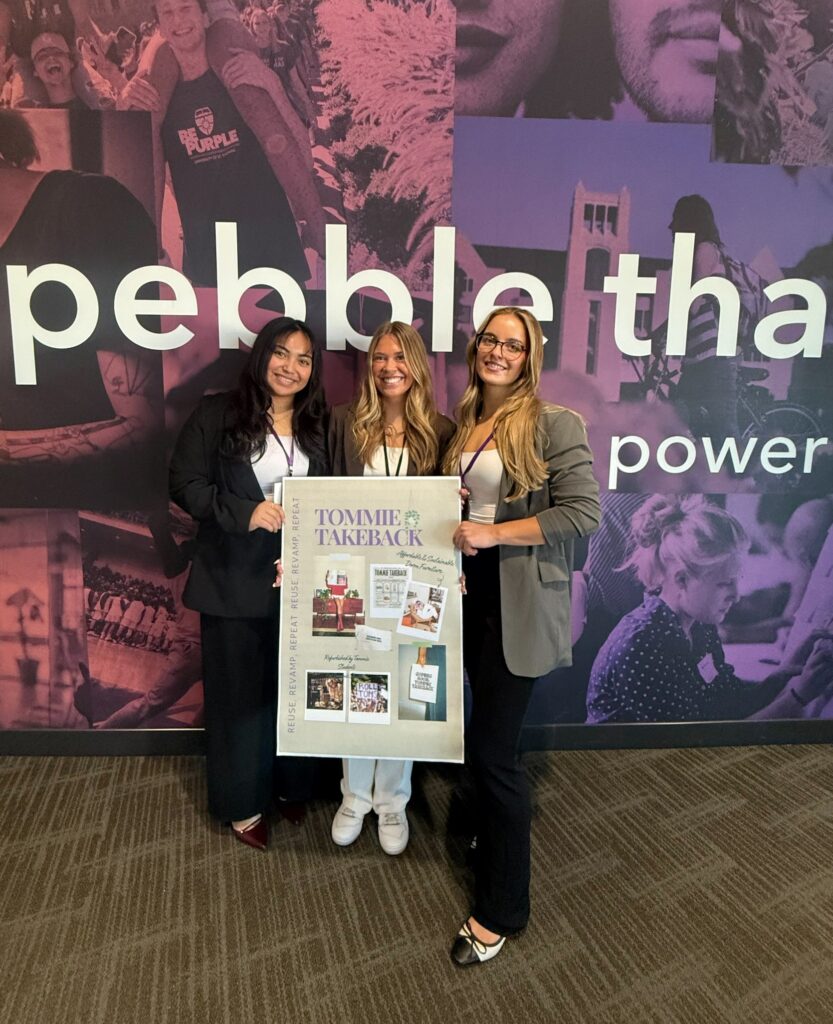
The trio, who remembers the expense of moving in, knows how stressful move out day can be. Used furniture students obtained on Facebook Marketplace or new at Target anywhere from a few months to four years earlier can be hard to resell or donate.
Often chairs, futons, lamps and small tables end up in a heap of wood, metal, and fabric on the curb or in a fenced collection area on the side of the street. The rainy season often sweeps in and causes water damage, making the furniture unsalvageable.
About 6.8 tons of trash is generated during move out each year. “This is an estimate based on previous years’ data of dumpsters that we use to collect material that is not donatable,” said Shane Philhower, assistant director of custodial services at St. Thomas.
Enter Tommie Takeback. The business aims to reduce furniture waste by collecting, refurbishing, and upcycling usable items before they’re damaged. The business will then partner with engineering students in the Fabrication Skills Lab 225 course, where they will redesign those pieces.

The students created this innovative business through Consumer Behavior - MKTG 370, a class taught by Dr. Anu Bharadwaj. The Opus College of Business assistant professor guides students to create their own brands with hands-on experience with product prototypes in the create[space]. The class primarily focuses on “a Gen Z consumer need and applies behavioral psychology in marketing strategy and communication,” Bharadwaj said.
Each semester, student groups are made and the create[space] is used to make a model for a sustainable project. These include repurposing plastic waste from the ocean into office supplies, upcycling clothing and bedding into tote bags, and creating watercolor paint palettes from dried flower bouquets.
“A core aspect of my course is centered around how we can engage in meaningful marketing, including a strong focus on environmental sustainability,” Bharadwaj said.
Tommie Takeback does just that. During the new school year’s Welcome Week, the renewed pieces will be sold to students at a reasonably low price. The most unique factor in Tommie Takeback is the Legacy program, where students can leave handwritten notes with their donated items.
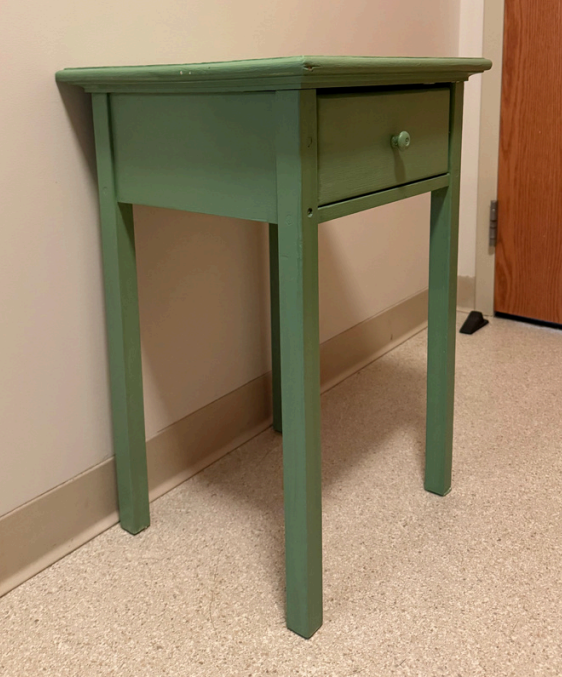
A real-life example is the green side table in the Theology Department, located in the John R. Roach Center for Liberal Arts. The Tommie Takeback crew sanded it, giving it fresh paint and new handles. The side table is now used as a fresh fruit stand for students.
"Students have loved the opportunity to lean into their creative sides while incorporating class concepts into their group projects,” Bharadwaj said.
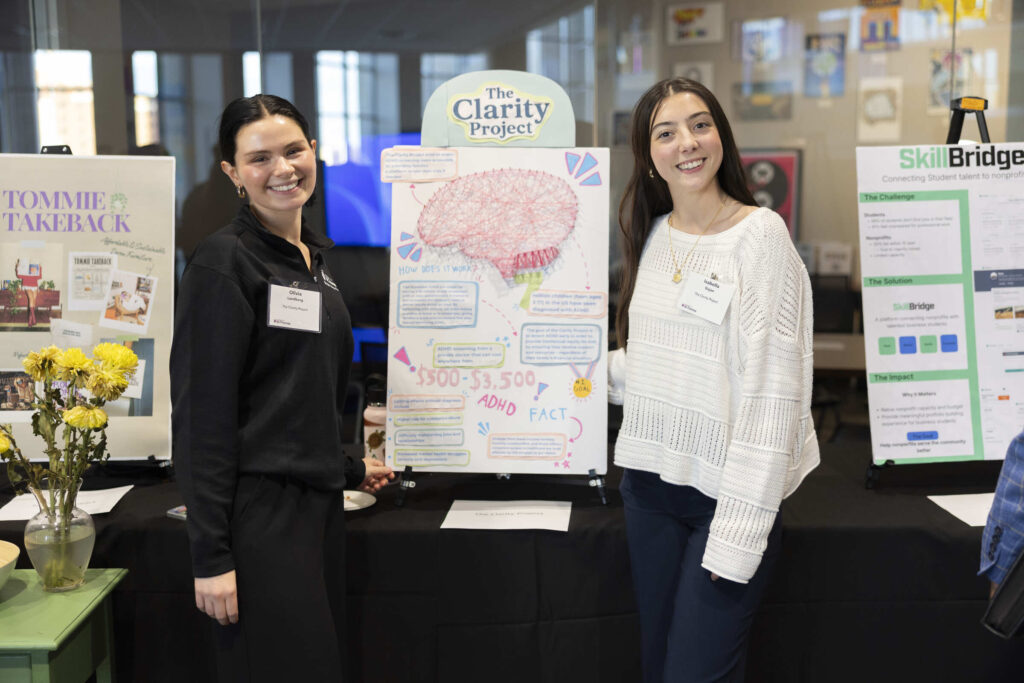
Tommie Takeback was one of 115 student businesses to enter the 17th Fowler Business Concept Challenge. More than 140 students from 42 academic programs across St. Thomas pitched their startup concepts.

“The university is committed to embedding a culture of bold, human-centered innovation and entrepreneurial thinking into every St. Thomas student’s experience,” said Jessica Cooley, executive director of the Schulze School of Entrepreneurship. “The Fowler is a great way for students across campus to exercise the innovative mindset in a structured and supportive environment.”
The Fowler competition was designed to spark entrepreneurial thinking across campus and invites students to pitch business concepts with the potential to make a larger impact.
“It’s cool to do something that’s not required,” Cady said. “It’s something that we’re going beyond what we have to do, and I think that makes it more rewarding.”