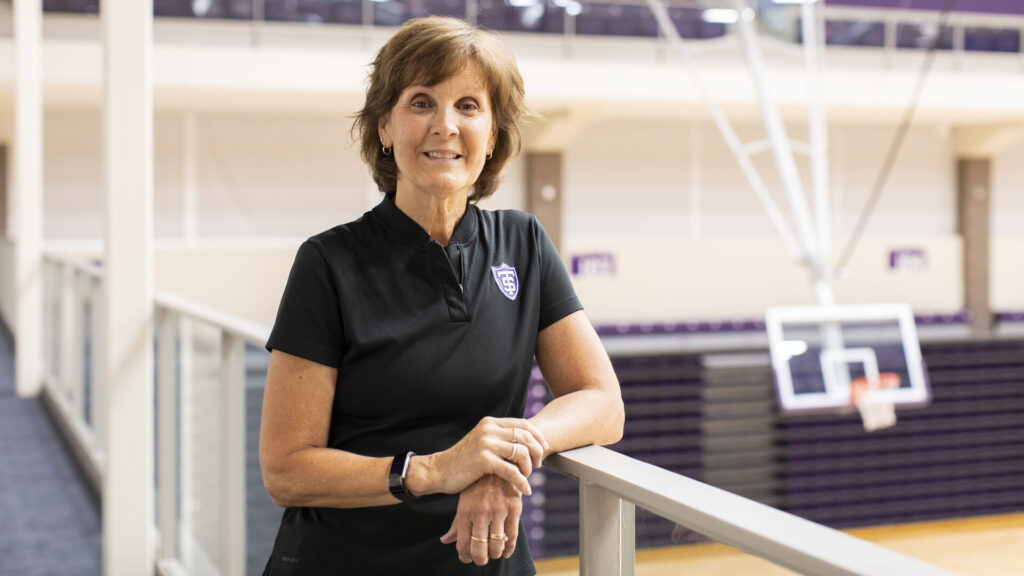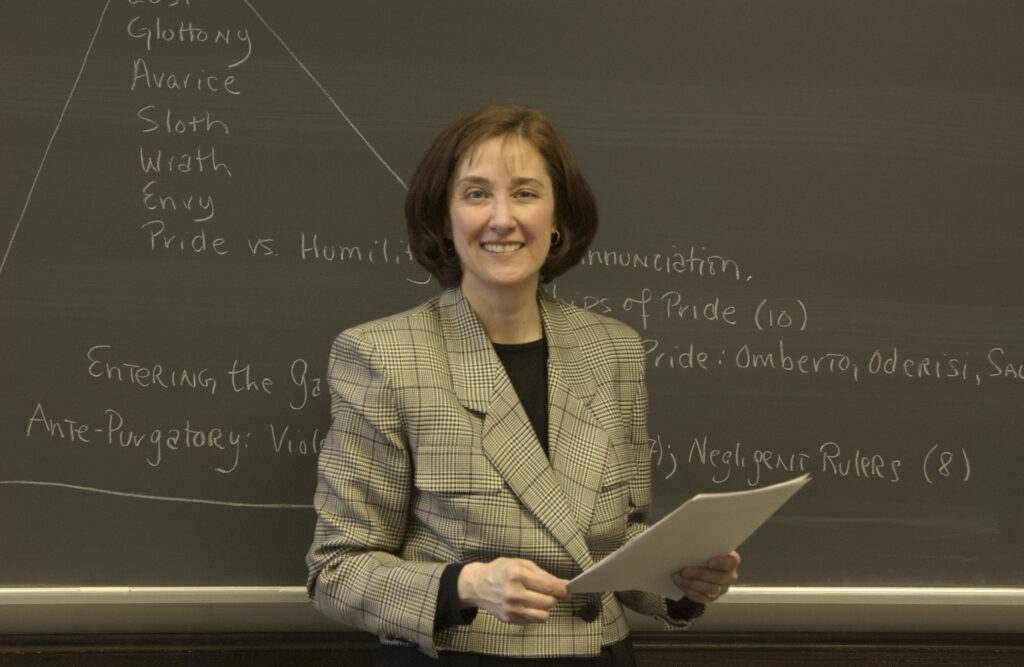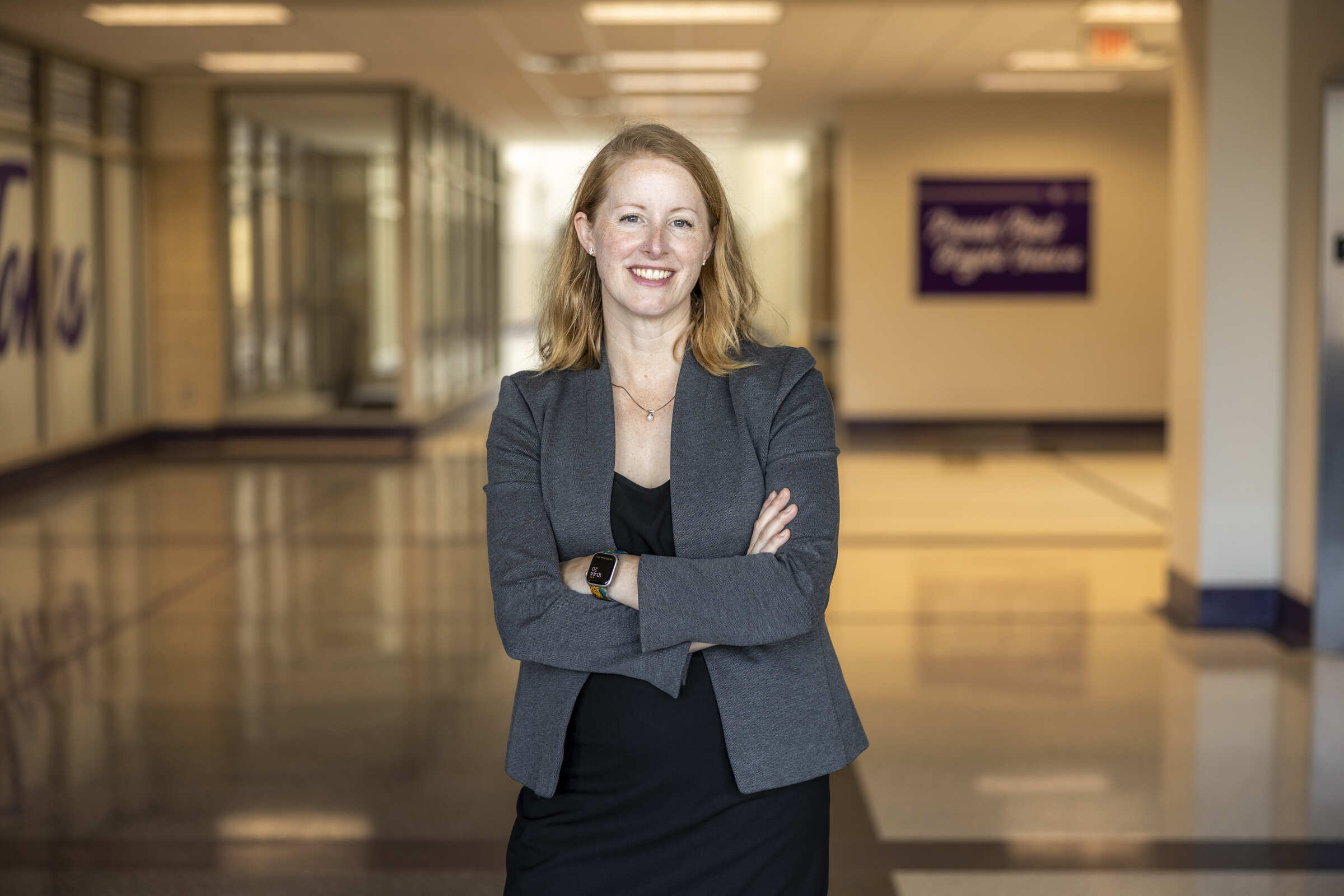
Food guilt doesn’t belong at the dinner table nor in the classroom. That’s the philosophy driving Amber Roy’s work at the University of St. Thomas. A registered dietitian nutritionist (RDN) and senior clinical professor, Roy is the nutrition program director for the Department of Health and Exercise Science. She teaches students to focus on overall diet satisfaction.
“A balanced or healthy eating pattern involves a wide range of foods,” Roy said. “My food philosophy is any food can really fit into that. I really focus on foods that are part of someone’s food culture and help them achieve their health and well-being goals while still eating foods for fun.”
Building a major from scratch
That philosophy has shaped the rapid growth of St. Thomas’ nutrition program. When Roy joined St. Thomas in 2019, the university offered only one course in nutrition. Within a few years, she built a minor during COVID-19 and later helped establish a full nutrition major within the Morrison Family College of Health.
“The timing was right,” Roy said. “Like many other health professions, dietetics is moving toward requiring a master’s degree for entry into the field. Building an undergraduate major gives students the preparation and prerequisites they need for graduate studies and careers in nutrition and food science.”
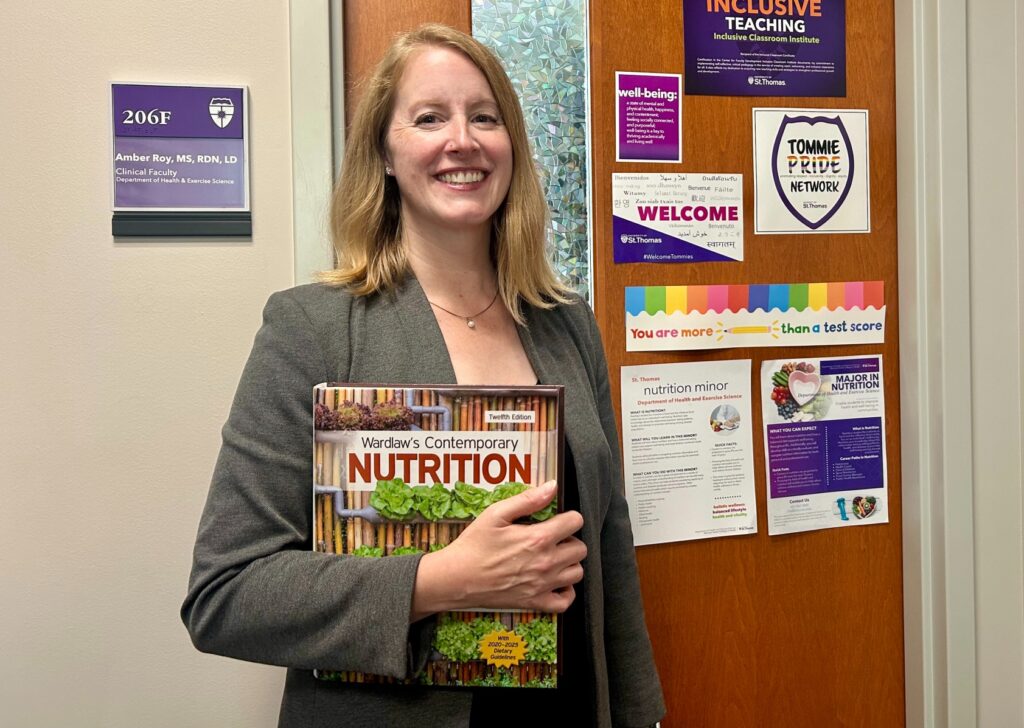
The courses focus on the science that connects food and eating to health and wellbeing while evaluating the information that surrounds everyone about food and nutrition.
Introduction to Nutrition, the first course Roy taught at St. Thomas, is the “bread and butter” of the program, and Roy’s pride and joy.
“I wanted students to become aware of other ways that they could approach food and eating, heal their relationship with food to create a foundation that they can take with them when they leave here,” she said.
Inspiring the next generation of dietitians
One alum, Maggie Mernik ’23 MS, RDN, LD, credits Roy with guiding her toward the profession. While at St. Thomas, Mernik even wrote and illustrated a children’s book, Lactose Free Leo, and collaborated with Roy for the “Helpful Information” section. After graduating, Mernik completed an accredited dietetics program at Viterbo University, passed her RDN exam and found work in the field.

“I would not be where I am today without Professor Amber Roy and the Nutrition department at St. Thomas,” Mernik said. “Professor Roy helped me navigate how to actually become a registered dietitian and made sure all the nutrition information in my children’s book was correct.”
Mernik originally arrived at St. Thomas wanting to be a gastroenterologist. “It wasn’t until I took my first nutrition course – Introduction to Nutrition – that I realized what I was really passionate about was how food and nutrition impact our overall wellbeing. I truly think all students should take the course because food is a huge part of everyone’s life! We all eat!”
Roy added that a healthy diet is more than just eating fruits and vegetables. She said food nourishes socially, emotionally and culturally, as well as physically.
Expanding the meaning of nourishment
“Some students come in with fear around foods that are a part of their food culture,” Roy said. “A student came to my office to talk about a carbohydrate-rich food (injera, an Ethiopian flatbread), worried that this was an unhealthy food. Not only did we discuss that this food provides whole grains, complete proteins, iron and calcium, but it also nourishes in other ways, such as connecting to family and home.”
Roy added “I like to help people meet their goals without labeling foods good or bad, healthy or unhealthy, which can lead to food guilt. Guilt isn’t very helpful for folks as they’re trying to make changes to improve their health and wellbeing. I try to help people understand there’s another way; they can still enjoy food and reach their goals.”

A Rochester native and Mayo High School graduate who received her college degrees from Iowa State University, Roy welcomes feedback from students every semester and adapts her courses to make them more accessible and inclusive. Now entering its seventh year, the program continues to grow.
“I feel that the program that I’ve started here is building a community of students who can go out into the world and advocate for positive change in food and nutrition spaces,” Roy said. “There are students who have that ‘aha’ moment where they realize that they don’t have to think about food from a restrictive mindset. They don’t have to feel guilty about the foods they eat and enjoy.”
Related Content
St. Thomas Launches Online Master of Public Health Degree
Health & Education