In St. Thomas Law’s Bankruptcy Litigation Clinic, students have the chance, under supervision, to be practicing attorneys with real clients. They learn how to file a complaint, go through the discovery process and prepare for a possible trial. Students also complete an attestation for their clients, a written accounting of the person's debt and a description of their personal circumstances. It’s not only a key part of a client’s case, it’s when students build some of their most important skills as a new lawyer.
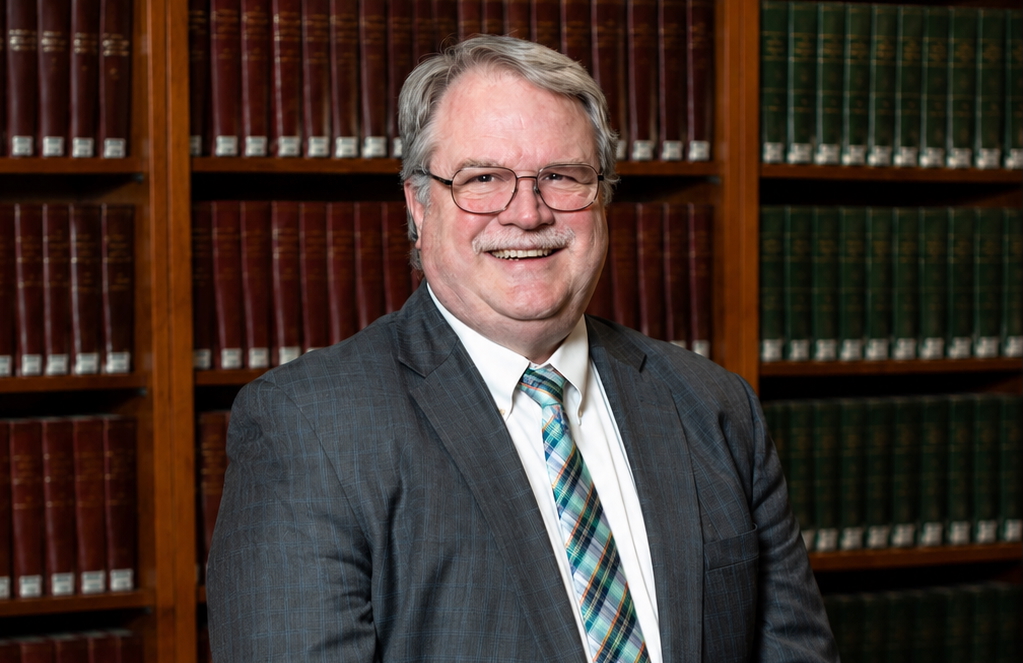
“As a litigator practicing in the bankruptcy arena, you have to present a persuasive case as to why your client’s debts should be discharged, and you can’t fully do that unless you have established a relationship with your client and understand the details of their circumstances,” said Heather Marx, an attorney at Cozen O’Connor and the adjunct faculty member who leads the Bankruptcy Litigation Clinic. “I want students to learn about the law, policies, what documents to collect and pleadings to draft, but I also want them to learn how to build trust, become good communicators and understand how to be a strong advocate.”
St. Thomas Law’s bankruptcy clinic focuses on helping individuals who could otherwise not afford an attorney seek relief from student loan debt, often because of unexpected changes in their financial circumstances, such as medical disabilities or long-term caregiving expenses.
Last year, students in the clinic secured more than $700,000 in loan relief for their clients, while also gaining practical legal training and experience.
One client was a single mother who has degenerative spine issues and significant mental health challenges. She could not continue working as a nurse because of her medical condition and needing to care for her disabled son.
Another client was a woman who quit her job to provide years of increasing care for her husband with Parkinson’s disease. When her husband passed away, her mental and physical health deteriorated, and she was unable to return to work.
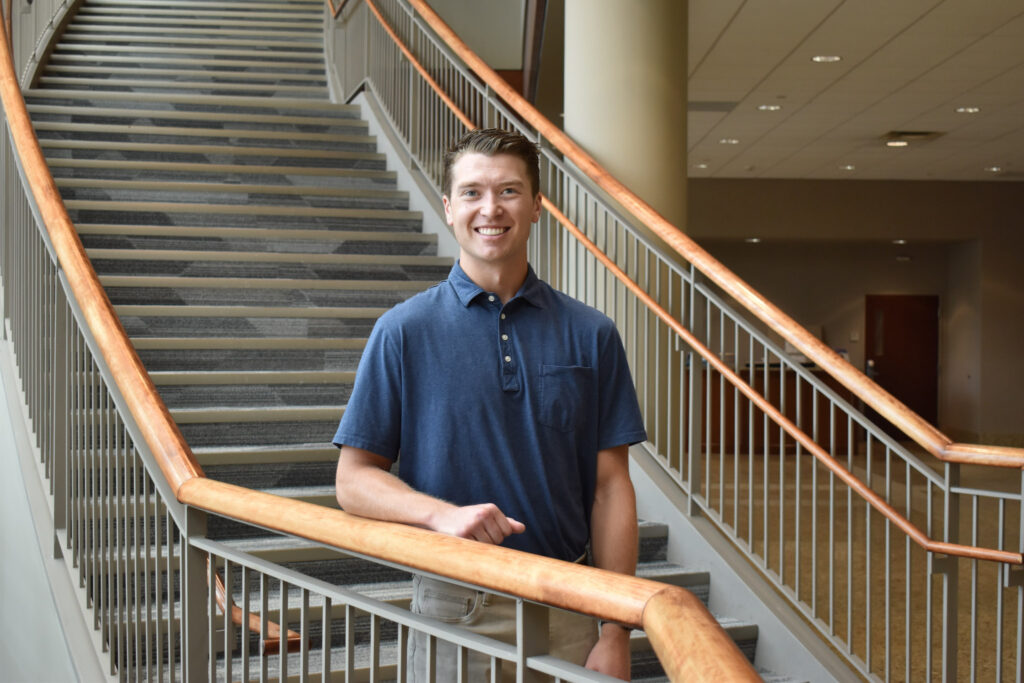
“People need the resources the bankruptcy clinic provides because obtaining a discharge of student loans is a difficult process to undertake on your own and these clients would never be able to pay off the loans,” said 3L Stephen Middlebrook, who worked in the clinic as a 2L. “And continuing to carry the debt can prevent them from qualifying for something as simple as leasing an apartment.”
“The clinic can help provide a ‘fresh start’ for individuals burdened by overwhelming debt,” added 3L Elaina Duclos, who also worked in the clinic as a 2L.
The clinic can help provide a ‘fresh start’ for individuals burdened by overwhelming debt.”
Elaina Duclos
Students say that during their time in the clinic they saw firsthand the stress that debt puts on individuals and families.
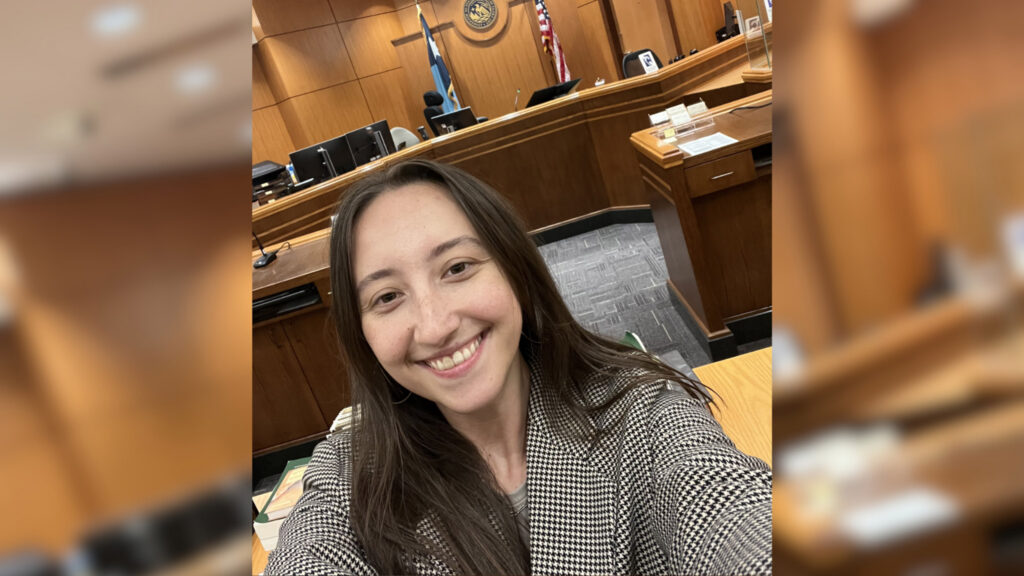
“Every day these clients are worried about bills, whether their job is stable, whether they will be able to provide food for their children and whether their health problems will worsen,” said 3L Lillian Roubinek, who was a student attorney in the clinic last year.
Some cases experience setbacks, and not all are successful, but students often learn the most when they must work through a difficult issue or adjust their approach to working with a client.
“During the attestation process, one of our clients became overwhelmed by our requests for documentation and records,” said Middlebrook. “We learned that we needed to be patient and very specific with our requests. Sometimes we needed to give the client a couple of days between requests or simply ask for one document at a time. Ultimately, we were able to work through the challenges.”
When looking back on their time working in the clinic, students reflected on their ability to practice litigation skills, but they also talked about the impact they had for their clients.
“My clients were both so excited and extremely grateful,” said Duclos. “They no longer have to worry about debt collections and payments, or worry where that money will come from to pay those. They will be able to have money to pay for their essentials in life to focus on themselves.”
“When I called to share the news that their loans had been discharged, my client broke down in tears,” said Roubinek. “Their response was deeply emotional, and it left a lasting impression on me. What moved me most was their resilience and unwavering positivity; despite the many difficulties they faced. Working with this client reminded me how meaningful this work can be.”