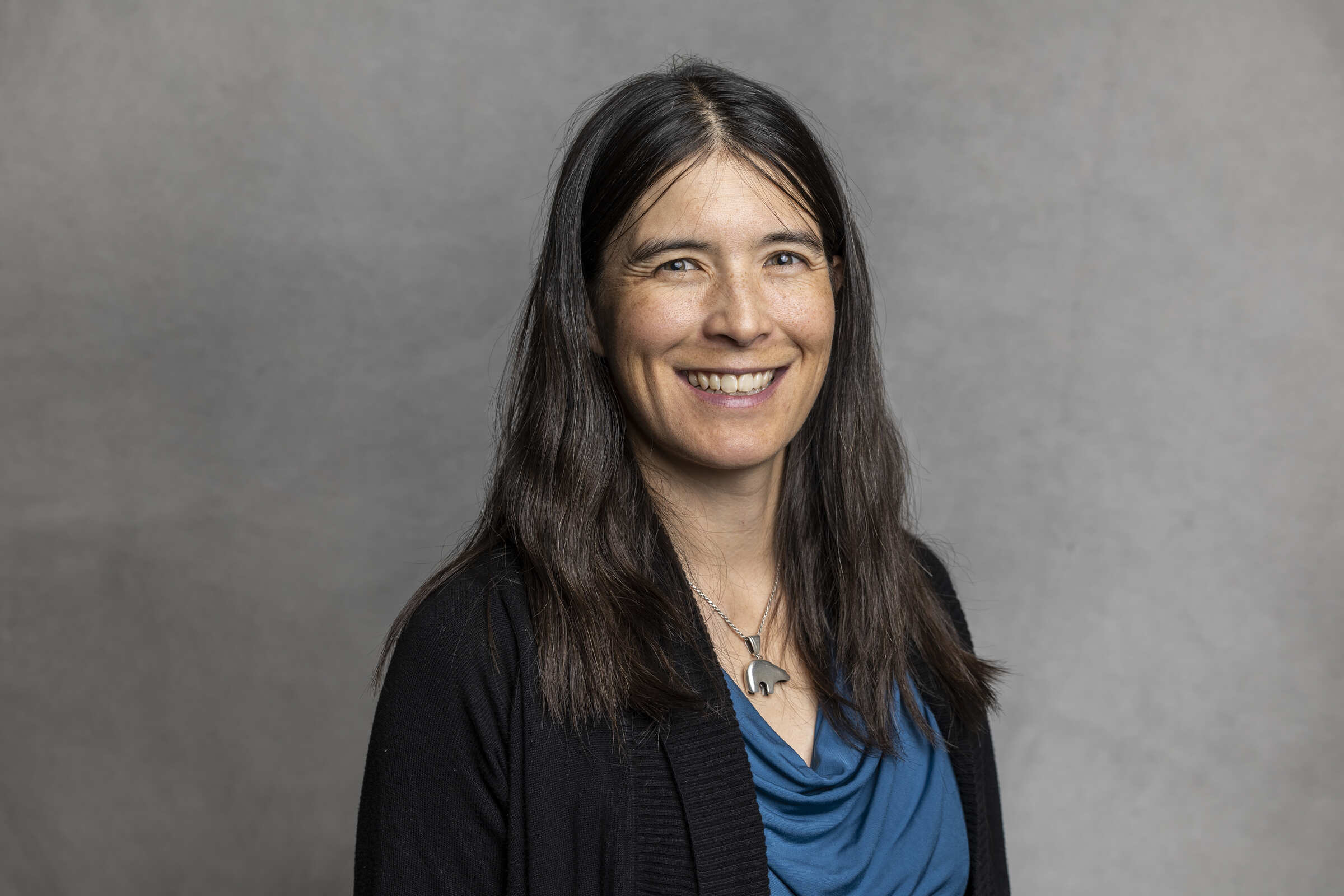
Ali Ling, assistant professor of civil engineering at the University of St. Thomas School of Engineering, was recently a guest on an episode of the “(don’t) Waste Water!” podcast, where she discussed common misconceptions about PFAS treatment, the processes involved, and the economic factors that influence effective solutions.

From the podcast:
Host: What is the message to take away from this paper?
Ali: Thank you for asking that. I think many people see that number and they feel very worried and like is no hope for anything, and that’s not what I’m trying to get at here. What I’m trying to get at there is that prioritization. I think with a lot of things, but especially PFAS, because it’s very expensive and there’s a limited amount of funding, and especially if it’s coming from public funding. So a lot of focus on PFAS in terms of investment has been in the remediation space whether that’s wastewaters, soils, or even drinking water, which is a water remediation step. If the goal is to remove it from the environment, then we get to this issue of it’s just so expensive and we are making so much of it, so the further up stream we go, the better.
Host: What about the cocktail effect? One chemical might not be a worry, but if you start mixing them together, then they are troublesome. Can we really mitigate that full risk by doing those toxicity tests and assessing, or is the proof in the pudding?
Ali: With micro pollutants and PFAS, I don’t think we should let trying to be perfect get in the way of trying to do some good. In terms of mitigating all the risks, we are never going to be able to mitigate all the risks from PFAS, from chemicals, from other things. I think that the important thing is to look big picture at what are the exposures, what are the health risks to today’s people and to future people, and what things we can do to day to mitigate those. I agree that the cocktail effect for micro pollutants is a real thing. If there is an acute risk from a chemical, we should be working hard to try to figure out what the alternatives are and how we can phase that out.