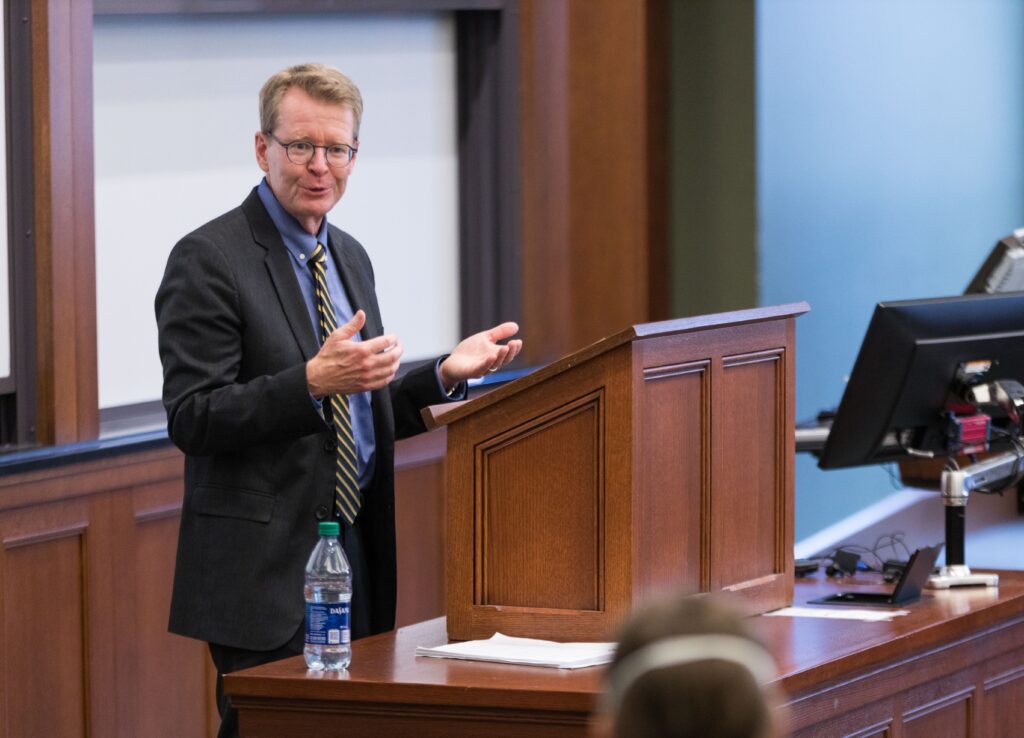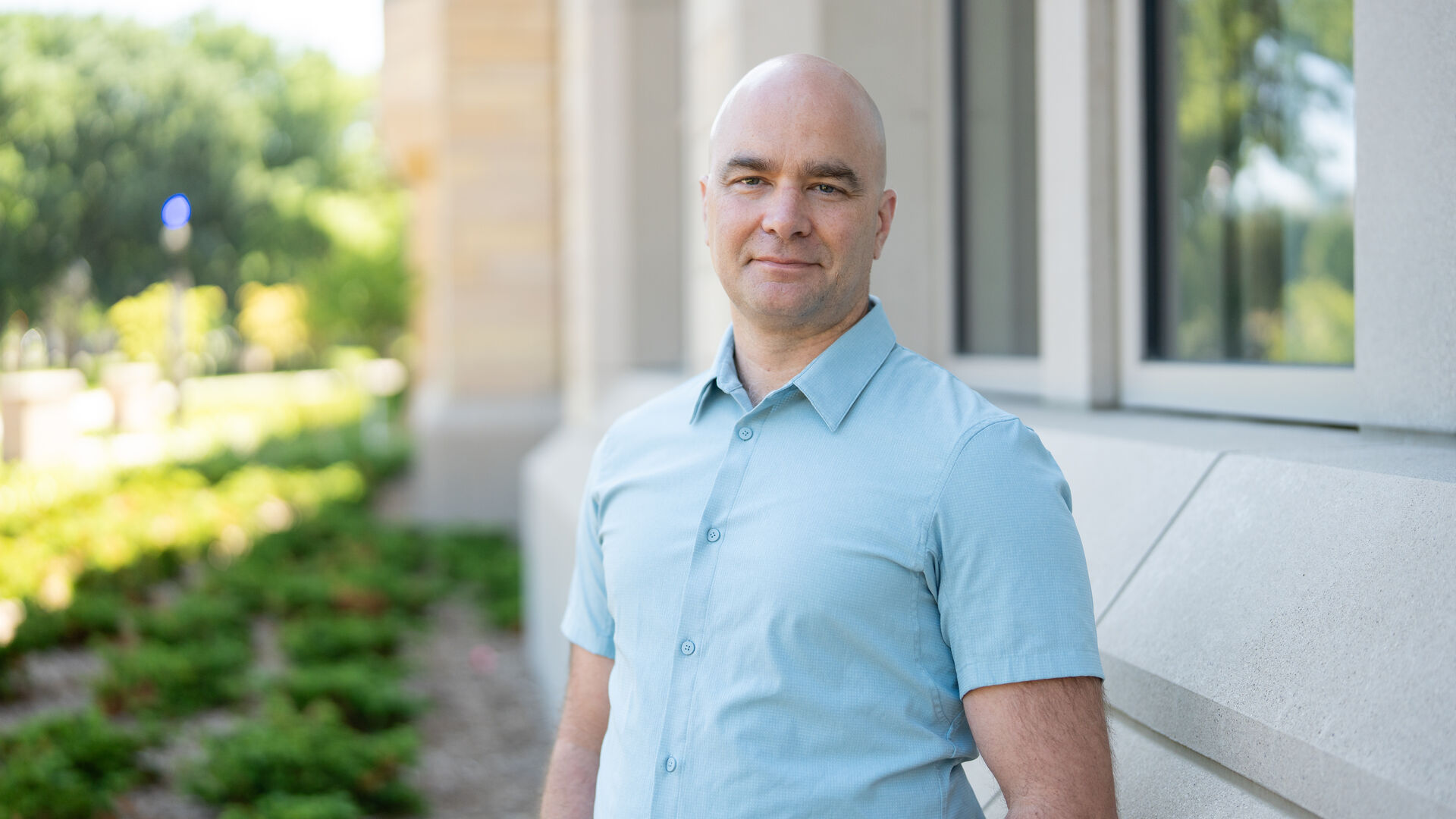
John Abraham, a professor in the College of Engineering at the University of St. Thomas, spoke with WCCO Radio about the increase in extreme weather events affecting Minnesota and beyond. Abraham discussed how climate change is contributing to more intense heat, wildfires and poor air quality, and explained why communities can expect greater weather extremes as global temperatures continue to rise.

From the conversation:
Laura Oakes: So, what is ... I mean, obviously, this has to do with warming, but what can we do to bring it back in line, or at least make it so we don’t have to deal with such dangerous and scary situations?
John Abraham: There’s bad news and there’s good news. The good news is that there is something we can do about it, and we can do that today with today’s technology. We can generate more of our power from clean, green, renewable energy sources like wind and solar, and the advantage of transitioning to clean energy sources is we can create jobs and build the economy right here in Minnesota.
And also, clean, green renewable energy is now less expensive than traditional fossil fuel. So, if you want to save money and improve the environment, you can do both of those by switching to these new energy sources, and at the same time, you can support high-pay, high-skilled jobs right here in Minnesota.
There’s bad news, though. The bad news is the climate is like a freight train going down the track. It’s really heavy and it’s going really fast, and it takes a while for our actions to actually change the speed or the trajectory of that train. So, if we really want to make a difference, we have to have a sustained approach of reducing our pollution emissions. And over time, and this is going to be years and decades, we can bend the curve of climate change, but for anyone looking for a panacea that we can fix this by tomorrow or even by next year, such a panacea just doesn’t exist. It’s going to take a long-term effort.