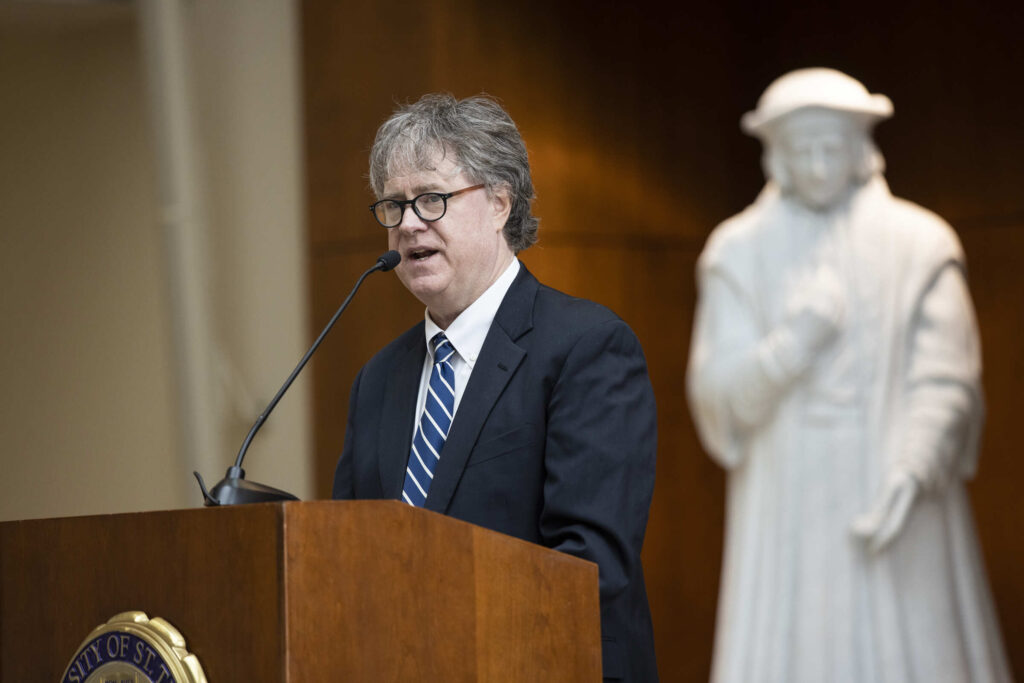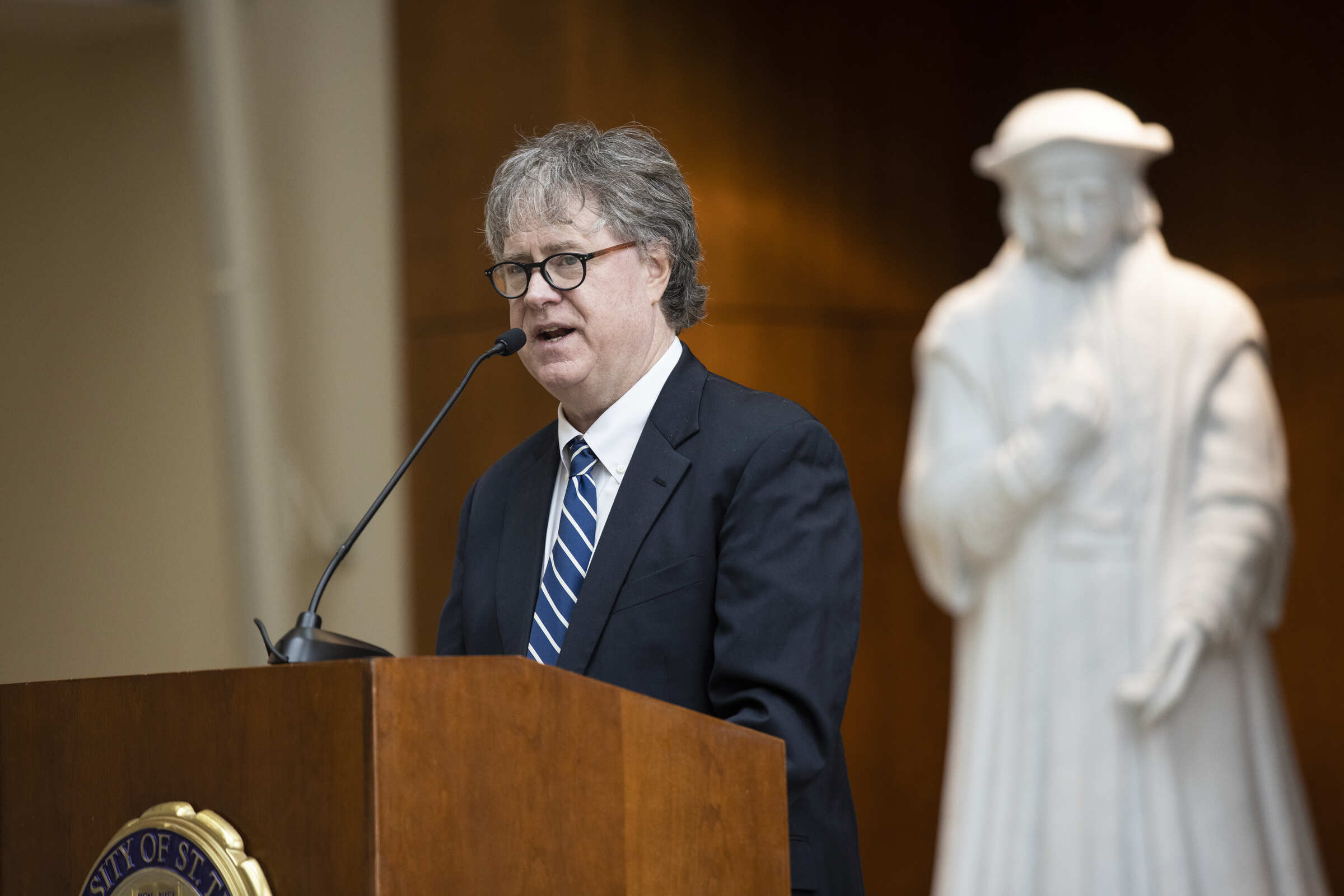
Mark Osler, professor at the University of St. Thomas School of Law, spoke with The New York Times about tensions between President Donald Trump’s recent push to crack down on fraud and his history of granting clemency to individuals convicted of similar crimes. Osler said the approach reflects a broader contradiction in how fraud is addressed, noting that while enforcement efforts have intensified in places like Minnesota, past pardons and commutations suggest a more selective application of justice.

From the article:
Mr. Trump said the administration would pursue fraud wherever it existed, but mentioned only Minnesota and California. He described the suspected fraud in Minnesota as totaling $19 billion – federal prosecutors estimate it is half that amount – and said it could be 10 times that in California.
Mark Osler, a professor at the University of St. Thomas School of Law in Minneapolis who studies clemency, said while “the fraud is real” in Minnesota, he questioned the prosecutorial zeal in rooting it out, given recent events.
In January, the federal prosecutor overseeing the sprawling fraud investigation in Minneapolis resigned along with other prosecutors after Justice Department officials displayed reluctance to investigate the killing of Renee Good by an immigration agent, but pressed for an inquiry into her widow.
Overall, he said, there is “certainly a deep contradiction” in the administration’s approach to fighting fraud.