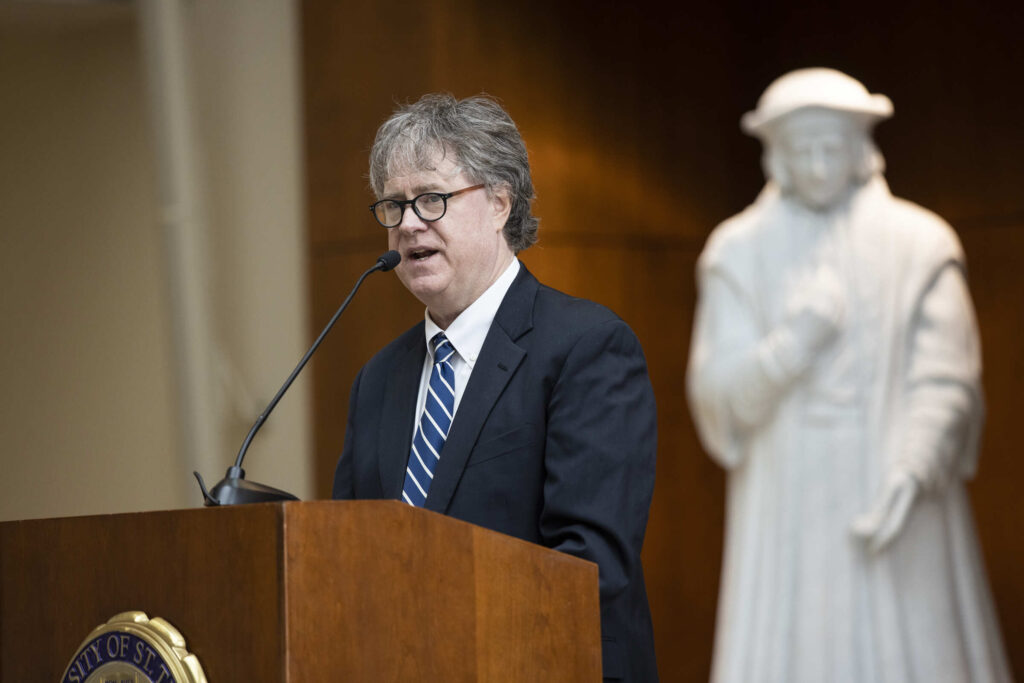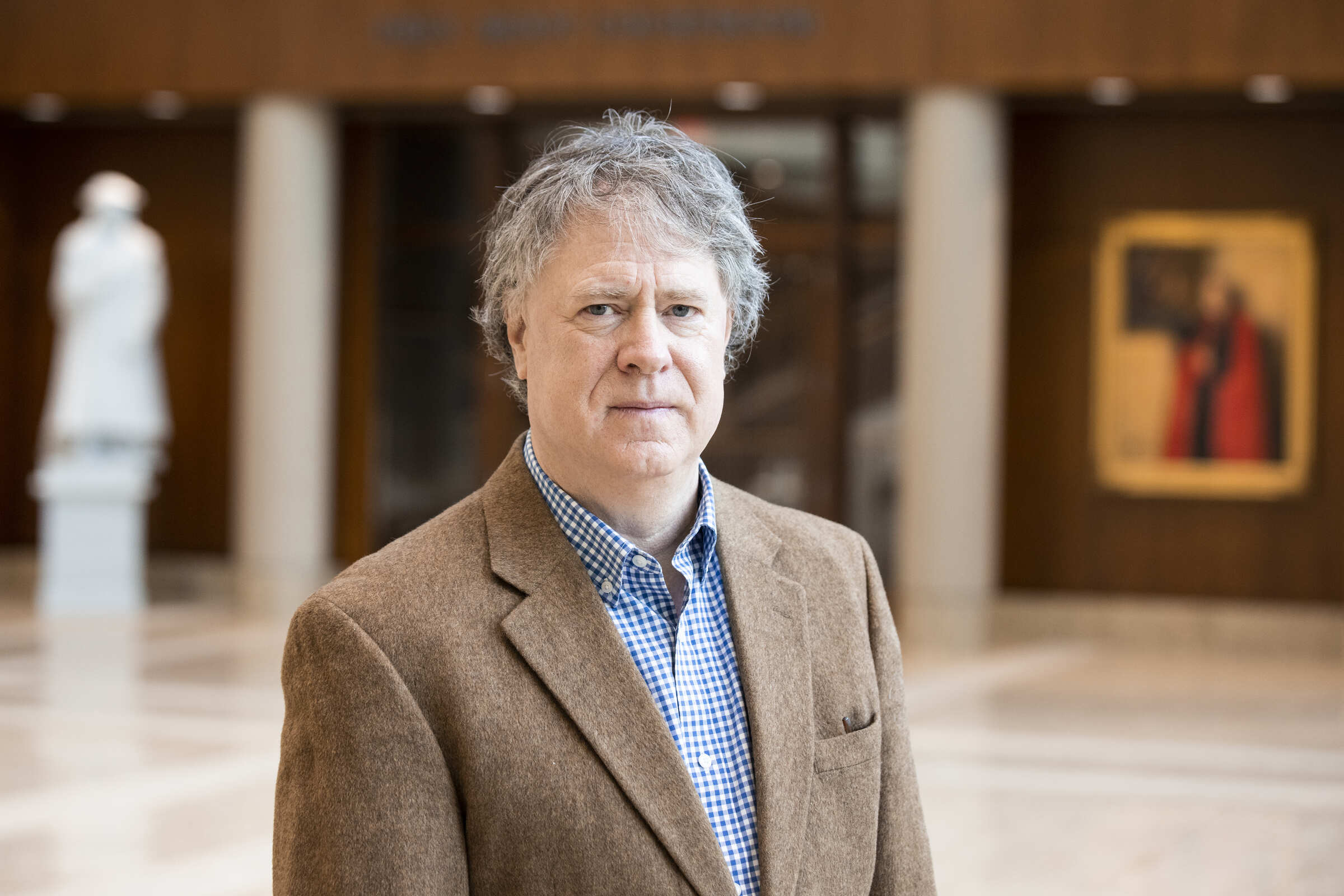
Mark Osler, a professor at the University of St. Thomas School of Law, spoke with The New Yorker about the evolving use of presidential pardons and clemency under the Trump administration. Osler, who directs a clemency clinic at St. Thomas, expressed concern that the process has become increasingly influenced by wealth, political connections, and lobbying rather than focused on mercy and rehabilitation. He contrasted high-profile clemency cases with the experiences of lower-income individuals whose petitions often remain unresolved despite significant personal circumstances.

From the article:
Mark Osler, a law professor at the University of St. Thomas in Minneapolis, oversees a clemency clinic there, supervising a half dozen law students as they pursue commutations and pardons.
Osler developed an interest in clemency after serving as a federal prosecutor in Detroit during the late ’90s. His caseload was heavy with crack cocaine prosecutions that carried long mandatory minimum sentences and fell disproportionately on African American defendants. The punitive approach, he came to believe, conflicted with his Christian faith, in particular the admonition in John 8:7: “Let he who is without sin cast the first stone.”
He told me, “I felt the weight of the stone in my hand. I put it down and walked away and did mercy.”
Osler’s clinic is currently seeking a commutation for an 83-year-old Texas man who was sentenced to life in prison without parole in 1985 for helping run a drug ring. He’s confined to a wheelchair and recently suffered a stroke, but his crimes occurred so long ago that he is not eligible for compassionate release.
Another client, this one seeking a pardon, is a Kentucky woman who was sentenced to 57 months in 1996 for nonviolent drug crimes. She was released in 2001 and has been unable to receive licenses for several professions, including as a physical therapist and a real estate agent, because of rules that exclude convicted felons.
Osler has watched with increasing frustration as his clients’ petitions go unanswered. He described the pardon attorney as “a zombie office, in the sense that they’re assigning numbers to cases that come in, but it’s not clear that anything’s happening beyond that.”
Rather than receiving good or bad news for clients, Osler said, “you simply don’t hear. There’s no up, and there’s no down. And so, when they call from prison or they write, I have to tell them it’s pending. But, really, that means it’s being ignored.”
When I asked Osler which pardons bothered him most, he said, “It’s those that have gone to the people who are fabulously wealthy. These are the people who have been advantaged by so much. With my students, we’ve told the stories of people who are fabulously poor and are being ignored.”
Clemency, Osler continued, “has begun to take the form that the worst parts of government have already had, which is to be dominated by lobbying. It’s been OK if you are a polluter to hire people who are connected to the president to inveigh on your behalf and pay them tons of money. That wasn’t how clemency worked. But now that kind of ugly fog has floated over to what’s supposed to be about mercy.”