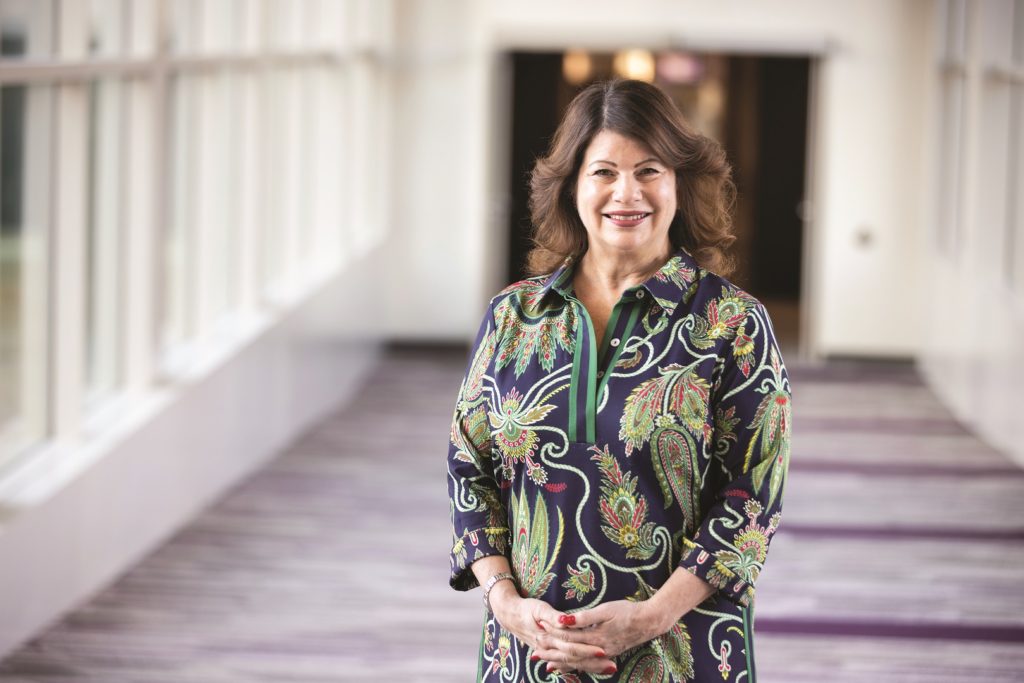
Dr. Roxanne Prichard, professor of psychology and neuroscience in the College of Arts and Sciences at the University of St. Thomas, recently wrote a feature story for Ms. magazine in which she examines the historic and modern factors contributing to issues in women's sleep health. Prichard argues that women's sleep is a feminist political issue and should be addressed as such.
From the story:

Despite being among the top reasons women seek medical care, sleep disruptions during menopause have been understudied and undertreated. For women, sleep problems peak during the menopausal years, which span from their 40s to early 60s. Even more alarming, suicide rates also rise during these years. Yet, this crisis remains largely ignored.
Federal research, which now faces catastrophic budget cuts, has long neglected women’s sleep and menopause. When addressed, it typically focuses on biological—estrogen fluctuations, weight gain, etc.—rather than social causes like accumulated trauma, gender-based violence, inadequate family leave, wage gaps and medical gaslighting. For Black women, who face higher rates of discrimination, poverty and interpersonal violence, the sleep disparities are particularly pronounced. in 2007.
The data is unequivocal: Women’s sleep deteriorates in midlife more severely than men’s. Eight in 10 women experience hot flashes and night sweats lasting up to a decade. Hormonal changes trigger snoring, sleep apnea, restless legs and insomnia. But the causes extend beyond female hormones.