The University of St. Thomas was featured in the Pioneer Press and TCJewfolk for an interactive Holocaust exhibit that combines artificial intelligence and recorded testimony. The IWitness experience allows visitors to have conversations with survivors, offering a new way to preserve history and expand Holocaust education.
From the article:
While students often learn about the Holocaust through their education, few have spoken with a survivor.
An exhibit at the University of St. Thomas is helping make that possible – virtually.
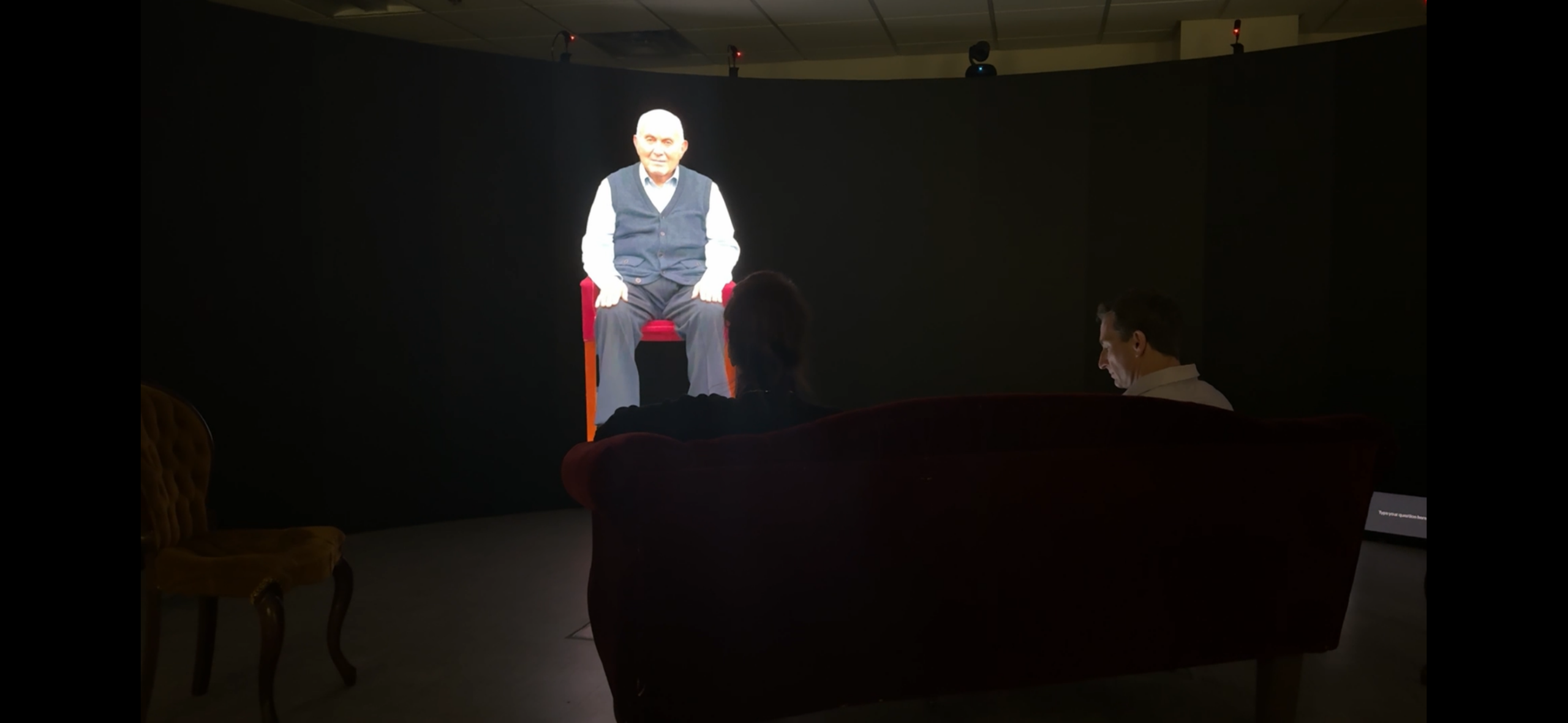
Through the end of April, the university is hosting an exhibit with technology developed by the USC Shoah Foundation that allows students to interact with recorded testimony of survivors.
With an app developed by the University of St. Thomas, students and other visitors can ask six survivors about their lives and experiences as footage of the survivors is projected in front of them onto the university’s digital visualization wall. With thousands of hours of testimony, and the use of artificial intelligence to search through their recorded responses, visitors can hear about the survivors’ backgrounds, experiences in the Holocaust and life after World War II. ...
In the fall, the university launched a minor in Holocaust and Genocide Studies. The minor explores the “historical, theological, political, and cultural roots of antisemitism, racism, and other forms of extreme hatred that lead to genocide and the mass annihilation of peoples.”
In order to offer the minor, university administrators applied for a grant through its provost’s office which helped fund the exhibit and another one featuring Holocaust survivors who settled in Minnesota.
From the article:
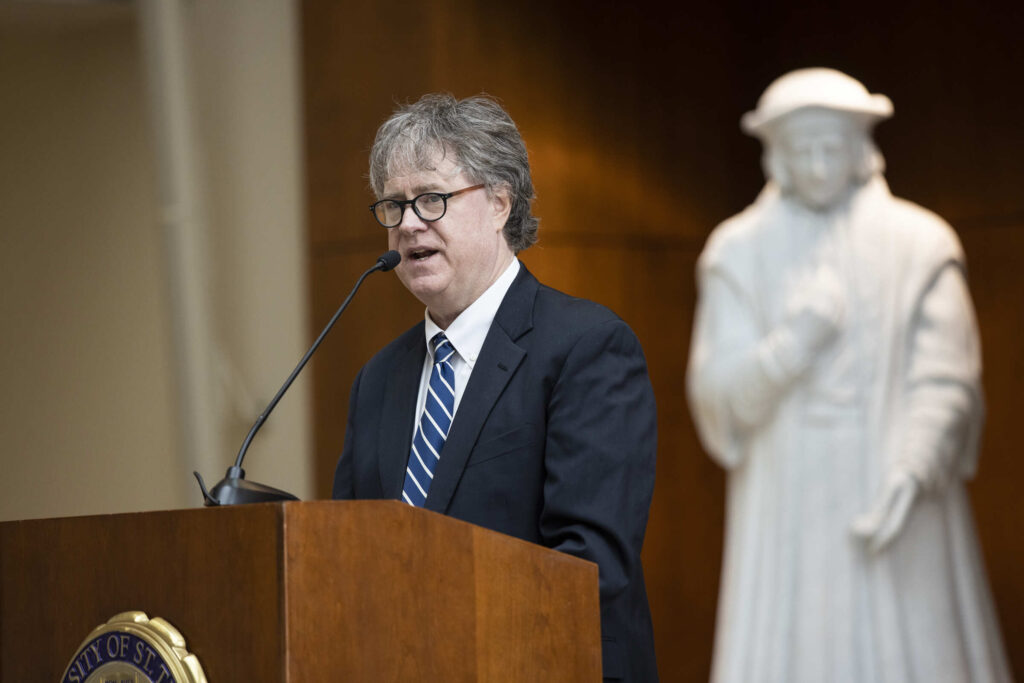
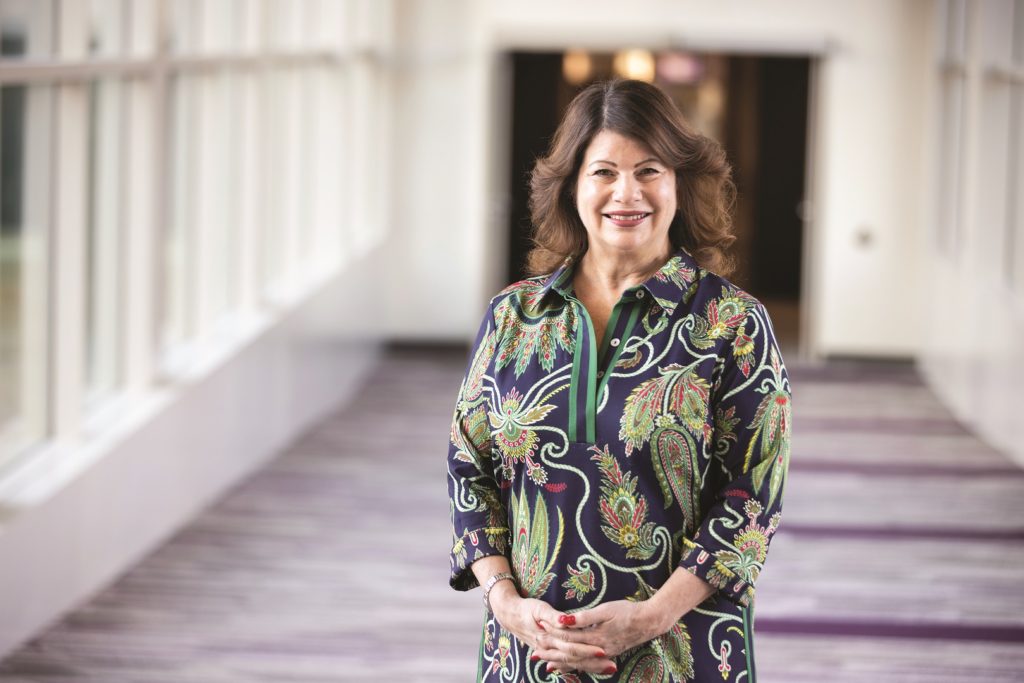
The Shoah Foundation allowed the University of St. Thomas to use the technology behind the platform in connection with the Fall 2025 launch of a new area of study: the Minor in Holocaust and Genocide Studies Program. According to cofounders Kimberly Vrudny, associate dean for the College of Arts and Sciences and professor of Systematic Theology, and Hans Gustafson, director of the Jay Phillips Center for Interreligious Studies and the minor itself, the program was created in response to current events.
“We recognized today’s dangerous warning signs—such as the rise of antisemitism worldwide—and the need for students to understand the history of the Holocaust and other atrocities to help prevent their recurrence,” Vrudny said.
The importance of preserving first-hand testimony and creating opportunities for students to learn is clear with startling statistics on how many Millennials and Gen Z’ers are either unaware or misinformed about the Holocaust. According to a national 2020 study conducted by The Conference on Jewish Material Claims Against Germany (Claims Conference), the U.S. Millennial Holocaust Knowledge and Awareness Survey, 63% of respondents didn’t know the total number of Jews killed and despite tens of thousands of concentration camps and ghettos in Europe during this time, less than 50% were able to name even one.
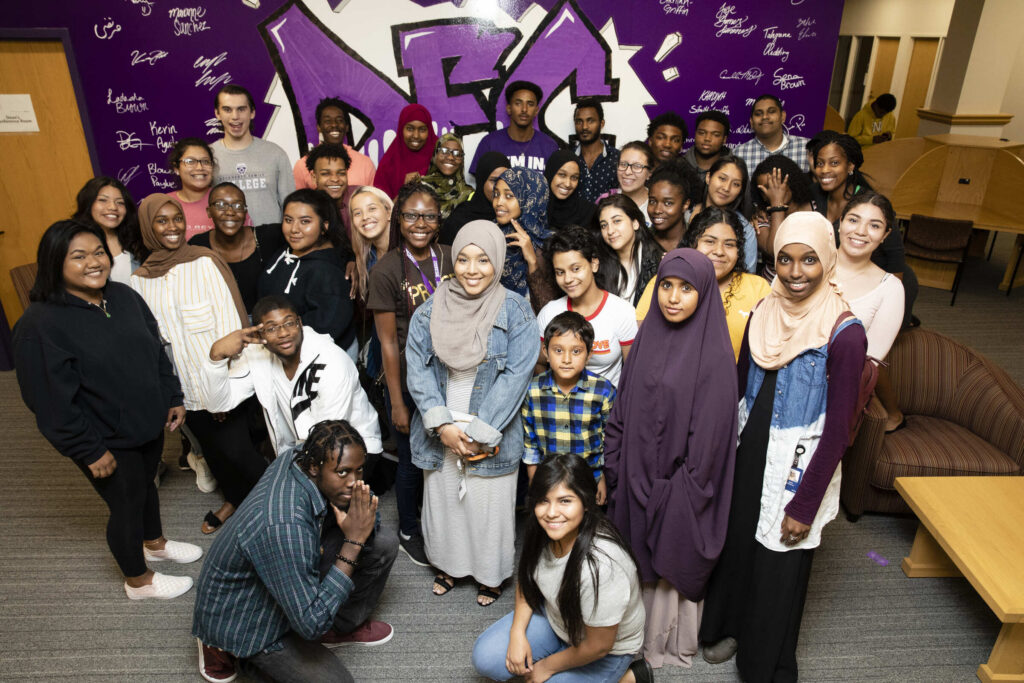
“It is imperative to be educated about genocide,” said Will McDonough, a junior and one of the first students to enroll. “By taking this minor, I get to be on the front lines of combating antisemitism, which is especially important with so many survivors already gone.”