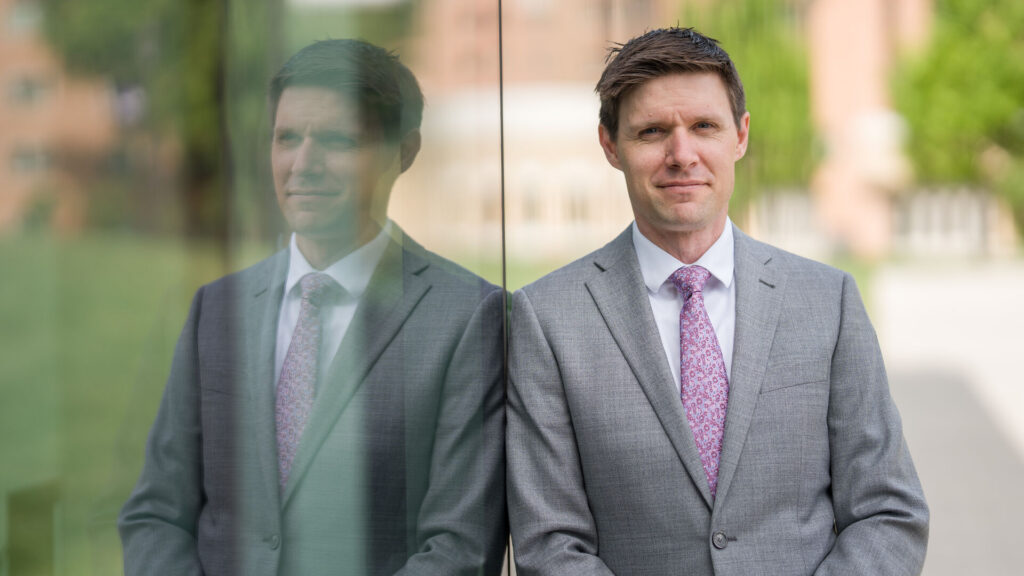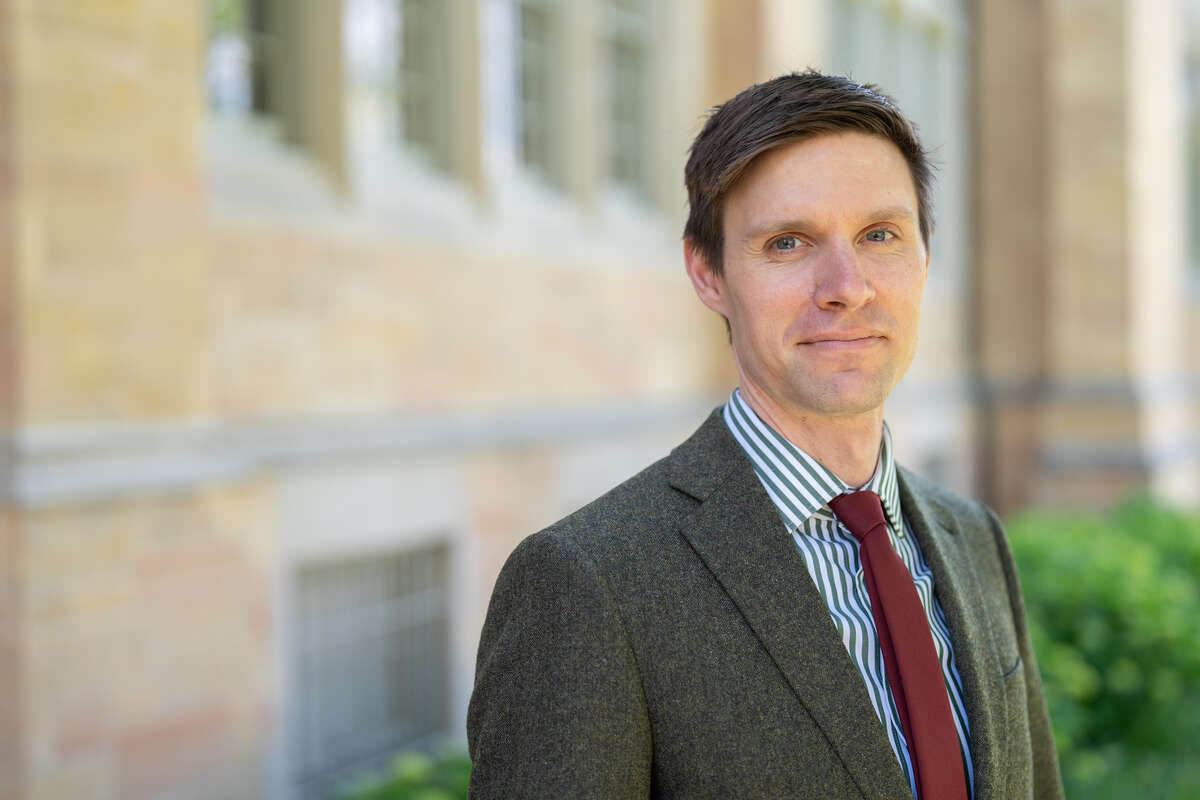
Tyler Schipper, associate professor of economics in the College of Arts and Sciences at the University of St. Thomas, spoke with local media about the continued impact of tariffs on Minnesota’s economy. Schipper addressed consumer concerns about rising prices, business uncertainty amid shifting trade policy and reactions to a recent Supreme Court ruling on tariffs, noting that ongoing volatility is creating what some shoppers describe as “tariff whiplash.”
From KARE 11:

Tyler Schipper, an economics professor at the University of St. Thomas, says the president can use other sections of the Trade Act to enact smaller, more specific tariffs on certain countries and products.
“This kind of creates a new level of uncertainty,” Professor Schipper explains.
For businesses, he says it’s unclear how much money they will save, if any, moving forward, and he says it’s unlikely companies will lower their prices now that many of the tariffs are going away.
“People shouldn’t see this as a win for their own pocketbook, unfortunately,” Professor Schipper says. ...
Professor Schipper says importers and other businesses will likely qualify for a refund on that money, but it’s unclear how that would happen and how long it would take.

From KSTP:
“Some of these could happen relatively quickly,” says Tyler Schipper, an associate professor of economics at the University of St. Thomas. “A lot of this is going to depend on how quickly the government actually stops changing these tariffs when things are imported.”
And the impact on Minnesota families?
“Unfortunately, it’s going to be a little bit limited,” Schipper explains. “Those wholesale prices are much cheaper than what you’re actually seeing in the grocery store, and so, I think people should understand that the price drops at the grocery store, we’re talking nickels and dimes, not dollars, for instance.”
Some economic experts believe people will cut back even more if the 10% tariff becomes permanent.
From WCCO-TV:

He had already had to raise prices on his beloved customers, and never wants to do it again. But tariffs are here to stay, according to University of St. Thomas economist Tyler Schipper.
“Tariffs are not gone. They are not gone, they are not going anywhere fast,” Schipper said.
Mr. Trump’s new global tax is mostly capped at 15% and lasts for 150 days, but these new tariffs could be extended.
“I think at this point people need to assume they are here and they are probably gonna be here throughout the Trump administration in some form of another,” Schipper said.
The White House says tariffs are needed to ensure fair trade, bring back manufacturing and protect national security.
New data from the Federal Reserve Bank of New York says 90% of the tariff increases were picked up by “U.S. firms and consumers.”
The tariff changes could mean some refunds, according to Schipper.
“A lot of companies paid tariffs and they will certainly be glad to get that back,” he said.
But Schipper says the reimbursement process is in question. As for consumers, don’t expect a refund check, ever.
“Americans who were already paying higher prices, we don’t get the refunds, and certainly prices are not coming down with these new tariffs replacing them,” he said.

From FOX 9:
What we know:
The U.S. has raised between $200-$300 billion in tariffs since January of last year, said Tyler Schipper, associate professor of economics at the University of St. Thomas.
This money is used for general government expenses, but it is not enough to balance the federal budget or reduce the national debt.
Where does the money go?
What they’re saying:
“The short answer is the money’s going to the Treasury, and at the U.S. Treasury, we’re already running a budget deficit,” said Schipper. “We spend more than we take in, and so this money kind of helps to offset some of that budget deficit now.”