Ernest Owens on people and project management
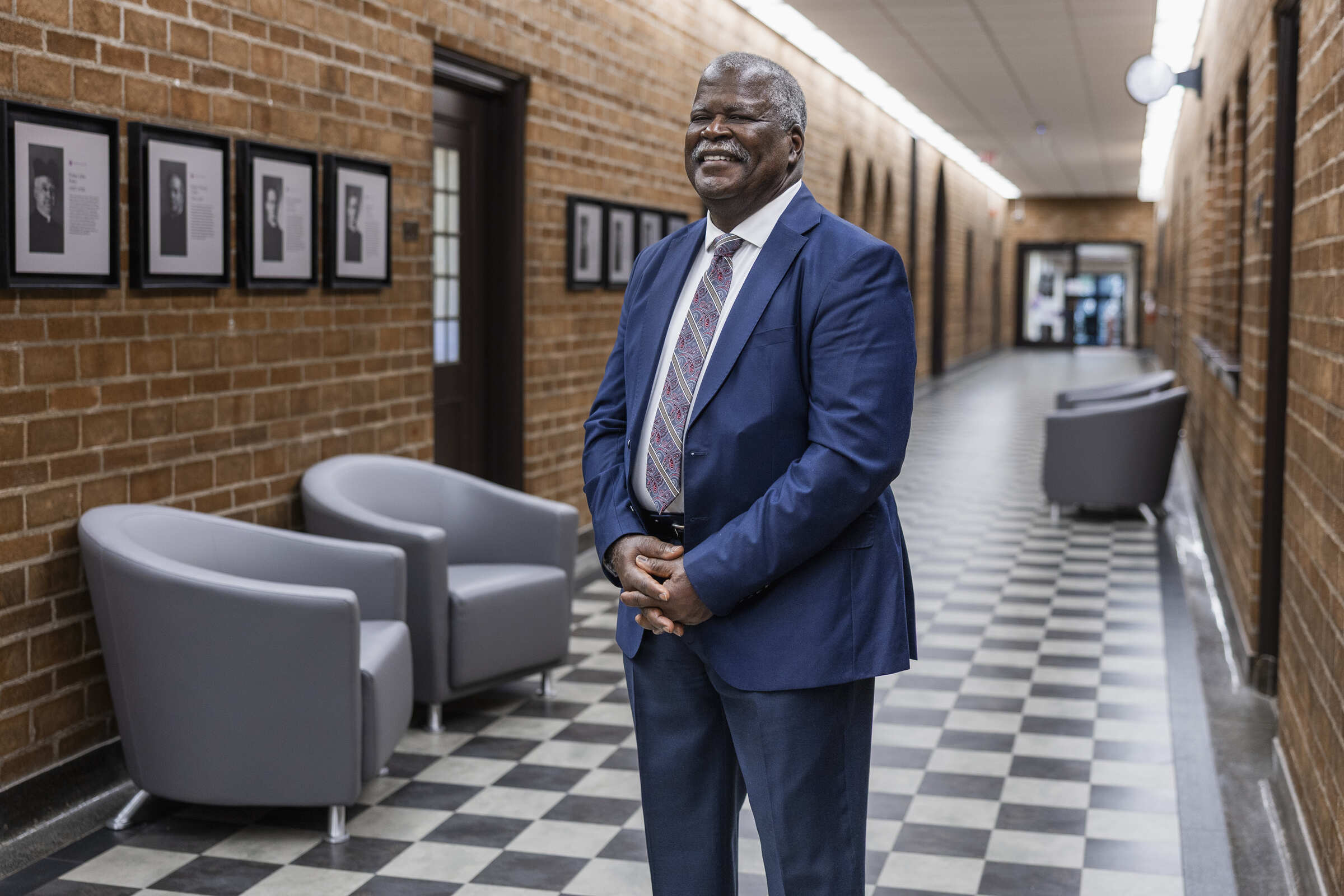
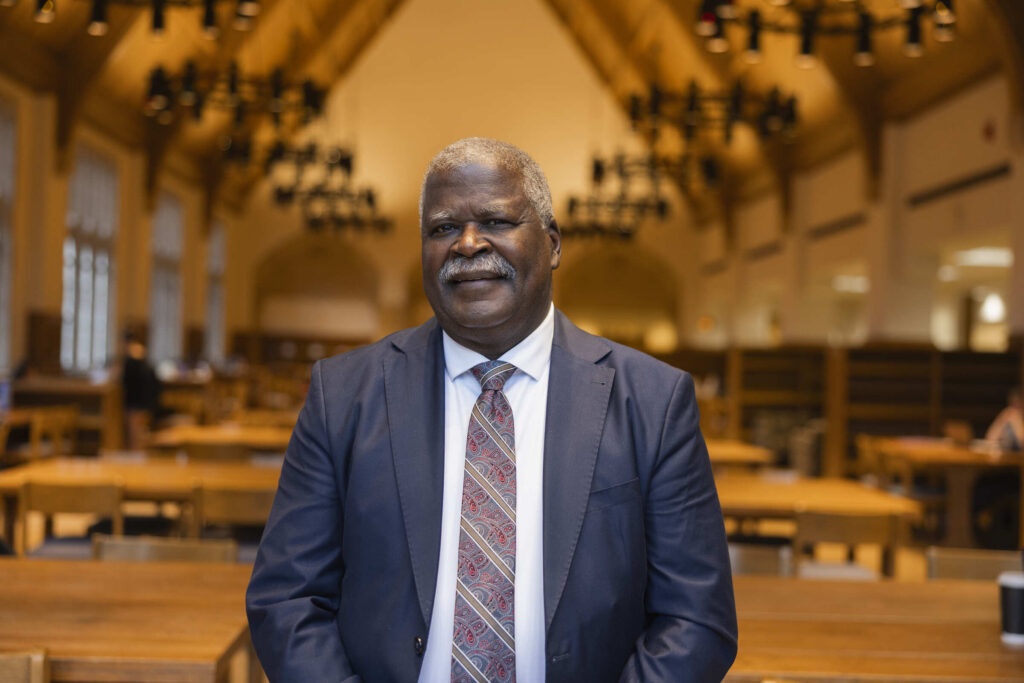
The new chair of the University of St. Thomas’ faculty has spent more than three decades teaching students at the Opus College of Business to lead – even when they aren’t necessarily in charge.
“It's mainly about influence,” said Associate Professor Ernest Owens. “How do I influence people when they're not my direct reports?”
Owens understands how people navigate differences and get things done. He spent more than two decades in corporate America, including as an executive director at IBM and in roles at Unisys, working in cost reduction and strategic planning.
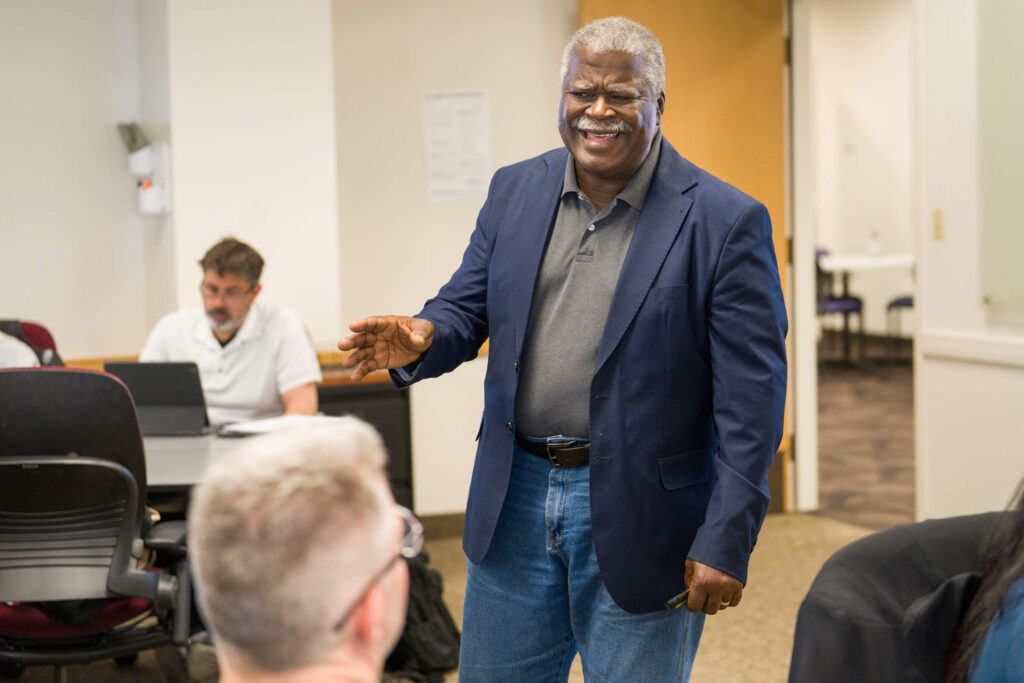
A St. Thomas alumnus, he earned an MBA and master's degree in manufacturing systems engineering (MMSE) from the university in 1990 while he was still working in industry. He became an adjunct instructor in 1991, distinguished instructor in 1993 and earned a doctorate in educational leadership at St. Thomas in 2000.
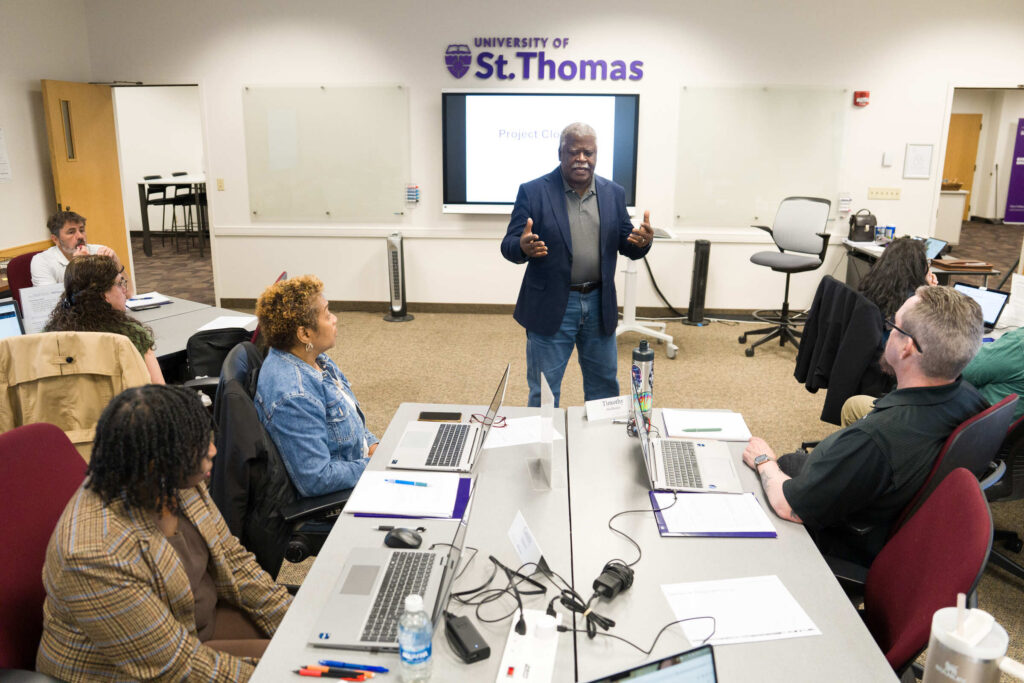
With primary teaching areas in project management, strategic management and leadership, he teaches MGMT 384, a popular undergraduate course that combines the technical and behavioral aspects of managing projects. He also created St. Thomas’ Certified Professional Project Manager program, which has trained thousands of working professionals, and he sees project management as part of effective leadership.
Having twice served as chair of the Opus College of Business faculty, Owens says he sees his role this year as university faculty chair as a responsibility to listen to different voices and bring those perspectives into university decision-making.
Q&A: Leadership in Practice
How did growing up in a military family shape your approach to working with people?
I've always worked with other people trying to find a place, trying to find ‘How do you belong?’ And trying to understand the rules of engagement.
What did your Fulbright experience in Nigeria teach you about belonging?
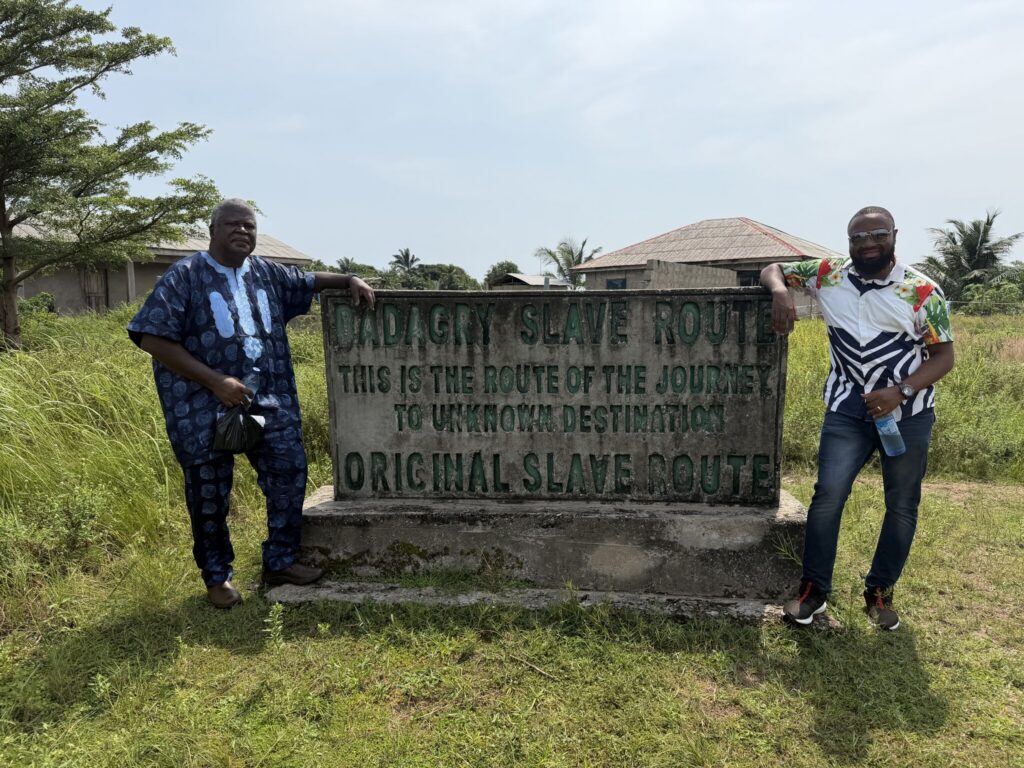
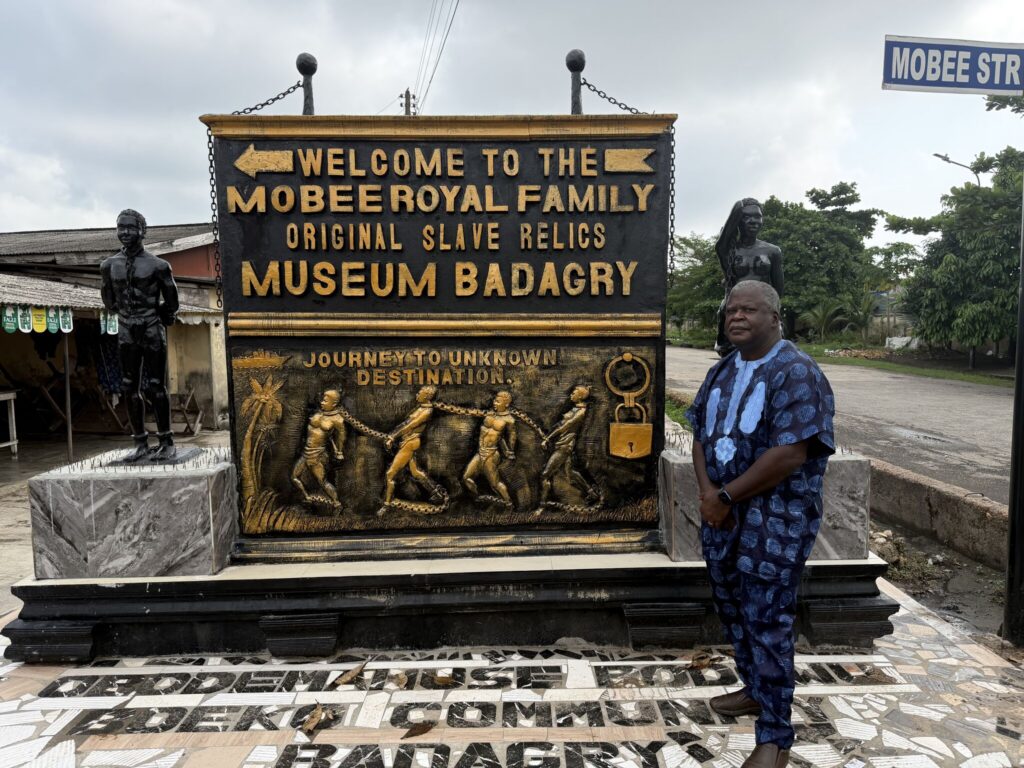
During my Fulbright Specialist assignment at Pan-Atlantic University, I visited Badagry, a historic slave port. A guide explained that many enslaved Igbo people had been taken to Georgia, where my family is from.
He told me, “You are Igbo. Welcome home.” The room erupted in applause.
I'm like, “Whoa, what just happened here?”
What opportunities do you see for St. Thomas students and faculty to collaborate with Pan-Atlantic University?
I would like to see our students work together on projects, collaboratively and online, and eventually have students exchange and work with faculty and students in different places.
Faculty members here could collaborate with that university in arts and sciences, engineering and education. A whole host of projects could come out of this.
How do you help students learn to understand different perspectives?
I have my students go explore their own origin stories. They talk to their elders and find out: How are they here? Why are they here?
Some discover stories about persecution, financial reasons, or other circumstances that brought their families here. Then they can share those stories and understand that we're all coming from something different. No one's story is better than the other.
What's a lesson you've learned about connecting with people who see things differently?
When I was studying engineering, I was struggling with differential equations. One of my professors happened to see me dancing and later began explaining the math through movements he had seen me make.
He started communicating in my world through his world, and we made a connection. I graduated with an A in that class.
You define diversity more broadly than race or gender. What does it mean to you?
Diversity is race, gender, orientation and ability, but diversity is also finance, accounting, marketing, engineering and science. It's geographic, rural, and urban. It's different thought formations.
It isn't just, “Do I get along with this ethnic group?” It's, “Do I get along with people from a mindset completely different from my own?”
What's one project management lesson that applies beyond the workplace?
We can't do it all. We need to ask ourselves a question: “If I'm going to make something new happen, what am I going to let go?”