In 1926, historian Carter G. Woodson launched Negro History Week, laying the foundation for a national movement to recognize and celebrate the achievements of Black Americans. Fifty years later, in 1976, President Gerald Ford formally designated February the national commemoration of Black History Month. A century after Woodson’s original call, the University of St. Thomas sheds light on the early Black faculty and staff members who helped shape life at the school.
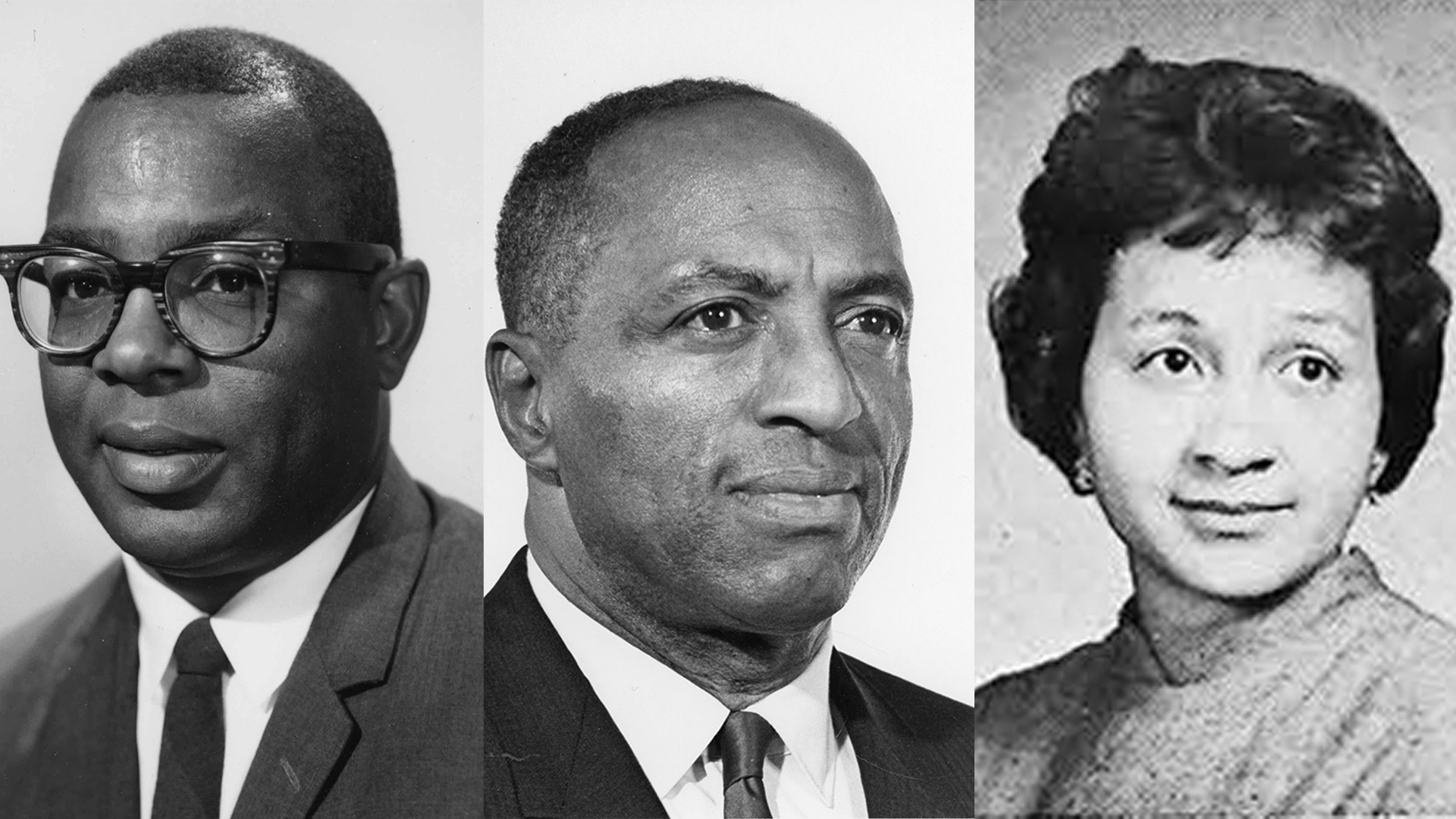
Through their leadership and contributions to the St. Thomas community, these early faculty and staff members (Chester Oden, Jr. '54, Herman Bailey and Nathalia King Ramsundar) further advanced the university’s mission and made major strides toward building a more inclusive campus community.
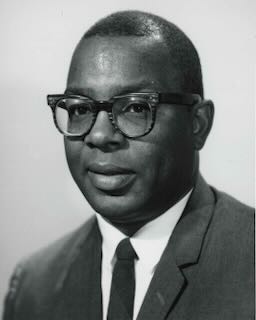
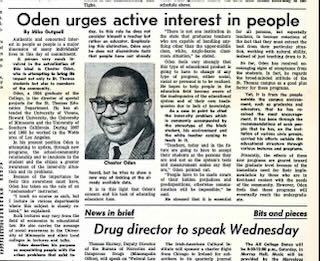
In 1968, alumnus Chester Oden, Jr. returned to St. Thomas as the school’s first Black faculty member. A 1954 graduate, Oden joined the School of Education faculty as Director of Special Programs. During his five-year tenure, Oden focused on strengthening St. Thomas’ relationships with the surrounding community, believing that education should be responsive to the real-world contexts students would encounter as teachers.
He placed particular emphasis on preparing students to teach in urban environments, encouraging thoughtful engagement with the social, cultural, and economic realities shaping urban classrooms.
Oden also played a pivotal role in advancing equity at the college. As a member of St. Thomas’ Human Relations Committee, he worked to improve the racial climate on campus and advocated for the introduction of courses that addressed multicultural experiences.
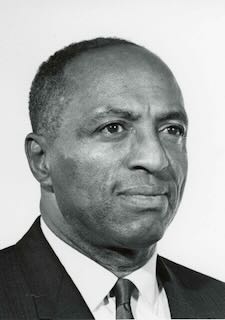
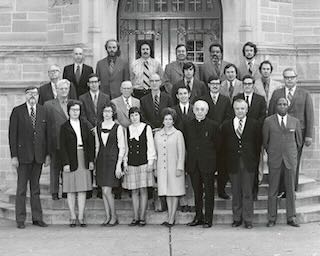
Herman Bailey joined Oden as a member of the School of Education faculty in 1971. Over the course of his six-year tenure, Bailey played a key role in helping the university envision a more inclusive future.
Bailey was instrumental in designing and conducting a series of opinion polls on coeducation, giving voice to St. Thomas students and alumni during this pivotal debate. The data he gathered helped clarify attitudes and concerns across the university and provided critical insight for institutional leaders. The results of these polls became an important factor in St. Thomas’s landmark 1976 decision to open undergraduate enrollment to women.
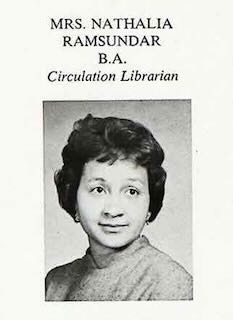
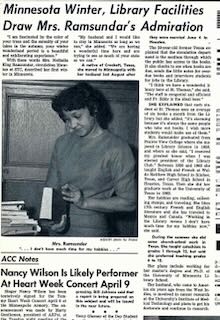
Nathalia King Ramsundar made history at St. Thomas as the university’s first Black staff member. A graduate of Prairie View College, one of the nation’s historically Black colleges and universities, she brought professional training in library science to her work.
Ramsundar joined the St. Thomas Library staff in 1964 as Circulation Librarian, a position she held for two years. From the circulation desk, she became one of the first and most familiar faces students encountered when entering the library. Through her daily interactions, Ramsundar guided students through the library’s collections, answered questions, and helped demystify research and academic resources for countless members of the campus community.