The University of St. Thomas in Minnesota is introducing a new graduate program: the Certificate in Interfaith Literacy for Health Professionals, with classes set to begin in summer 2026. The program provides students in healthcare and related fields with the knowledge and resources to support the unique needs of their patients and clients.
The certificate's curriculum emphasizes personal attention to the values, practices and needs that arise from diverse religious traditions, spiritualities and worldviews. Students will build knowledge about several major religions and the differences within them, while also recognizing that no health provider can ever know all the varieties of religious traditions or spiritual approaches that exist.
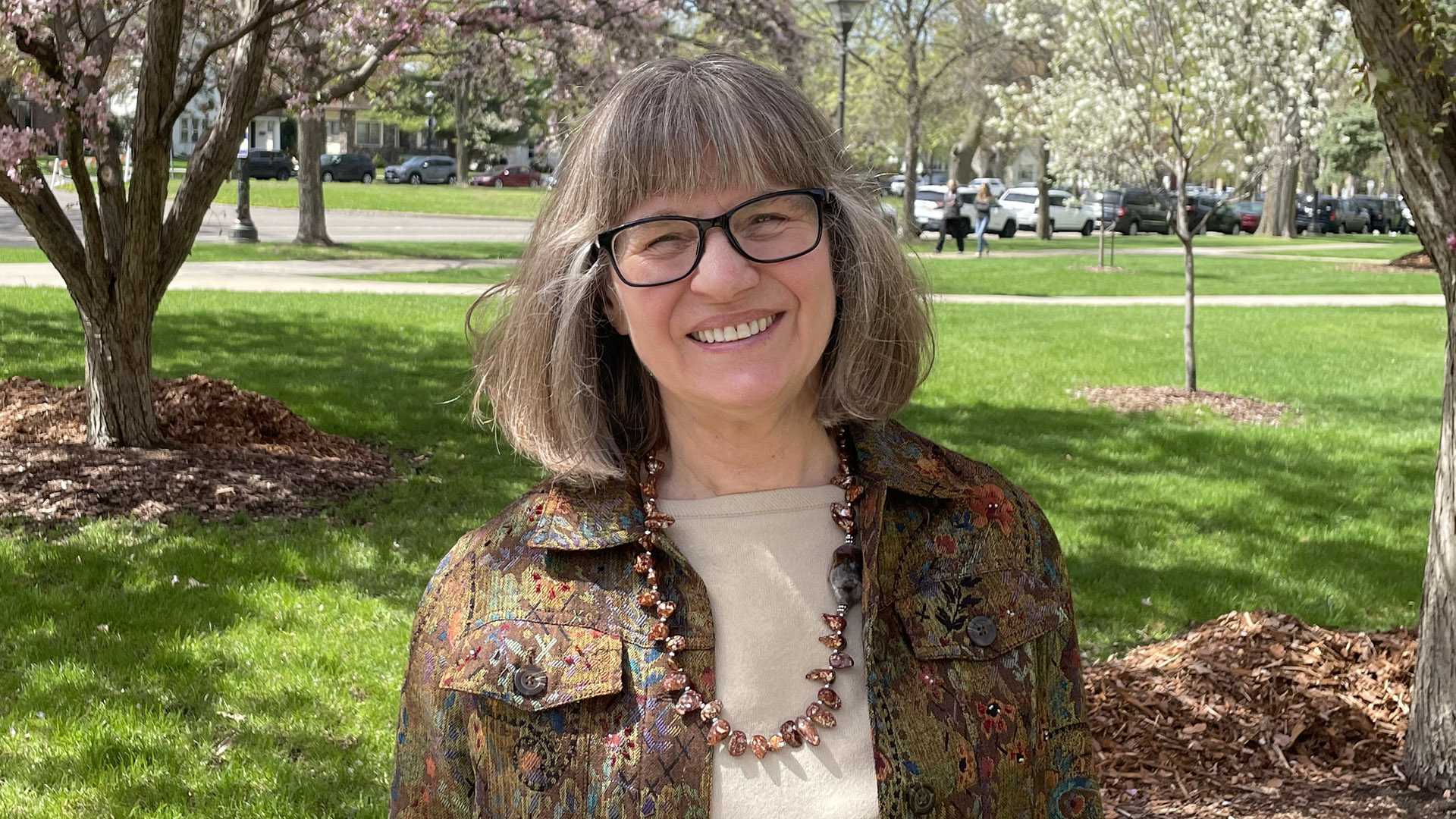
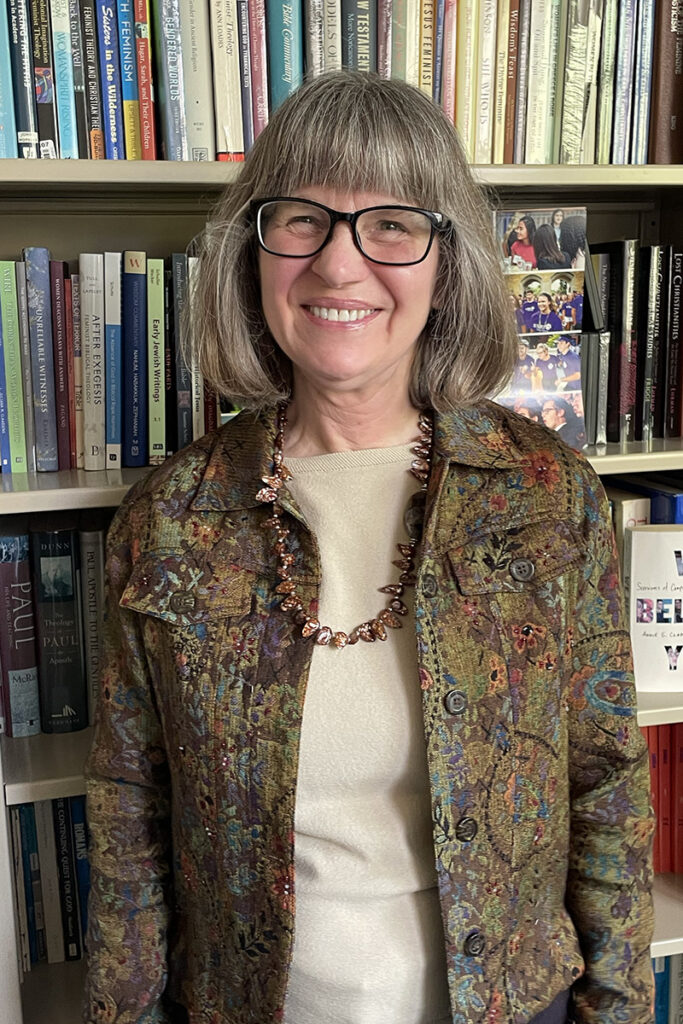
Dr. Susan Myers, an associate professor of theology in the College of Arts and Sciences, is the program's director.
"The importance of educating healthcare providers about religious difference became strikingly apparent to me when I had a Jewish rabbi scheduled to speak to nursing students in one of my courses," Myers said. "The rabbi had spent nearly a year in the hospital after being diagnosed with acute myelogenous leukemia. She spoke of the kindness of nurses and doctors and of their sensitivity to her situation, but also of her need to advocate for herself."
As the rabbi shared her experience, Myers was struck by the way small gestures remain with a person who is dealing with a life-threatening illness — the doctor who delivered the diagnosis and prognosis, not by standing over the bed of the patient, but by sitting at her level; the nurse who held her hand as she struggled with the reality of what she was facing.
"That morning," Myers explained, "the rabbi had gone to her doctor with a sinus infection and bleeding gums. By that evening, she was confronted with a 4% chance of living more than two weeks. And she had to decide whether to commit to an available medication or wait for a more effective treatment, which was stuck on a truck in a blizzard."
The rabbi educated Myers and her students about the importance of centering care on the person, not on the treatment. She talked about wanting to celebrate the Sabbath — Friday evening until Saturday evening — focused on her humanity, not on her status as a patient.
For one day each week, she did not receive testing or test results. She kept Shabbat as a slice of the world to come and a time when she did not need to be working or productive but could simply be who she is, a precious human.
The rabbi recounted that many of the hospital staff were unfamiliar with Judaism and how it sometimes affected the care they provided. A chaplain visited her room in mid-December in a Santa hat, offering a cheery “Merry Christmas!” When the rabbi pointed out that she was Jewish, the chaplain changed the greeting to “Happy Holidays!” although Hanukkah had begun in November that year and had ended several weeks earlier.
But there was also the nurse who approached the sick rabbi to say that she was unfamiliar with Judaism but wanted to learn how best to serve her patient.
"I think I learned at least as much from this rabbi as my students did," said Myers. "I realized how important it is to see each patient as an individual, with distinct values and beliefs and lived experiences, and not simply as an illness. I realized that even well-intentioned people might need to learn about different religious traditions. And I realized how important it is not to assume, but to be able to ask questions and to acknowledge areas in which one needs to learn more."
For Myers, this experience instilled a desire to learn more about the relationship between religious traditions and healthcare, as well as the conviction that she wanted to share this knowledge with her students.
"There is evidence that the vast majority of seriously ill patients want to talk about their spiritual or religious needs while in the hospital," Myers said. "Unfortunately, this element is regularly ranked as most in need of quality improvement. The Graduate Certificate in Interfaith Literacy for Health Providers was created to help change that reality and to encourage car providers to serve all patients and clients with knowledge and respect."