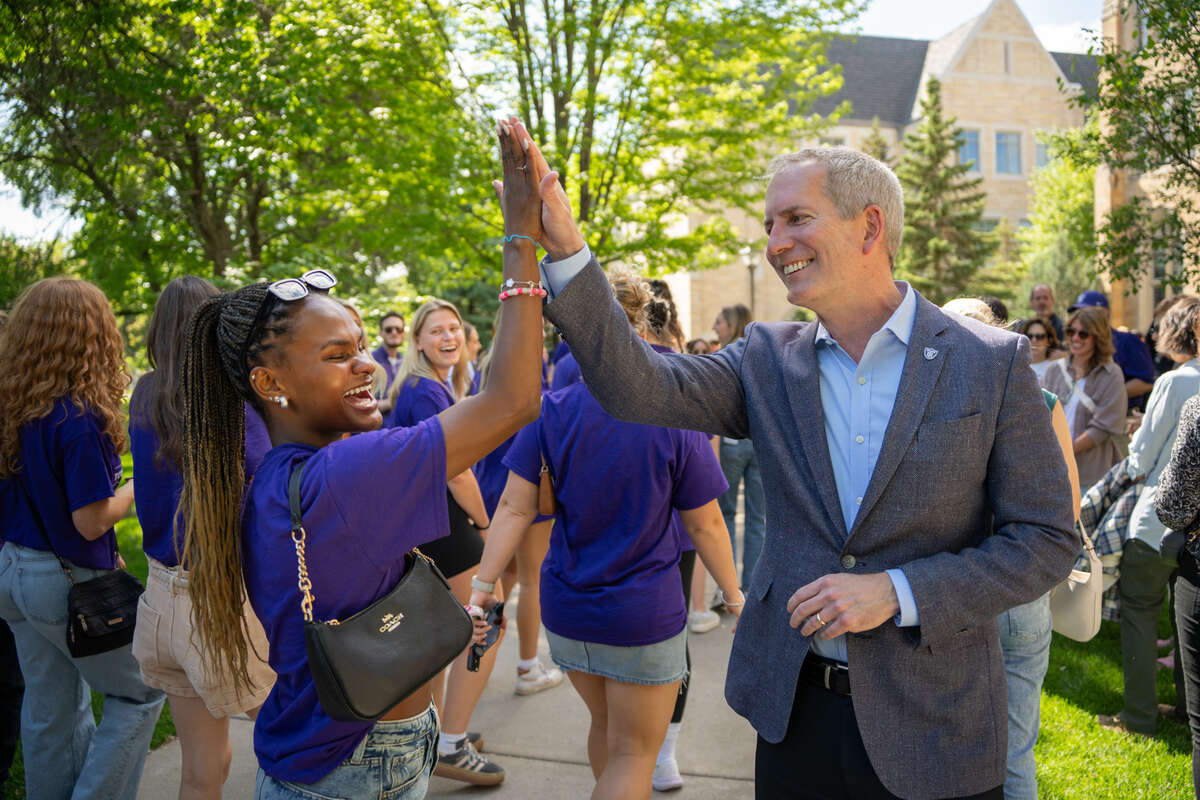
The University of St. Thomas has reached one of the most pivotal moments in its 140-year history. The university just welcomed its largest-ever class of incoming students, successfully opened the state’s newest nursing program, completed a historic transition to Division I athletics and officially introduced its latest five-year strategic plan. St. Thomas has a rising profile and a clear vision for what it means to be a Catholic institution in the 21st century.
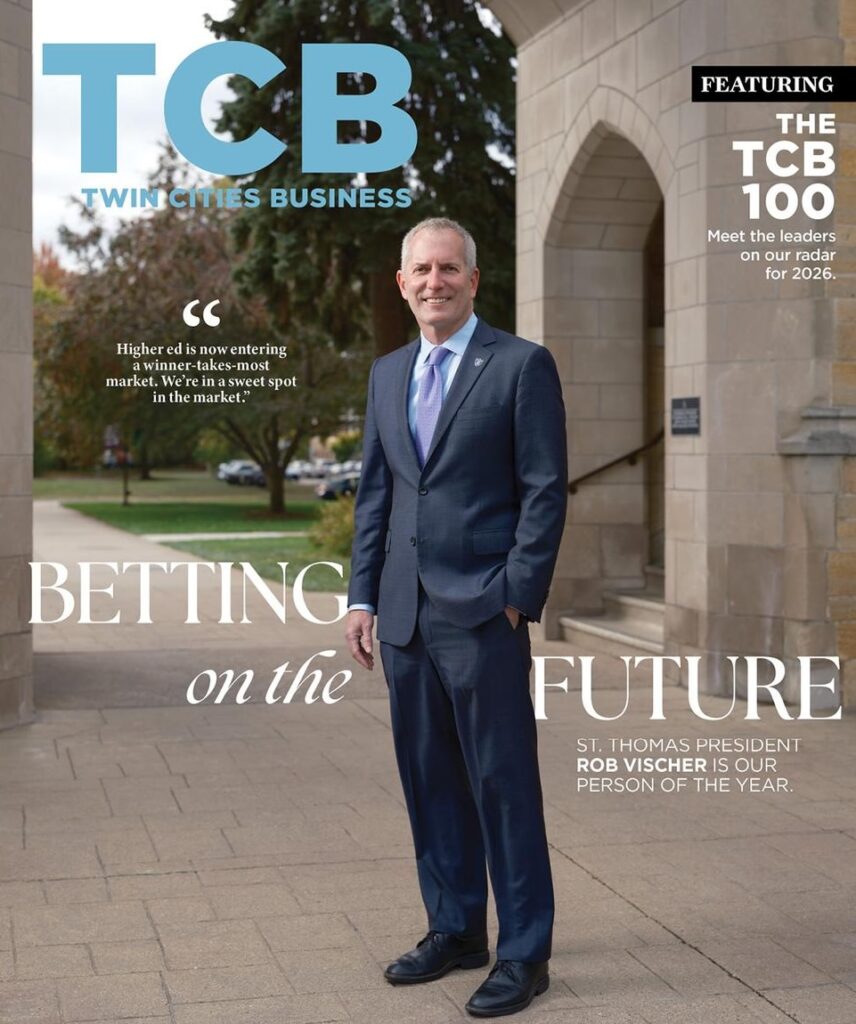
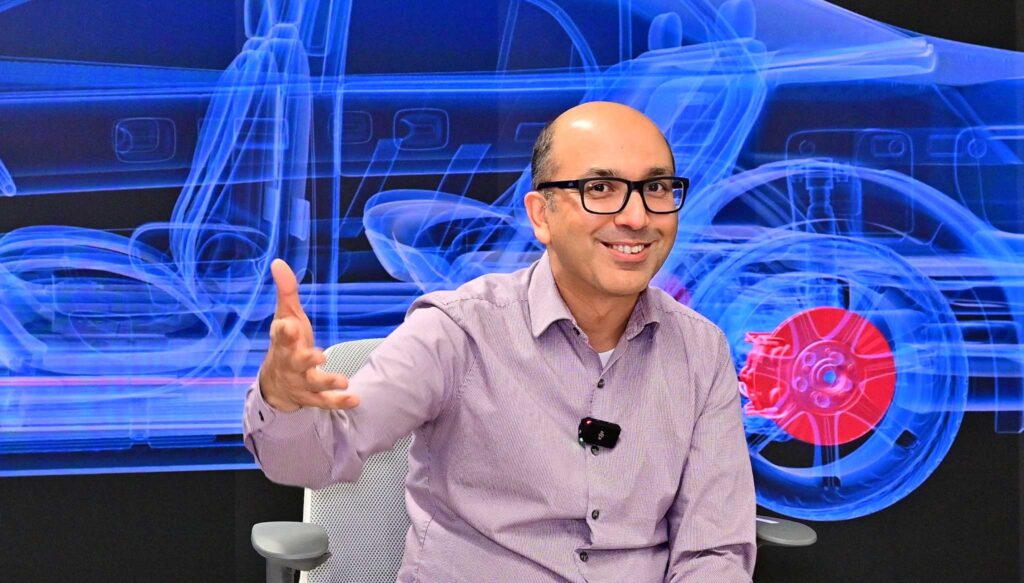
At the forefront is President Rob Vischer, recently named Twin Cities Business Magazine's Person of the Year. His commitment to mission and formation underscores his belief that students deserve an education that prepares them not only for the workforce but for meaningful lives of purpose.
As St. Thomas prepares for its next chapter, Vischer sat down for an interview to share his perspective on the priorities guiding the university today and over the years ahead.
Q: As St. Thomas expands its national profile, how do you define what it means to be a national Catholic university today?
We’re not seeking a national profile because we want to bask in prestige. We will always be a university rooted in Minnesota with a significant student population that comes from Minnesota. But we will need to expand our geographic footprint for enrollment.
We also have to be intentional, proactive, and very deliberate in discerning and articulating how the Catholic mission meets students where they’re at today, regardless of whether they’re Catholic. That’s essential to who we are as we expand our reach. That mission is rooted in the Catholic tradition, which has always animated in us a concern for the whole person — body, mind, spirit that calls us to meet students where they are and to equip them for lifelong flourishing.
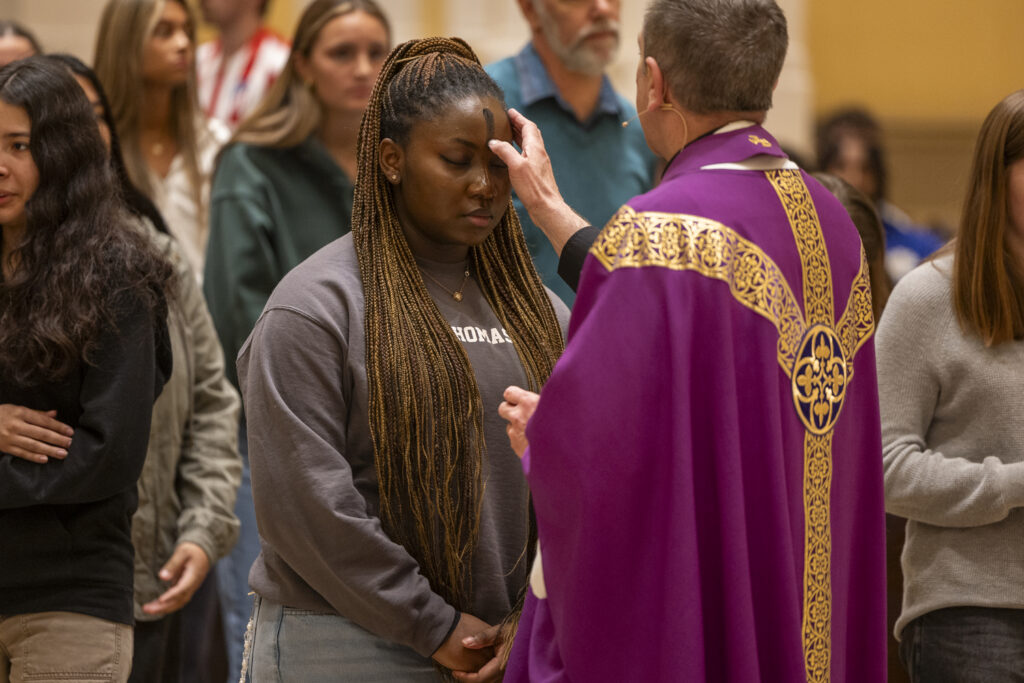
Q: St. Thomas emphasizes whole-person formation as central to its Catholic mission. Why is that approach so important right now, and how is the university living it out?
We’re not just equipping students with technical knowledge. We have to be committed to equipping and empowering them for lifelong flourishing, and that means we have to be attentive to virtues and values. Grounded in the Catholic intellectual tradition, we’ve always emphasized formation of the whole person, but that mission has never been more urgent.
Given the strains technology is putting on young people, especially the isolation exacerbated by AI, we have to be concerned with belonging, connection and purpose. We want our students to be asking themselves not only “what do I know how to do?” but also “who is the person I aspire to be?”
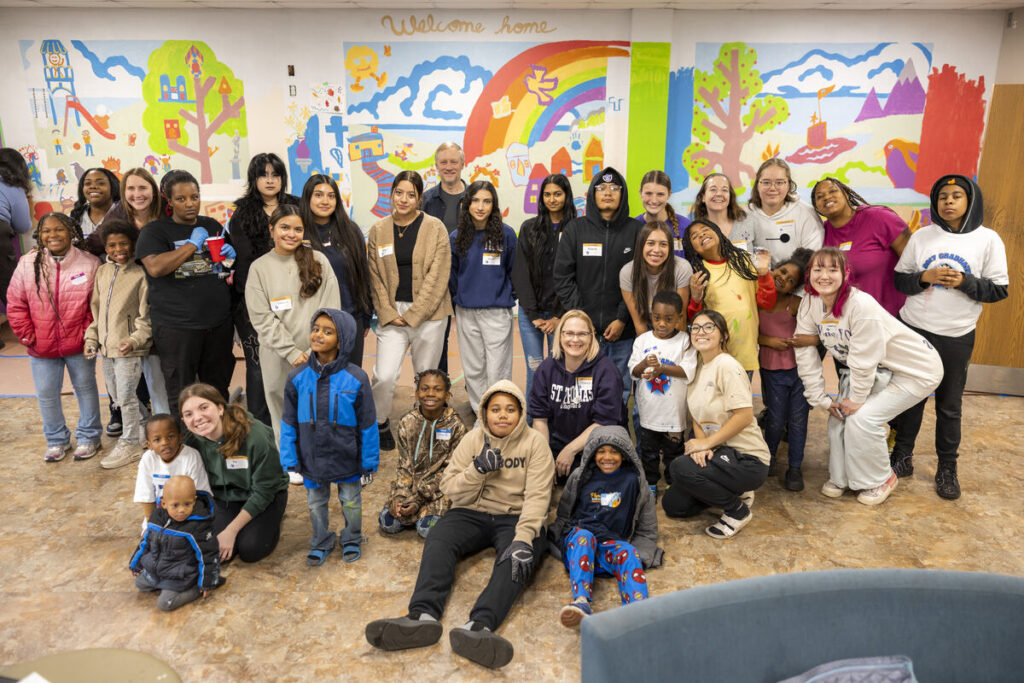
Students are already oriented toward purpose. They just need support in discerning and articulating it and figuring out how to live it out. A sense of belonging and ability to connect with others who are different than they are is going to be absolutely essential if we care about the thriving of coming generations.
Q: The St. Thomas 2030 strategic plan puts student success at the center. How do you define student success in today’s world?
We have three priorities within the strategic plan. The first is centering student success. And yes, that encompasses the traditional metrics of success: retention rate, graduation, employment outcomes, but we have to broaden it. Are we helping our students develop a sense of meaning or purpose in their lives? Are we helping them discern a sense of calling, by which I mean, are they beginning to understand the ways that their gifts and life experiences and values connect with the needs of the world? That's all encompassed in student success.

Evidence of that work is already clear. Climate data shows St. Thomas students report stronger connections year over year, even as national surveys show declines elsewhere. We’re not just passively standing back as students come to campus. We are actively walking alongside them.
Q: How does St. Thomas help students explore purpose and vocation in practical ways?
“It’s not just someone telling students how they should think about purpose, but giving students the space and the encouragement to become more attuned to their own life journey and the narrative that is already giving them meaning, even if they’re not aware of it.
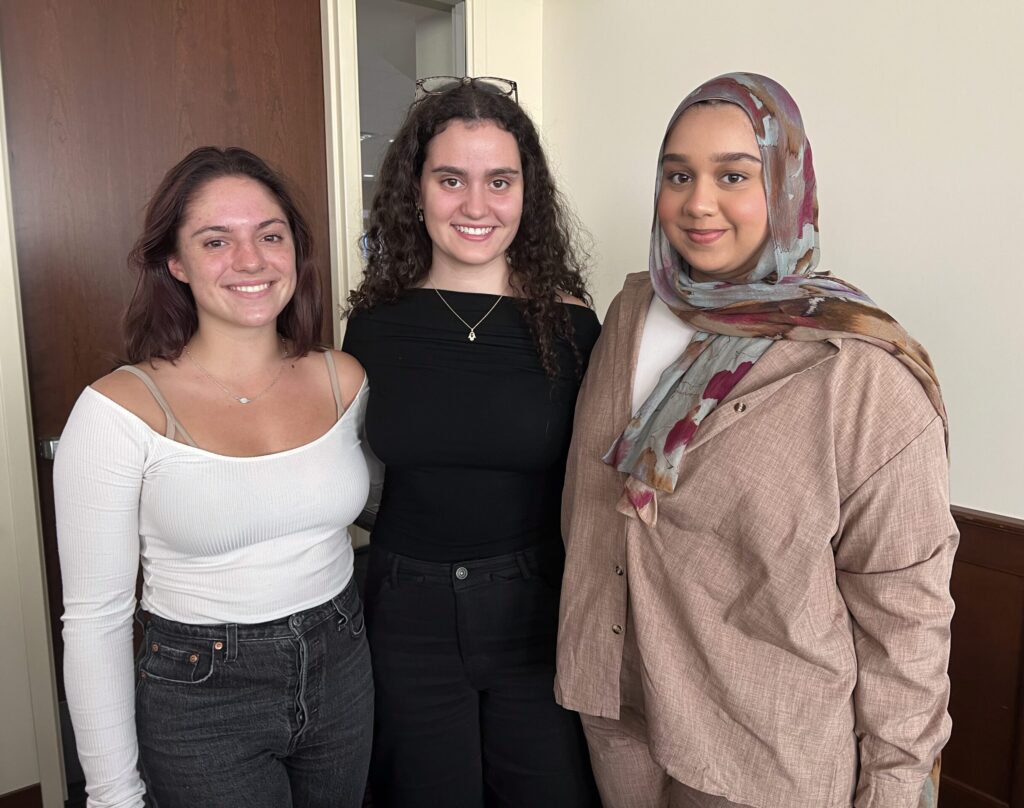
We have university-wide purpose initiatives through the Office for Mission. We help facilitate conversations about vocation. We give students opportunities to develop their own self-awareness and understanding of their narrative. Our six-word memoir project, through which students engage in a self-reflection and writing exercise that ultimately culminates in a literal six-word memoir, is a powerful example.
Q: St. Thomas emphasizes hands-on learning from internships and research to community-based experiences. Why are these distinctive student experiences important?
Any opportunity that requires them to get outside their own heads and into meeting the needs presented by the person in front of them have potentially life-changing impacts on the students. I think one of the realizations that young people experience is how beneficial those opportunities are to them.
In addition to advancing knowledge, it’s building the confidence of the students as they come to a better understanding of what they're capable of.
Even internships at for-profit businesses, when you are immersed in client service and have to adapt someone else’s lens on the world to better serve their needs is transformative. All these experiences help our students become more other-centered.
Q: Entrepreneurial thinking is part of the DNA of St. Thomas. In your mind, what distinguishes our approach from other universities?
It starts with our founder, Archbishop Ireland. He was very much an entrepreneur. He was investing in properties and new ideas and trying to forecast the future of where growth would be in Minnesota. He had that entrepreneurial mindset.
I think St. Thomas leaders back from the beginning have not been afraid to try new ideas, to innovate and to leverage our expertise and resources and traditions in order to meet the evolving needs of the world.
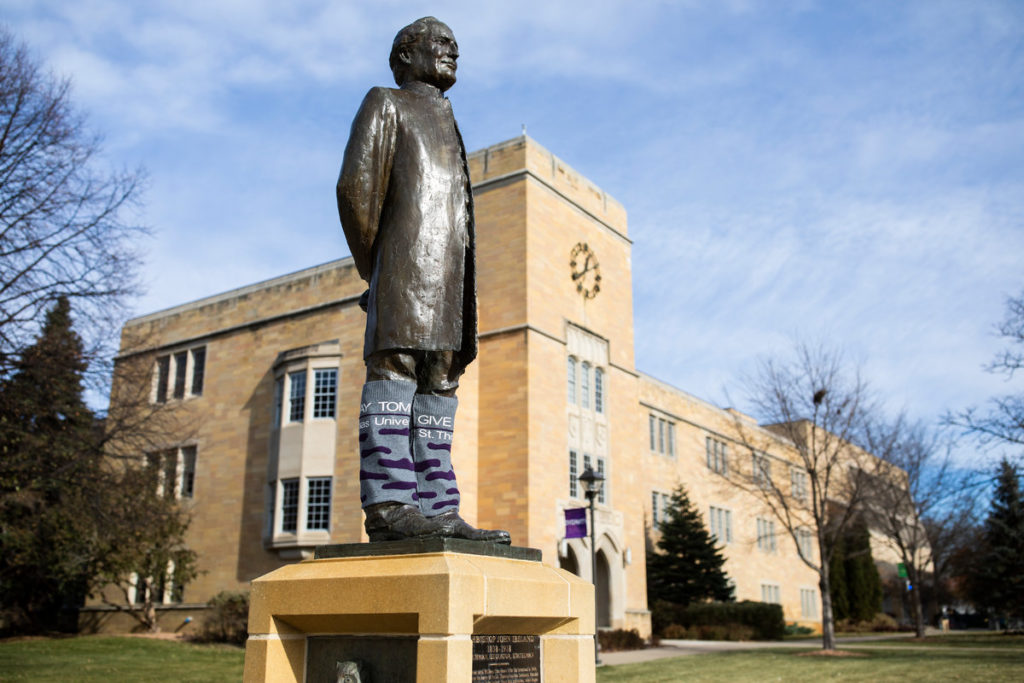
What distinguishes our approach is that entrepreneurial thinking isn’t confined to a single school or discipline. It’s a way of approaching problems, opportunities, and change across the university. We want students to develop the confidence to ask hard questions, test ideas, and adapt thoughtfully. That mindset prepares them not just to launch ventures, but to lead and innovate wherever their careers take them.
Q: How does the university’s move to Division I athletics enhance its mission?
It’s about culture. You have to make sure the mission is driving the athletics culture and that we don’t get unduly sidetracked by some of the transactional changes that are out there. When we build those cultures, the Division I platform allows us to enhance the student experience, strengthen engagement of alumni across the country, and grow our visibility beyond our usual reach.

Q: St. Thomas recently refreshed its brand. How does “All For” fit the St. Thomas mission?
With the brand refresh, as it relates to our mission, we are conveying to students that ‘You are invited to bring your whole self into the community at St. Thomas. We want to know what are you all for? What are your passions? Where are your commitments and how can we help equip and empower you to follow through on them? How do we come alongside you in supporting you and supporting what you are all for and bringing it into your development and preparation for lifelong flourishing?’
Q: And, what are you “all for?”
I’m all for helping every student who sets foot on our campus bring their deepest hopes and highest aspirations into the reality of their personal and professional lives.