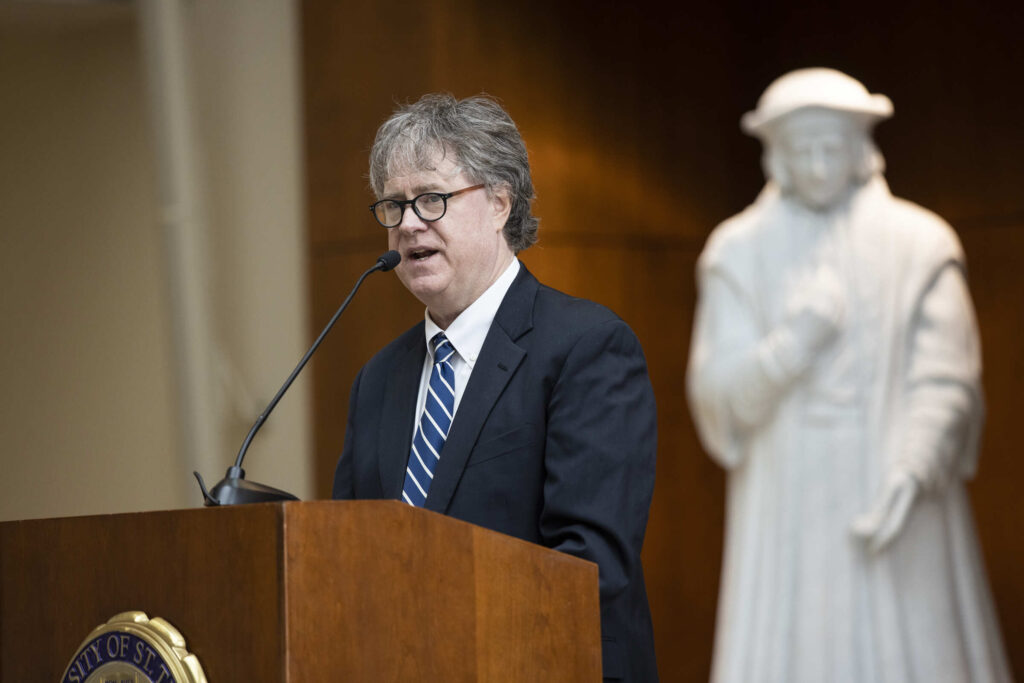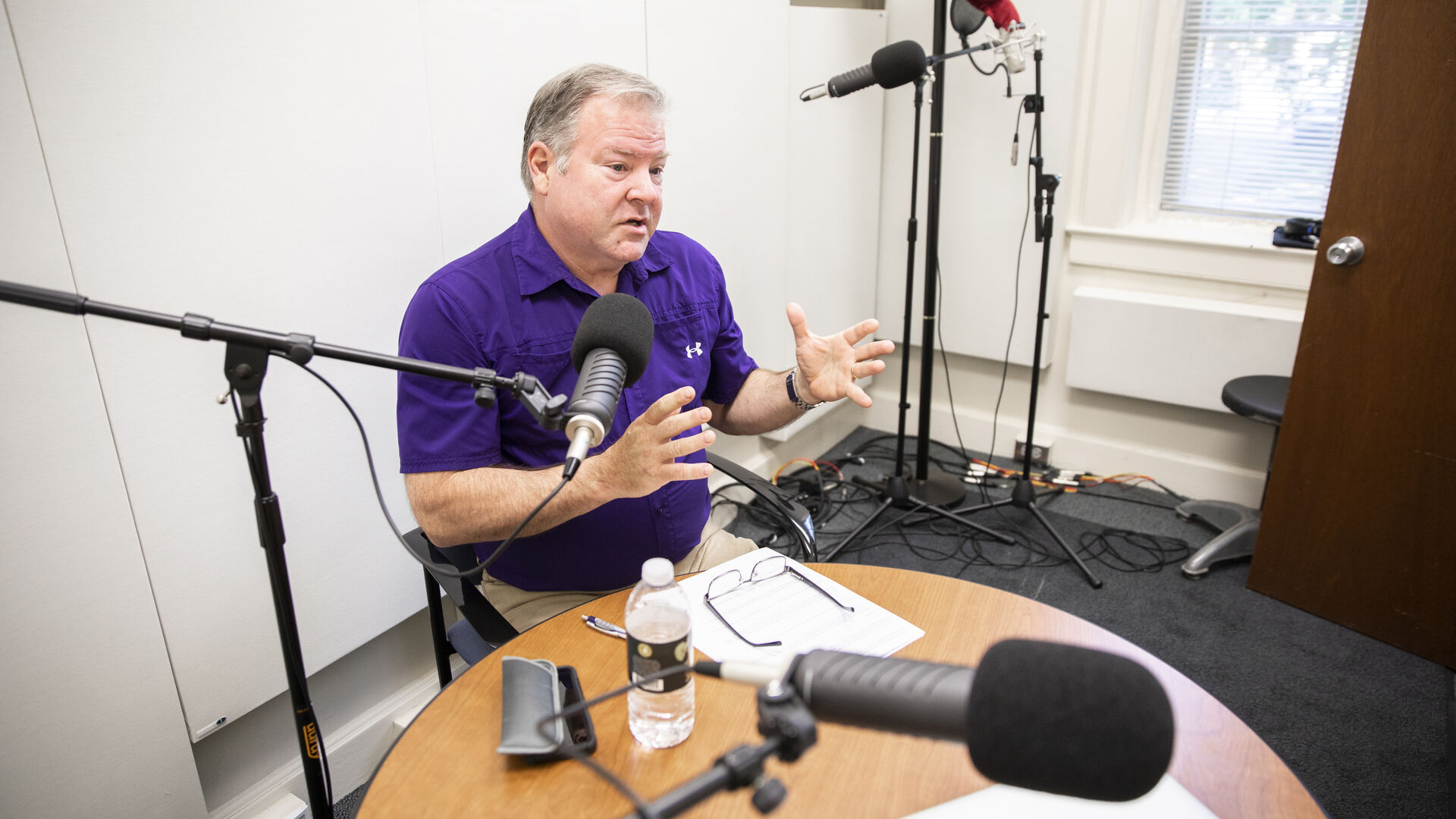
Mike Porter, professor of marketing at the University of St. Thomas Opus College of Business, joined KCBS Radio to discuss the challenges and reinvention of American shopping malls. Porter explained that while e-commerce has significantly reshaped consumer habits, malls that focus on experience, community integration and mixed-use development are more likely to thrive. From residential spaces and fitness centers to restaurants and medical services, he noted that successful malls are redefining their purpose beyond traditional retail to remain relevant in a digital age.

From the conversation:
Steve Scott: Historically, what has shaped mall success? Has it centered around a popular anchor store and then other satellite stores that feed off people coming to the anchor store? Or is it the other way around, a variety of different things and the anchor store sees an opportunity to take advantage of that customer base?
Porter: Historically, I think you’re right. I’m coming to you from Minnesota, which is home to the first enclosed mall in the United States, Southdale in Edina. Through the ’60s, ’70s, ’80s, and even into the ’90s, the anchors were the magnet that pulled together the combination of smaller stores and made it a destination within regions of a metro area.
That evolved in the decades that followed into malls like the Mall of America, which include an amusement park and attractions like Sea Life and mini golf and all those other kinds of things. It’s not just a trip to buy things. It becomes a half-day or full-day experience. In that case, it’s a destination for people to come from all over the world. But you can’t sustain solely on tourism. You have to connect with the local area and the people who are buying on a regular basis.
Scott: I wonder if age plays into this. There are generations of Americans who remember growing up hanging out at the mall. Maybe you went to the arcade or the movie theater or just hung out with friends. Now that generation goes to the mall to get their steps in when it rains. What about kids today? Is it different?
Porter: I think it is different. I don’t know that they hang out at the mall the way previous generations did. I have kids in that age group, and they’re hanging out at someone’s house, or they’re sitting next to each other texting across the room. That’s not conducive to the mall experience.
What we see here is that people go out for an expedition. They’re going to get food and shop at their favorite stores. I don’t think they’re necessarily going to mid-sized strip malls to hang out like in the ’80s and ’90s. They’re going to specific food vendors or higher-end brands they find concentrated in certain malls. Or they’re going to outlet malls, where the purpose is to shop for deals on fashion items they might see online but believe they can get at a better price in person. The purpose for going is different.
Scott: Every time we do a story about a mall closing, it always says e-commerce is to blame. People are buying online. Malls are no longer needed. Is that entirely accurate? Did e-commerce kill the American shopping mall?
Porter: It’s certainly a significant contributing factor. But digital life has changed American culture more broadly. The way people engage with each other has changed. That affects how they use public spaces and their purpose for going to those spaces. It’s sort of a double impact. The shift to online shopping is one factor, and the shift in social interaction is another.