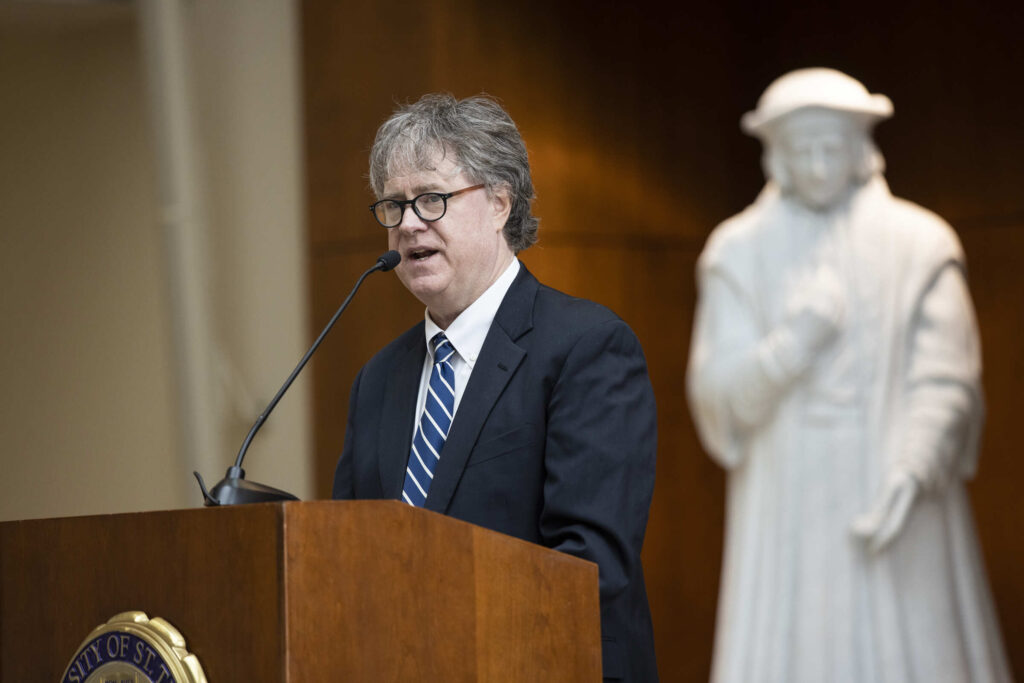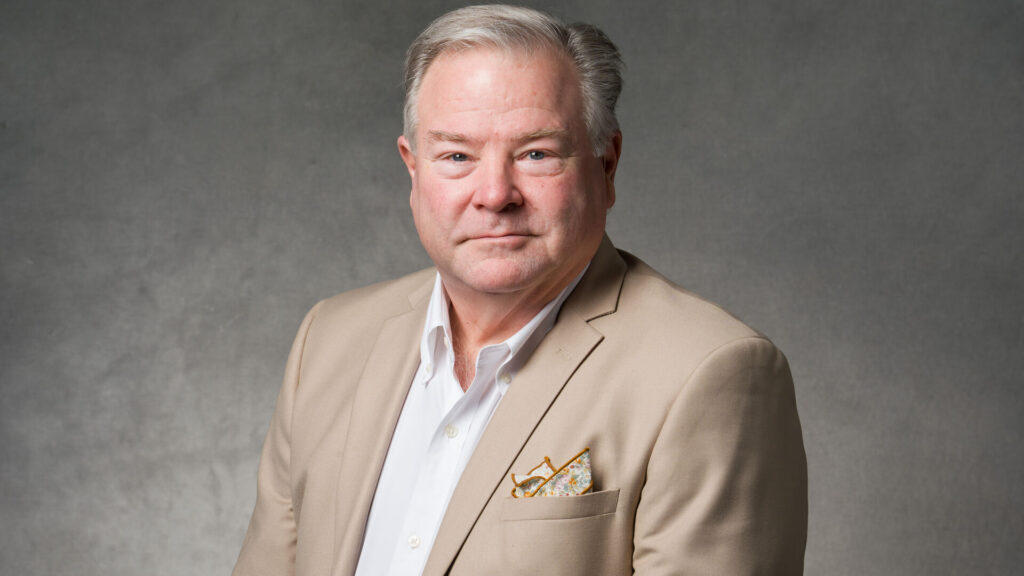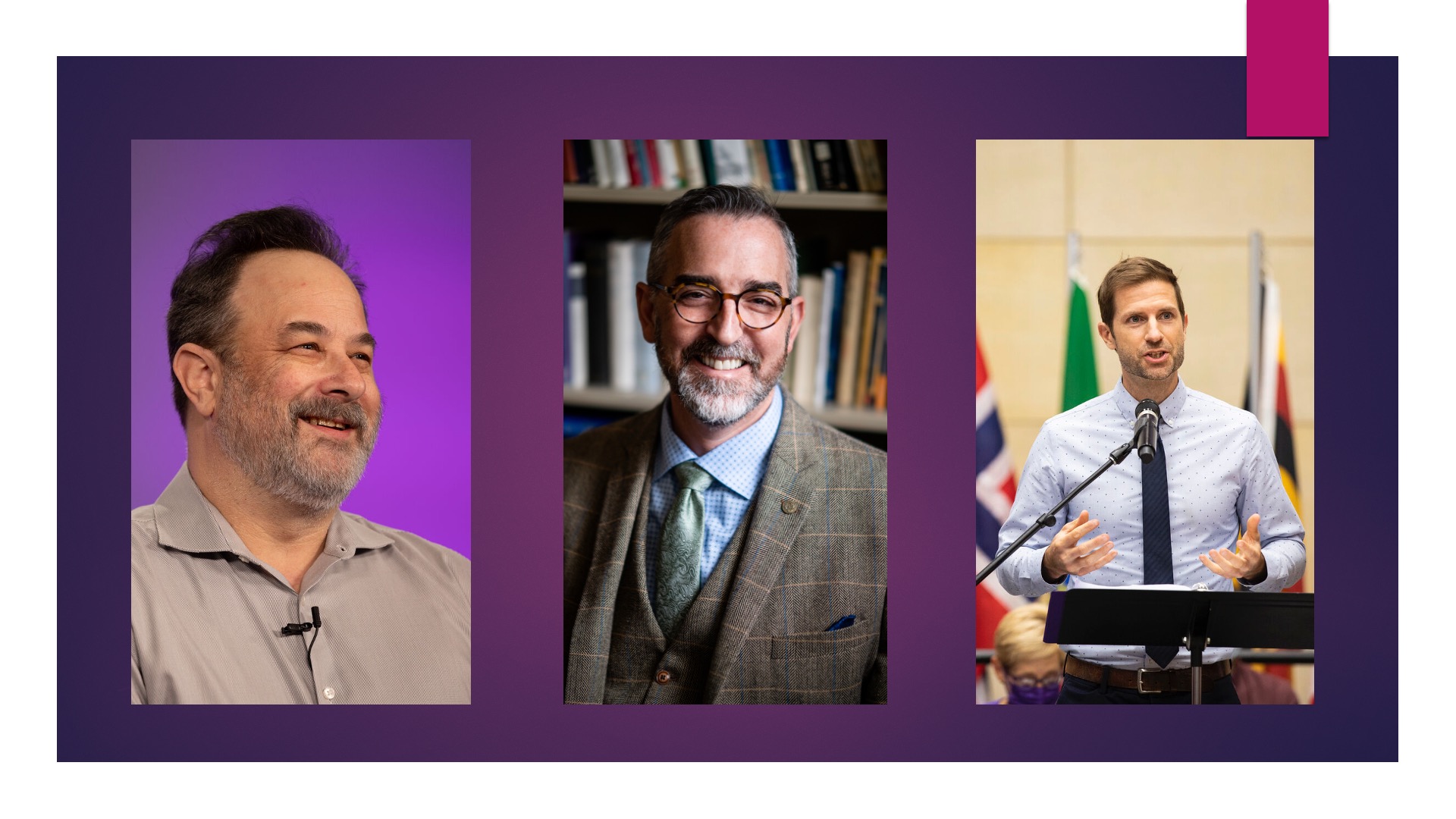
Mark DelCogliano, chair of the Department of Theology at the University of St. Thomas, along with Rabbi Ryan Dulkin, director of the university’s Encountering Judaism Initiative, and Hans Gustafson, director of the Jay Phillips Center for Interreligious Studies, co-wrote an op-ed for Minnesota Star Tribune reflecting on the 60th anniversary of Nostra Aetate, the Vatican II declaration that transformed Catholic-Jewish relations. The piece highlights the enduring call for dialogue, understanding and shared moral purpose between faiths.

From the article:
In October 1945, leading Minneapolis rabbis issued a public appeal to “the Christian conscience,” mourning that millions of Jews had perished “because of indifference.” Two decades later, the Catholic Church responded in a remarkable way – with the 1965 promulgation of Nostra Aetate, the Second Vatican Council’s “Declaration on the Relation of the Church to Non-Christian Religions.”
The document marked a turning point. For the first time, the church explicitly condemned antisemitism, rejected the false charge that Jews were collectively responsible for Jesus’s death, affirmed the enduring covenant between God and the Jewish people, and called for friendship and dialogue among all faiths. Nostra Aetate opened a new era in which Jews and Catholics could meet not as adversaries in theology but as partners in seeking human dignity and divine truth.
At the time, Jewish leaders greeted the declaration with both hope and caution. The local Jewish newspaper hailed it as “a great blast of fresh air,” while Joachim Prinz, president of the American Jewish Congress and a refugee from Nazi Germany, warned that its meaning would be proven only “by the manner in which Catholic parishes carry it out.” Sixty years later, both perspectives remain valid.
Nostra Aetate invited the church to self-examination and renewal. Pope John Paul II became the first pope to visit a synagogue, recognize the state of Israel and pray at the Western Wall. Pope Benedict XVI reaffirmed that Jews bear no collective guilt for the crucifixion. Pope Francis, who called the declaration “a genuine gift of God,” urged the faithful to build a culture of encounter — “a culture of friendship, a culture in which we find brothers and sisters, in which we can speak with those who think differently, as well as those who hold other beliefs.”
Yet six decades later, Nostra Aetate remains both milestone and mirror. ...