Alum Mesum Haider ’19 AA, ’22 wasn’t searching for Dougherty Family College. But once he heard about it, he knew it was the right college for him.
“At Dougherty, it wasn’t about being tolerated,” he said. “It was about being embraced.”
Before arriving on campus, Haider had spent his K-12 years feeling out of place in the classroom. “Living my whole life in environments that were predominantly white is not where I felt comfortable,” he said.
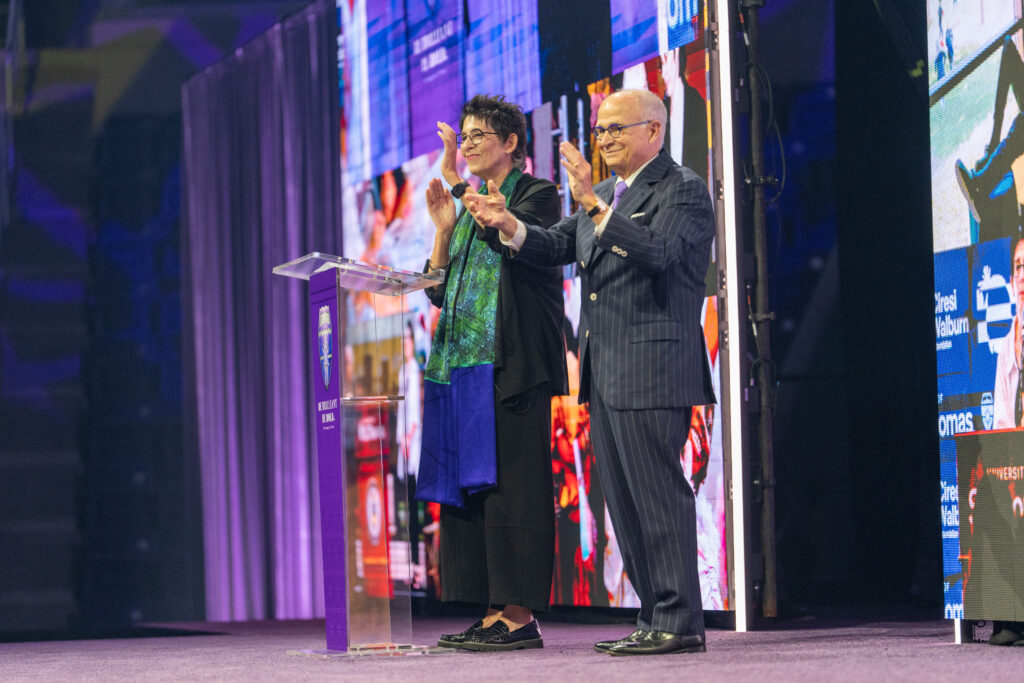
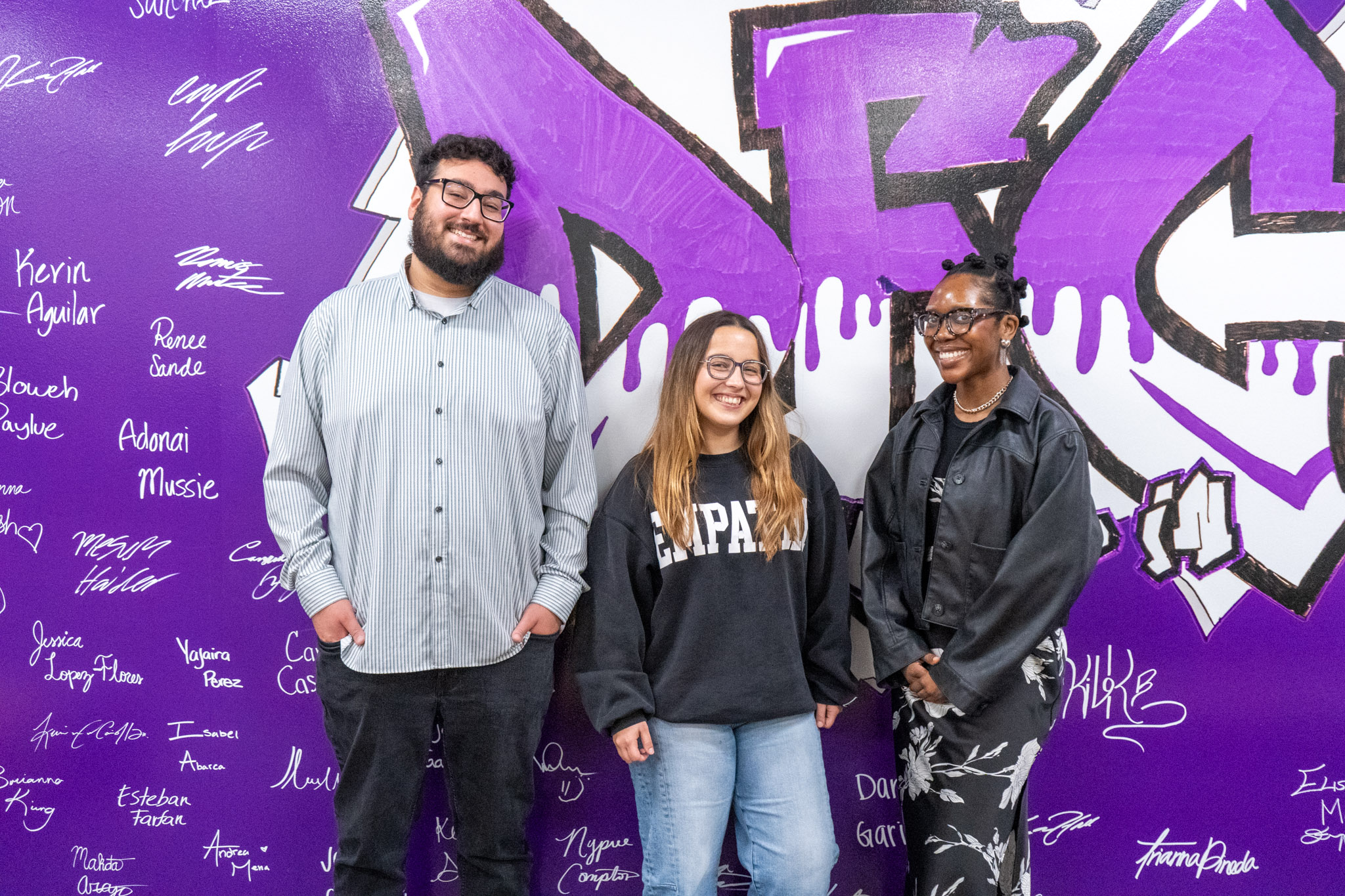
Haider, along with Hajaratu Jaafaru and Renee Sande – other fellow graduates of the inaugural class – returned this year to the Dougherty Family College Minneapolis campus to share their experiences at the Come to Believe Summit. The summit is an annual national gathering of similar two-year colleges embedded within larger universities.
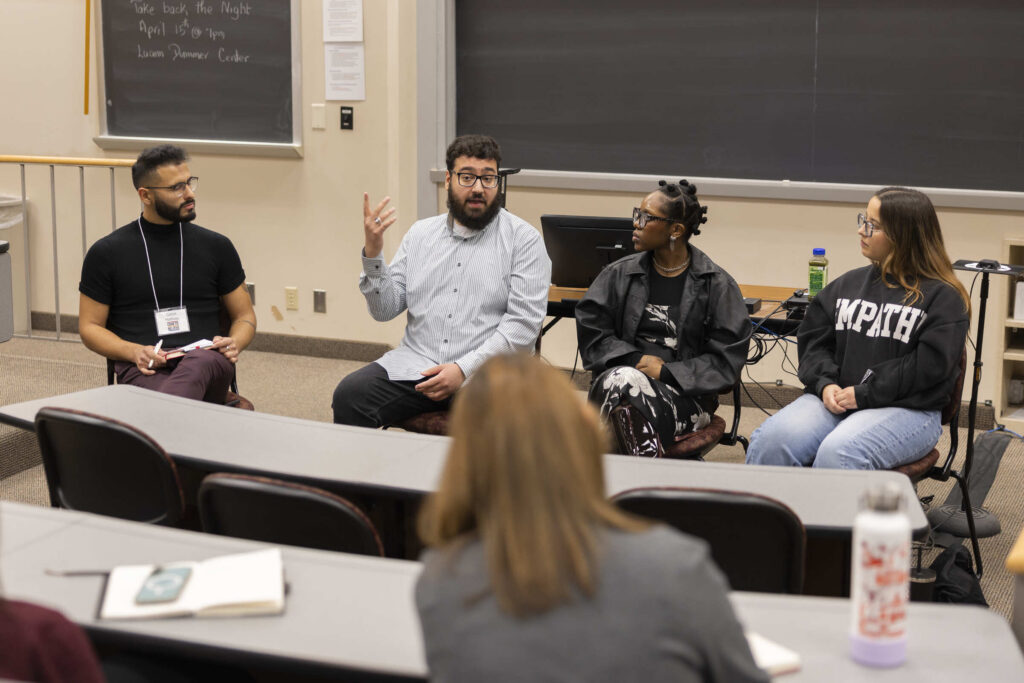
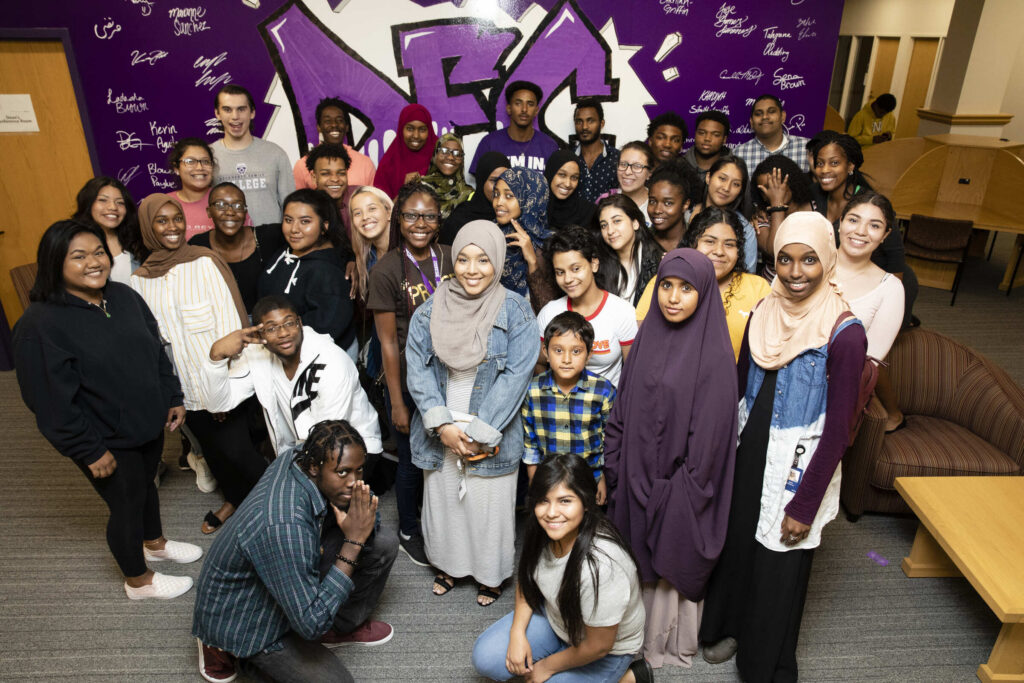
The Dougherty Family College, whose student body comprises more than 95 percent Black, Asian Indigenous, or Hispanic young adults, offered something different for attending scholars. In the cohort-model setting, they found the confidence to engage more fully and develop a sense of belonging that had been missing for some in high school.
“Dougherty is where I felt I could be myself,” said Haider, who now is an implementation consultant at data solutions company SPS Commerce.
Haider first learned about the Dougherty Family College, an associate degree program at the University of St. Thomas, in early 2017 when, by chance, he walked past a classroom in his suburban high school as someone was talking about a new college launching. It was just a candid conversation about the program’s mission, but something about it stayed with him.
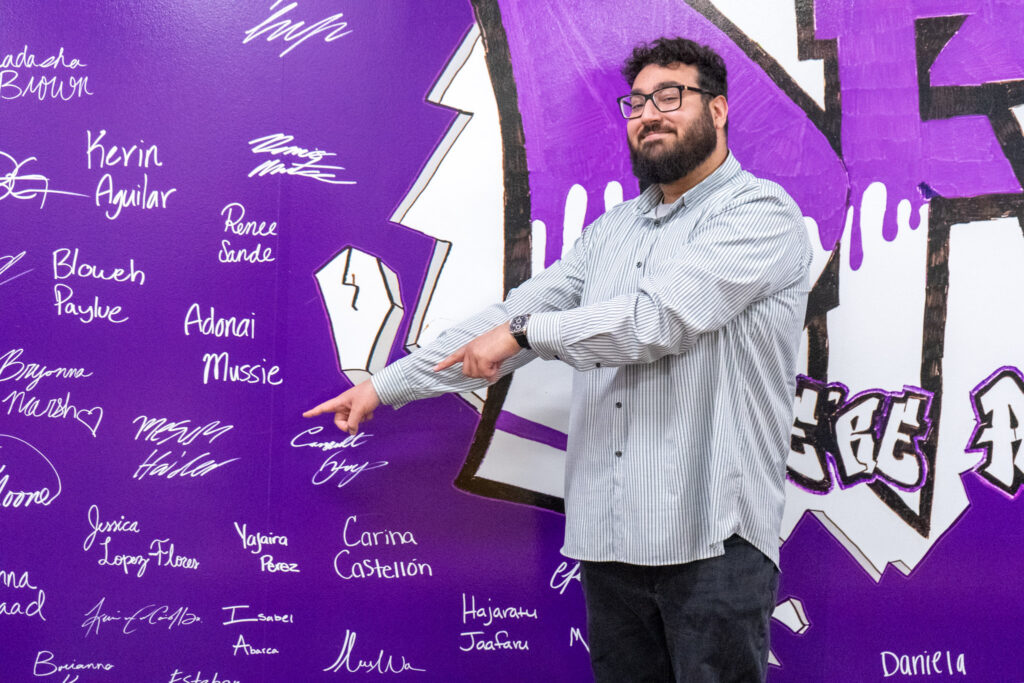
“It gave me hope beyond hope,” said Haider, who was part of the inaugural DFC class. He graduated with an associate degree in 2019 and continued on to the university where he received his bachelor’s degree in business administration in 2022. He took on leadership roles along the way, including serving as student body president at the university, and previously at DFC.
Haider told attendees at the summit that DFC “prepared me to think, not just what to think. That’s what stayed with me.” He added: “Students don’t just need access to college, they need an environment that shows them they belong and challenges them to see what they’re capable of.”

Dougherty Family College was founded 9 years ago, opening its doors to the first students in 2017 with a mission to expand access to higher education for first-generation college students, students of color and those with high financial need. The model combines small cohorts, intensive mentoring and a clear pathway to a bachelor’s degree.
“That structure is intentional,” said Dean Buffy Smith. “Our curriculum is the same. Our pedagogy is different. We lean into culturally sustaining pedagogy to make sure we honor and incorporate the rich and diverse backgrounds of our scholars.”
At the center of that approach is something less easily measured, but critical to student success: Belonging.
“Building a community that’s focused on a sense of belonging is critical,” Smith said. “That’s why we designed our academic model to create strong support systems, provide accountability, and do it in a loving, supportive, caring manner.”
The results are beginning to show. Since its first graduating class in 2019, nearly 500 Dougherty students have completed their associate degrees at rates that outpace statewide averages for two-year institutions, while many continue to bachelor’s, master’s and even doctoral programs.
Hajaratu Jaafaru ’19 is one of them. She learned about DFC from the AVID program in high school. She listened as someone described how the college is built around support, not just academically, but personally.
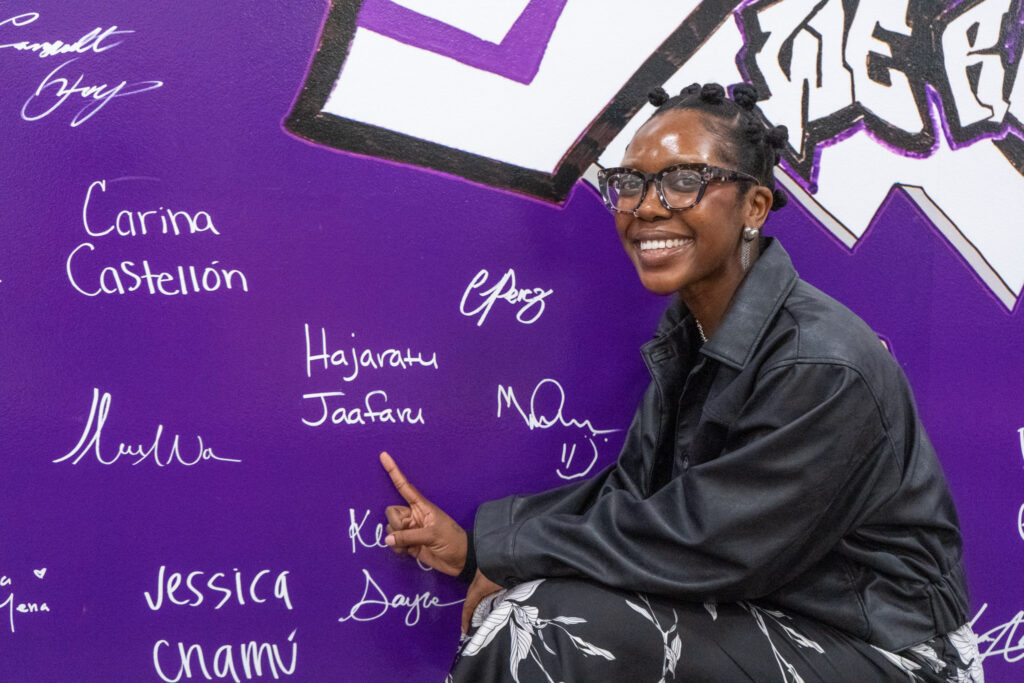
“I didn’t really know what I wanted to do,” she said. “But I knew I’d be around people who would support me.”
She said the cohort model created a structure that made it easier to keep going. Her classmates were her community and the professors made time to get to know them as individuals.
“I started to figure out what I liked,” she said.
After graduating, Jaafaru organized events centered on Black creatives, creating space for connection and expression in her community. She subsequently earned her degree in sociology from Augsburg University and now works in community-building.
When Renee Sande was in high school, she knew she needed something different than a large university. When she learned about Dougherty, the structure stood out: small classes, close connections, a chance to be known.
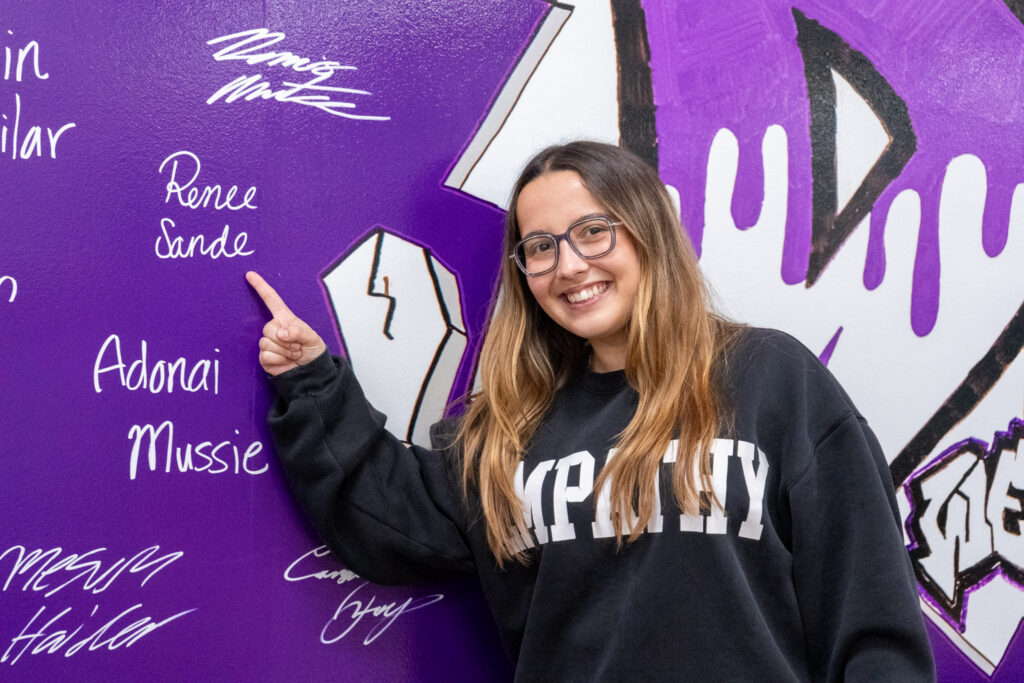
“The small classes — that’s what drew me in,” Sande said. “I needed something where I wouldn’t feel lost.”
As a result, “for the first time, I felt like I was actually capable,” she said.
After completing her associate degree, Sande continued on at St. Thomas, earning her bachelor’s degree in psychology. She also leaned on the relationships she built at Dougherty. Those connections have remained part of her life.
“They still check in on me,” she said. “That didn’t end when I graduated.”