Resilience took many forms at this year’s Whole Person Health Summit at the University of St. Thomas, from rebuilding trust in public health systems to strengthening communities shaped by generations of trauma and change.
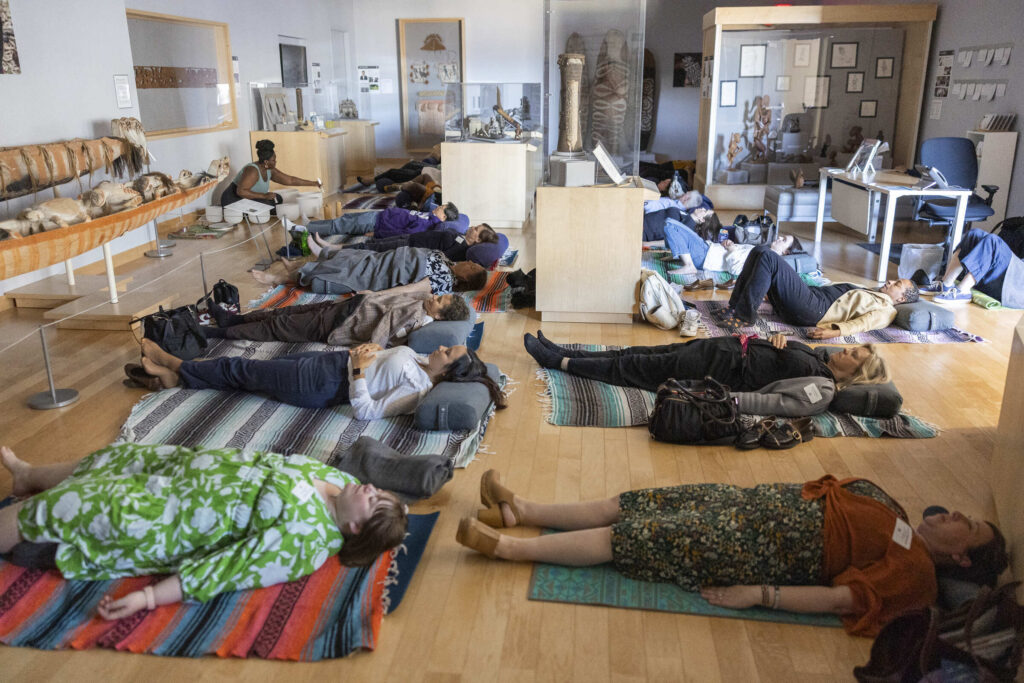
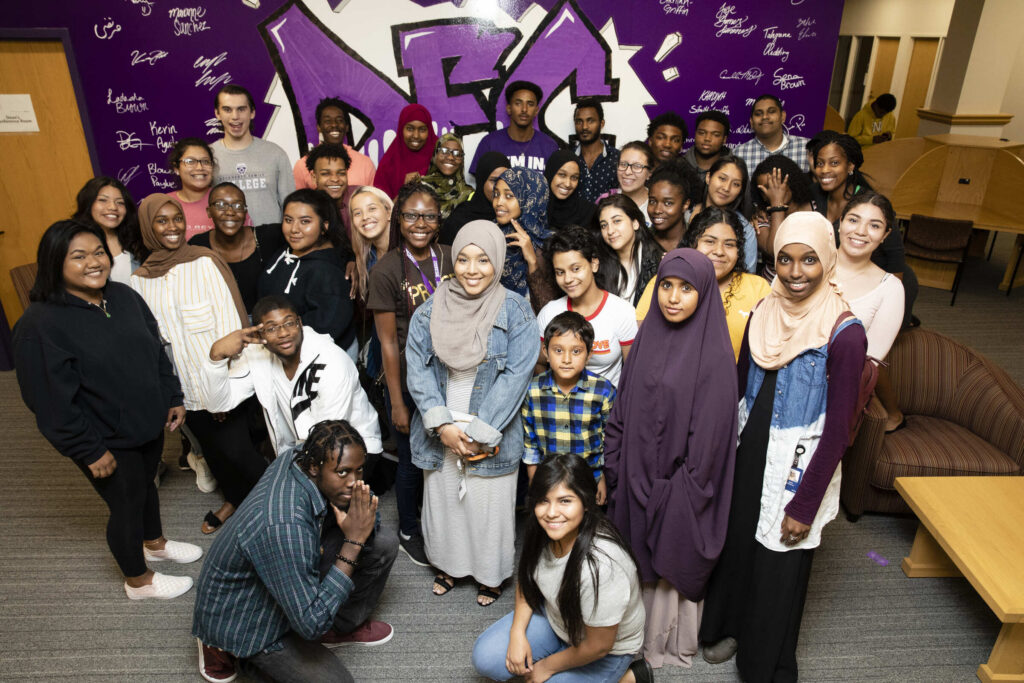
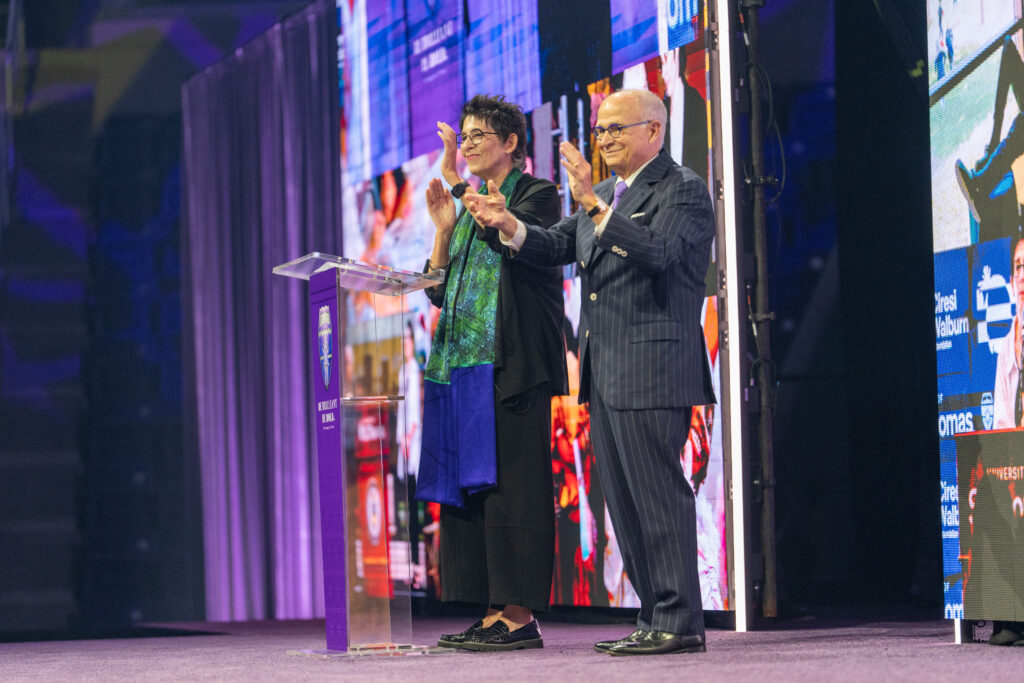
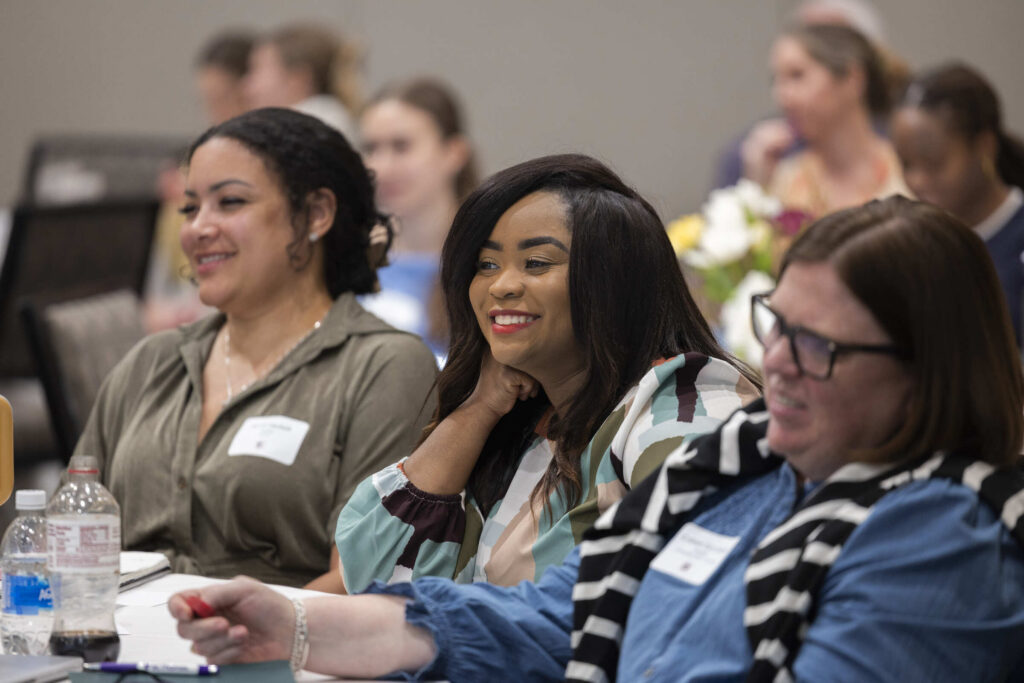
The fourth annual summit, hosted April 16 by the Morrison Family College of Health, brought together more than 200 healthcare professionals, nonprofit leaders, students, faculty and community advocates around the theme “Resilience Rooted in Strength.” Sessions throughout the day explored how resilience is sustained not only in individuals, but across healthcare systems, workplaces and communities.
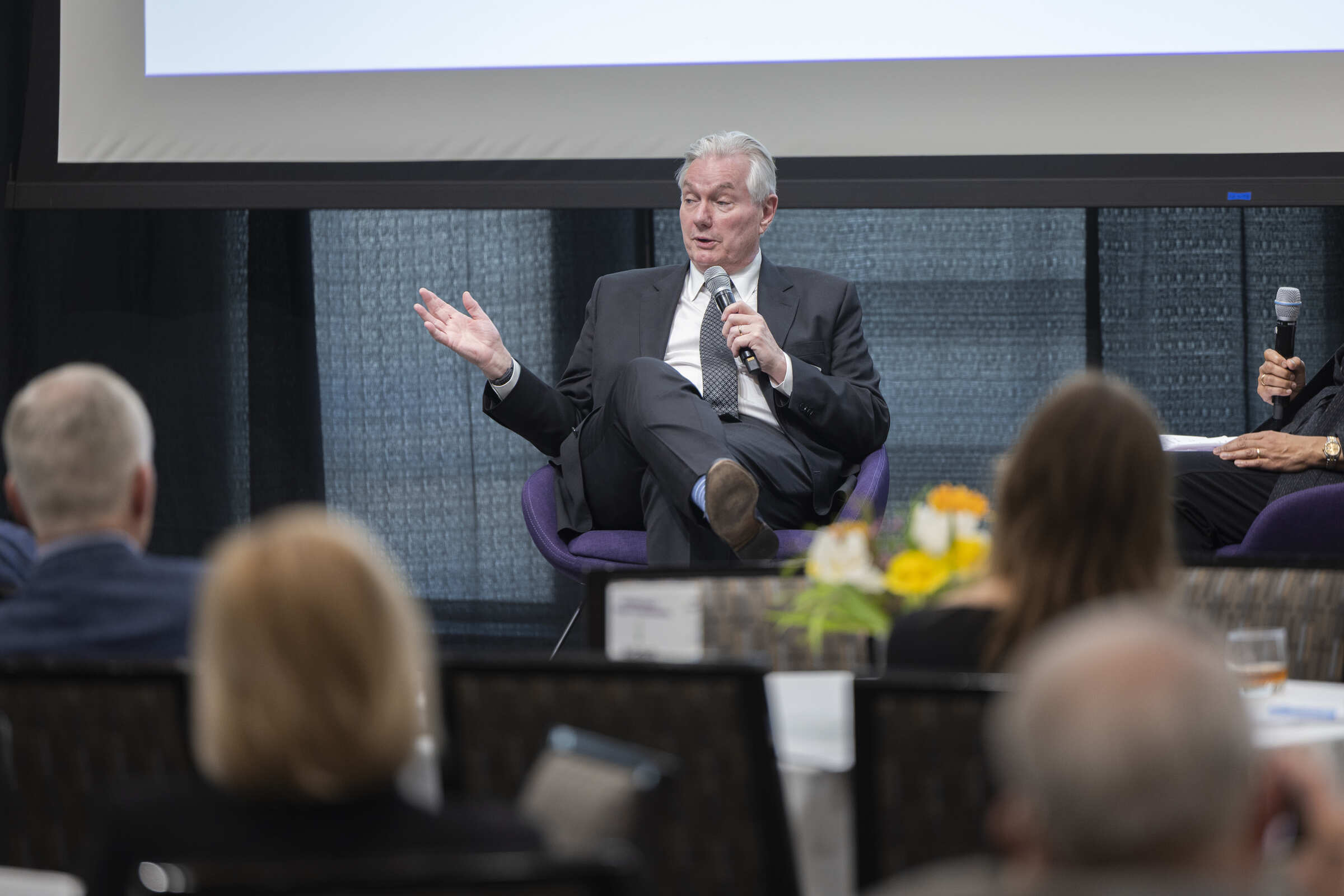
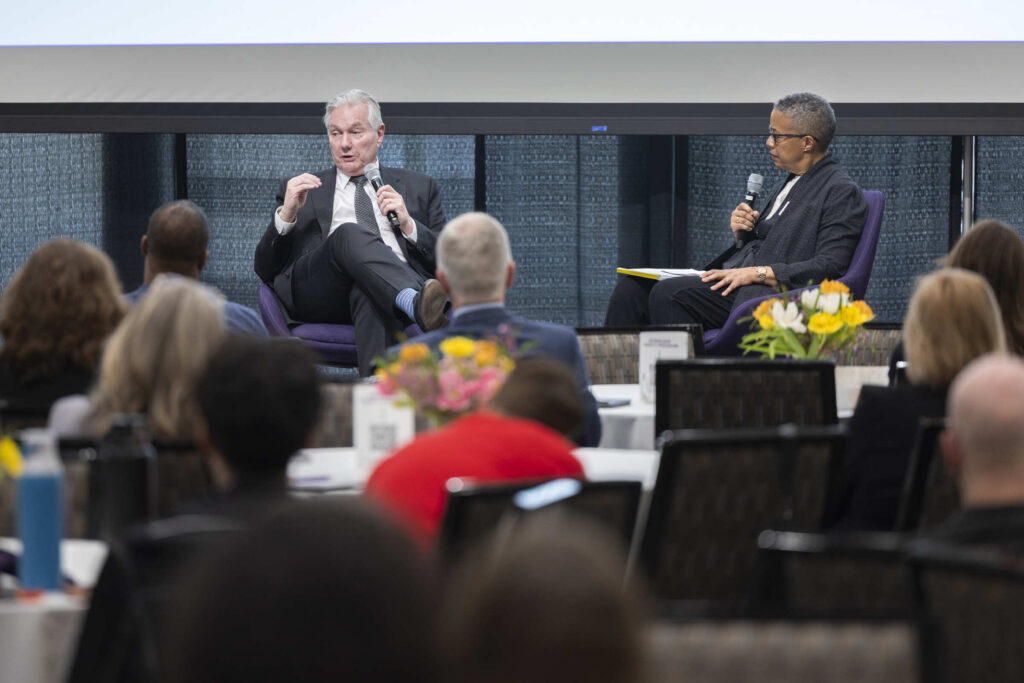
One of the summit’s featured speakers was epidemiologist Michael Osterholm, who earlier this year was named to TIME’s 2026 TIME 100 Health list, recognizing the world’s most influential leaders in health. Osterholm discussed his work with the Vaccine Integrity Project and the challenge of rebuilding public trust in science and healthcare systems during moments of uncertainty.
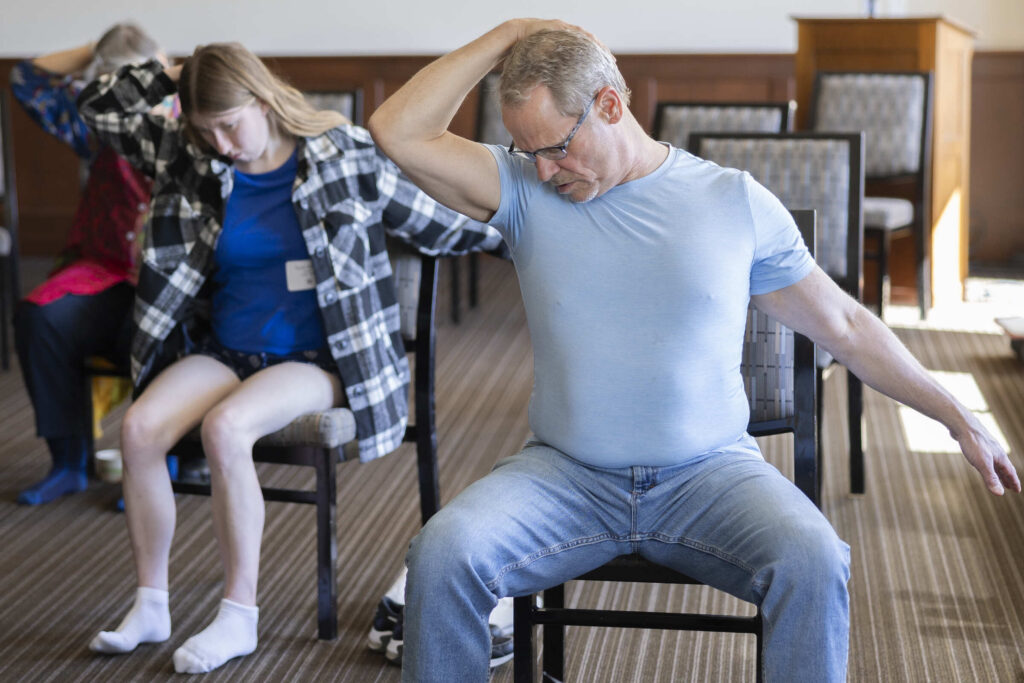
Psychiatrist and author Henry Emmons also explored the science behind resilience, while other sessions focused on food justice, stress, movement, breathwork and restorative approaches to well-being.
“I see whole person health as more than a model of care,” said Melanie Ferris, director of Health Equity and Strategic Partnerships at the Morrison Family College of Health. “It is reflected in how we care for ourselves and how we nurture well-being within our communities.”
That broader vision came into focus during one of the summit’s powerful conversations, when leaders connected to St. Paul’s historic Rondo neighborhood described resilience not as an abstract idea, but as something shaped by lived experience.
“When you drive on 94, you’re driving through somebody’s living room,” said Jonathan Palmer, executive director of the Rondo Center of Diverse Expressions, referring to the interstate project that cut through the heart of the neighborhood in the 1960s.
Panelists spoke about homes and businesses lost to the freeway project, the generational wealth that disappeared with them, and the emotional toll that still lingers decades later. But they also spoke about what endured: community ties, cultural memory and the determination to rebuild.
“This wasn’t an accident,” St. Paul City Council Member Cheniqua Johnson said of the highway’s construction through the neighborhood. “It was an intentional dismantlement of communities.
That balance between trauma and healing echoed throughout the summit, which also included opportunities for reflection and self-care through sound baths, listening sessions, forest bathing meditations and workshops centered on breath, movement and sound.
“These opportunities are why the Summit brings health professionals and community leaders together,” Ferris said. “We intentionally create space for attendees to learn, connect, reflect, and prioritize their own wellbeing.”
This year’s event was made possible through the support of sponsors, including Blue Cross and Blue Shield of Minnesota, The George Family Foundation, Delta Dental, the Lorenz Clinic, and YMCA of the North.
The fifth annual Whole Person Health Summit will take place on April 27, 2027.